
Business
UK Government Explores Oil and Gas Tiebacks Amid Exploration Ban

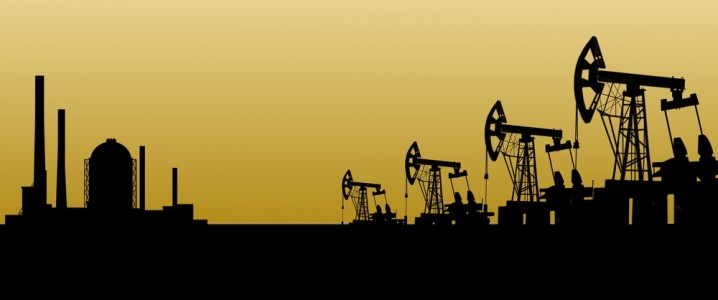
The UK government is considering allowing oil and gas operators to explore tiebacks to existing production fields in the North Sea, despite its commitment not to issue new exploration licenses. This strategic shift was highlighted by a senior member of the ruling Labour Party during an interview with the Financial Times. The official stated, “Even if it is only a marginal increase [in production], why wouldn’t we give it to them?”
Earlier this year, the UK initiated a consultation focused on the future of the North Sea industry, which emphasized the Labour commitment to refrain from granting new licenses for oil and gas exploration. The discussion also aims to engage industry stakeholders on managing existing fields. These fields are expected to play a significant role in the energy transition towards cleaner solutions throughout their operational lifespan.
The offshore industry argues that increased exploration and investment could help reduce reliance on imported oil and gas, thereby bolstering the domestic supply chain. This could also assist in transitioning to renewable energy sources, such as offshore wind. In June, OEUK, the leading body for the offshore energy sector, reported that an independent study conducted by Westwood Global Energy Group indicated over 7.3 billion barrels of oil and gas are accessible via existing infrastructure, making them suitable candidates for tieback development.
Strategic Importance of Tiebacks
The proximity of these resources to established oil and gas hubs is critical. Developing tiebacks can significantly reduce costs, lower emissions, and extend the operational life of existing infrastructure. However, many of these hubs are nearing their operational end, and without timely investments, the opportunity to develop these resources could be lost.
According to the study by Westwood Global Energy Group, “The geology has not changed – just the mindset.” This statement reflects the concern that despite political narratives suggesting a decline in UK production, untapped potential remains beneath the surface. What is needed, according to the analysts, is a fresh perspective on the country’s energy resources.
The potential for tieback exploration offers a dual benefit: it could enhance domestic production while supporting the UK’s transition to cleaner energy sources. The government’s next steps regarding these developments will be closely monitored by industry stakeholders, as they seek to navigate the challenges of meeting both energy demands and environmental commitments.
As the UK government balances its commitments with the pressing need for energy security, the focus on tiebacks may represent a pragmatic approach to managing existing resources while paving the way for future energy solutions.













Urgent: University of King’s College Faces $1.8M Deficit Crisis

Flex Secures $60 Million to Transform Finance for Mid-Sized Businesses

Corona Launches New Yule Log Video to Celebrate 35 Years of O’Tannenpalm

Local Cartoonist Captures Current Events with Humor

Scientists Reveal Brain’s Five Eras and a New Dementia Vaccine

Former FDA Leaders Critique New Vaccine Safety Claims by Agency

Dolly Varden Silver Reports High-Grade Gold Intersections

Driverless Transit System Revolutionizes Urban Commuting

Ferry Crossings Cancelled as Severe Cold Hits Atlantic Canada

Secwepemc First Nation Seeks Aboriginal Title Over Kamloops Area

Scientists Unearth Ancient Antarctic Ice to Unlock Climate Secrets

Trump and McCormick to Announce $70 Billion Energy Investments

Four Astronauts Return to Earth After International Space Station Mission

TransLink Launches Food Truck Program to Boost Revenue in Vancouver

Apple Notes Enhances Functionality with Markdown Support in macOS 26

Manitoba’s Burger Champion Shines Again Amid Dining Innovations

Urgent Update: Fatal Crash on Highway 99 Claims Life of Pitt Meadows Man

Ukrainian Tennis Star Elina Svitolina Faces Death Threats Online
-
 Politics4 weeks ago
Secwepemc First Nation Seeks Aboriginal Title Over Kamloops Area
-
 World5 months ago
Scientists Unearth Ancient Antarctic Ice to Unlock Climate Secrets
-
 Entertainment5 months ago
Trump and McCormick to Announce $70 Billion Energy Investments
-
 Science5 months ago
Four Astronauts Return to Earth After International Space Station Mission
-
 Lifestyle5 months ago
TransLink Launches Food Truck Program to Boost Revenue in Vancouver
-
 Technology3 months ago
Apple Notes Enhances Functionality with Markdown Support in macOS 26
-
 Lifestyle3 months ago
Manitoba’s Burger Champion Shines Again Amid Dining Innovations
-
 Top Stories2 months ago
Urgent Update: Fatal Crash on Highway 99 Claims Life of Pitt Meadows Man
-
 Politics4 months ago
Ukrainian Tennis Star Elina Svitolina Faces Death Threats Online
-

 Sports5 months ago
Search Underway for Missing Hunter Amid Hokkaido Bear Emergency
-
 Politics5 months ago
Carney Engages First Nations Leaders at Development Law Summit
-

 Technology5 months ago
Frosthaven Launches Early Access on July 31, 2025