
World
Air Canada Strike Costs Airline $270 Million, Disrupts Thousands

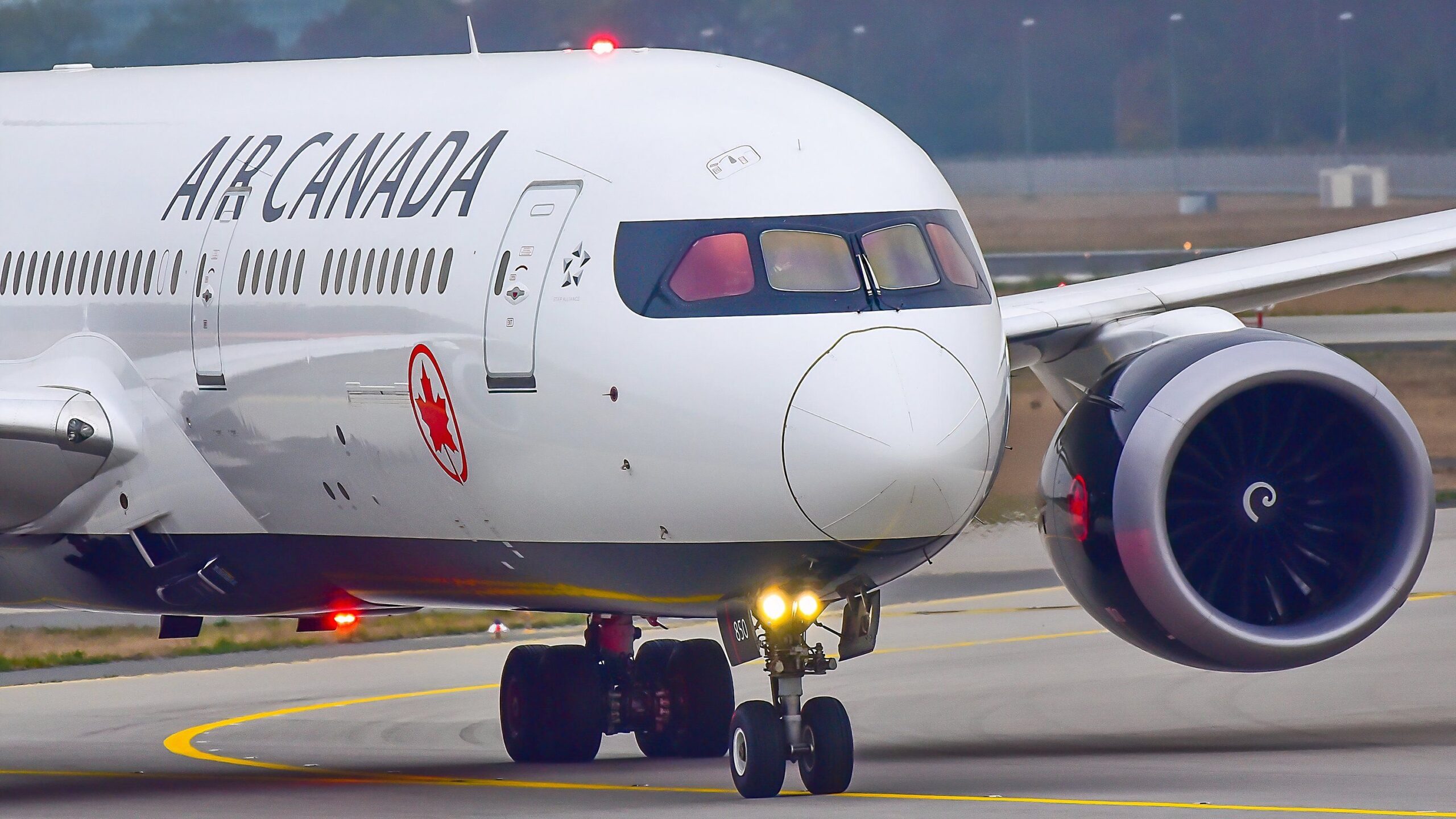
Air Canada is facing significant financial repercussions following a flight attendant strike that began on August 16, 2023. The Canadian flag carrier has estimated that the disruption resulted in the cancellation of more than 3,200 flights and incurred losses of approximately $270 million (CAD $375 million). The airline’s forecast for the financial year has been adjusted downward, with anticipated earnings now projected at up to $2.23 billion (CAD $3.1 billion), according to the Financial Post.
Based in Montreal, Air Canada operates from three primary hubs: Montréal–Trudeau International Airport (YUL), Vancouver International Airport (YVR), and Toronto Pearson International Airport (YYZ). The strike involved over 100,000 flight attendants who ceased work in protest of ongoing pay disputes. The disruption had widespread implications, impacting travelers both domestically and internationally.
Customer refunds and compensation claims are expected to exacerbate the airline’s financial strain. Following the strike, it has been estimated that Air Canada might owe over $47 million (CAD $66 million) to passengers affected by the cancellations and delays. This figure includes compensation for more than 54,000 travelers stranded in Europe and an additional 15,000 in the United Kingdom.
According to analysis by Airfairness, which examined the financial impact of such labor disruptions, these costs could escalate further given Canadian laws governing passenger rights. Air Canada passengers who experienced cancellations or delays exceeding three hours are eligible for travel change options or refunds. If the disruption was within the airline’s control and occurred without adequate notice, passengers may claim up to $720 (CAD $1,000) for significant delays.
Union Response and Ongoing Negotiations
The Canadian Union of Public Employees (CUPE) led the strike, marking a significant moment as it became the first union to resist a return-to-work order issued by the Federal Government. The conflict between the airline and the union has reached arbitration, following a failed vote by union members to accept a settlement proposed by Air Canada.
Zohair Khan, co-founder and chief operating officer at Airfairness, highlighted the global implications of the strike. “I don’t think people realize the number of travelers in the air at any given day of the year – three days and over half a million people impacted around the world,” he stated in an interview with the Globe and Mail.
Despite the disruptions, the airline has managed to mitigate some costs through lower pre-purchased jet fuel prices. However, Air Canada is also facing a one-time charge of $125 million (CAD $175 million) related to pensions and other labor-related expenses.
Air Canada remains the largest airline in Canada, operating a fleet of over 200 Airbus and Boeing aircraft and with more than 100 additional planes on order. The airline has been recognized for its service quality, recently earning the title of 2025 North American Airline of the Year from Skytrax.
As the airline navigates the aftermath of the strike, the focus will remain on restoring operations and addressing the financial and reputational impacts of this labor dispute.








Discover Unique Gifts at Vancouver’s Strathcona Holiday Market

White House Responds to Sabrina Carpenter’s Criticism of ICE Video

Wegovy Negotiations Fail, Leaving Canadians Without Coverage Options

Chronic Pain and Employment: Navigating Disability Benefits

Canada Offers Free Admission and Discounts with Canada Strong Pass

Samsung Galaxy Buds 4 Leak Reveals Open-Ear Design Features

Canada Post Contract Talks Urgent as Businesses Seek Alternatives

Windsor Launches Urgent Summer Student Job Lottery—Apply Now!

Urgent Update: Disability Rights Under Scrutiny Amid MAID Expansion

Secwepemc First Nation Seeks Aboriginal Title Over Kamloops Area

Scientists Unearth Ancient Antarctic Ice to Unlock Climate Secrets

Trump and McCormick to Announce $70 Billion Energy Investments

Four Astronauts Return to Earth After International Space Station Mission

TransLink Launches Food Truck Program to Boost Revenue in Vancouver

Apple Notes Enhances Functionality with Markdown Support in macOS 26

Manitoba’s Burger Champion Shines Again Amid Dining Innovations

Urgent Update: Fatal Crash on Highway 99 Claims Life of Pitt Meadows Man

Ukrainian Tennis Star Elina Svitolina Faces Death Threats Online
-
 Politics4 weeks ago
Secwepemc First Nation Seeks Aboriginal Title Over Kamloops Area
-
 World5 months ago
Scientists Unearth Ancient Antarctic Ice to Unlock Climate Secrets
-
 Entertainment5 months ago
Trump and McCormick to Announce $70 Billion Energy Investments
-
 Science5 months ago
Four Astronauts Return to Earth After International Space Station Mission
-
 Lifestyle5 months ago
TransLink Launches Food Truck Program to Boost Revenue in Vancouver
-
 Technology3 months ago
Apple Notes Enhances Functionality with Markdown Support in macOS 26
-
 Lifestyle3 months ago
Manitoba’s Burger Champion Shines Again Amid Dining Innovations
-
 Top Stories2 months ago
Urgent Update: Fatal Crash on Highway 99 Claims Life of Pitt Meadows Man
-
 Politics4 months ago
Ukrainian Tennis Star Elina Svitolina Faces Death Threats Online
-

 Sports5 months ago
Search Underway for Missing Hunter Amid Hokkaido Bear Emergency
-
 Politics5 months ago
Carney Engages First Nations Leaders at Development Law Summit
-

 Technology5 months ago
Frosthaven Launches Early Access on July 31, 2025