
Politics
Halifax Shows Resilience Amid U.S. Tariffs, Study Finds

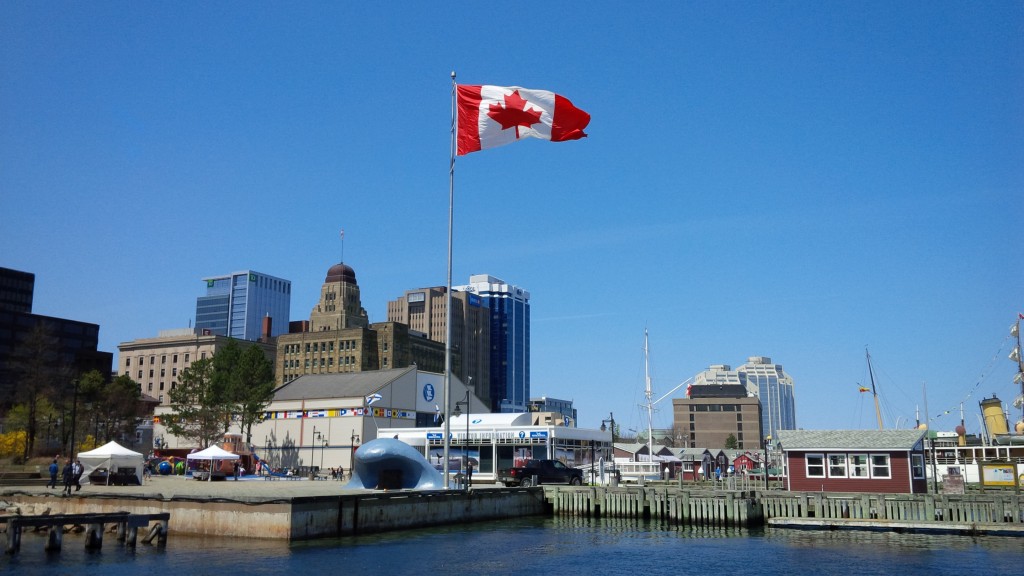
A recent report from the University of Toronto indicates that the Halifax Regional Municipality (HRM) is relatively insulated from the ongoing trade tensions between the United States and Canada. This study, conducted by researchers Karen Chapple and Tara Vinodrai, highlights the varying effects of U.S. tariffs on Canadian cities, providing a detailed analysis of how different regions are responding to changes in trade policy.
The analysis, designed as an interactive tool, evaluates the vulnerability of cities to tariffs imposed by the administration of former President Donald Trump. While it is evident that Halifax faces some impact from these tariffs, the extent appears limited compared to smaller Canadian communities. The researchers emphasize the complexity of measuring tariff effects, noting, “Assessing the effects of tariffs is not straightforward as the economic landscape is dynamic. Businesses may respond by seeking new markets or alternative suppliers—though this is easier for some sectors than others.”
Despite the challenges posed by the trade war, Halifax’s economy has shown resilience. The data suggests that while the percentage of businesses affected in HRM is significant, the number of impacted employees is comparatively lower. This contrasts sharply with smaller and mid-sized cities, particularly those reliant on natural resources or manufacturing, which are experiencing greater challenges.
On a broader scale, the report reveals that cities like Toronto and Montreal have higher absolute numbers of businesses affected by tariffs, but the overall impact is mitigated by their more diverse economic structures. In addition, a separate report focusing on Nova Scotia supports these findings, stating that the province’s mixed industry base has lessened the overall effects of U.S. tariffs.
As trade negotiations continue, Canadian Prime Minister Mark Carney is scheduled to return to Ottawa with no new agreements to lift U.S. tariffs on Canadian goods. Following a meeting in the Oval Office, President Trump praised Carney but offered no indication of a forthcoming deal. The ongoing discussions highlight the broader implications of these tariffs on Canadian businesses and consumers, emphasizing the need for strategic adjustments in the face of evolving economic conditions.
While Halifax remains somewhat shielded from the direct fallout of U.S. tariffs, the situation underscores the importance of adaptability for businesses across Canada. As researchers continue to monitor these developments, it is clear that some regions will face more significant challenges than others in navigating the complexities of international trade relations.













Indigenous Services Minister Addresses First Nations in Ottawa

TransLink Plans Replacement for Historic Westham Island Bridge

NACO Musicians Bring Holiday Joy to CHEO Patients

NACO Musicians Bring Holiday Cheer to CHEO Children Today

India Faces 20th Toss Loss as South Africa Elects to Field

Poland Central Bank to Cut Rates Again as Inflation Drops

Manitoba Expands Training for Lab and X-Ray Technologists

Kestra Medical Technologies Raises $138 Million in Share Offering

EU Agrees to Phase Out Russian Gas Imports by 2027

Secwepemc First Nation Seeks Aboriginal Title Over Kamloops Area

Scientists Unearth Ancient Antarctic Ice to Unlock Climate Secrets

Trump and McCormick to Announce $70 Billion Energy Investments

Four Astronauts Return to Earth After International Space Station Mission

TransLink Launches Food Truck Program to Boost Revenue in Vancouver

Apple Notes Enhances Functionality with Markdown Support in macOS 26

Manitoba’s Burger Champion Shines Again Amid Dining Innovations

Urgent Update: Fatal Crash on Highway 99 Claims Life of Pitt Meadows Man

Ukrainian Tennis Star Elina Svitolina Faces Death Threats Online
-
 Politics4 weeks ago
Secwepemc First Nation Seeks Aboriginal Title Over Kamloops Area
-
 World5 months ago
Scientists Unearth Ancient Antarctic Ice to Unlock Climate Secrets
-
 Entertainment5 months ago
Trump and McCormick to Announce $70 Billion Energy Investments
-
 Science5 months ago
Four Astronauts Return to Earth After International Space Station Mission
-
 Lifestyle5 months ago
TransLink Launches Food Truck Program to Boost Revenue in Vancouver
-
 Technology3 months ago
Apple Notes Enhances Functionality with Markdown Support in macOS 26
-
 Lifestyle3 months ago
Manitoba’s Burger Champion Shines Again Amid Dining Innovations
-
 Top Stories2 months ago
Urgent Update: Fatal Crash on Highway 99 Claims Life of Pitt Meadows Man
-
 Politics4 months ago
Ukrainian Tennis Star Elina Svitolina Faces Death Threats Online
-

 Sports5 months ago
Search Underway for Missing Hunter Amid Hokkaido Bear Emergency
-

 Politics5 months ago
Carney Engages First Nations Leaders at Development Law Summit
-

 Technology5 months ago
Frosthaven Launches Early Access on July 31, 2025