
Education
Alberta Teachers’ Strike: Funding Disputes Fuel Tensions

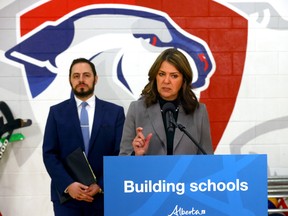
The ongoing teachers’ strike in Alberta has sparked significant debate over funding for public education. Parents, educators, and officials are voicing their concerns as classrooms remain closed, affecting students in Grades 8 and 10 across the province. Many believe that the root of the funding issues lies with the school boards rather than provincial government policies.
N.A. Boyko, a parent from Edmonton, expressed disappointment over the strike, emphasizing the negative impact on his children’s education and extracurricular activities. “The deal the union rejected sounded reasonable,” Boyko noted, raising questions about the management of classroom funding. He attributed any funding mismanagement to the school boards, asserting that the Alberta government is handling K-12 education with professionalism and common sense.
The situation has become more complicated with conflicting statements regarding Alberta’s education spending. In coverage by various news outlets, Jason Schilling, president of the Alberta Teachers’ Association (ATA), claimed that Alberta spends the least on schools compared to other provinces. In contrast, Premier Danielle Smith argued that Alberta allocates the most funds. This dichotomy of perspectives has left many parents and educators seeking clarity.
Analysis from the Fraser Institute, which is not typically aligned with socialist views, corroborates the ATA’s claim that Alberta spends the least per student of any province. Meanwhile, Statistics Canada indicates that Alberta ranks third-lowest in spending, with only Newfoundland and British Columbia spending less. According to their findings, Newfoundland spends 1.4 percent less per student, while British Columbia spends 1.6 percent less, with the national average exceeding Alberta’s spending by 12 percent.
Amidst these disputes, some educators have taken a firm stand against accepting the government’s proposed memorandum of understanding. Bauni Mackay of Edmonton argued that accepting the deal would contribute to the erosion of public education. “This strike is not simply a work stoppage,” Mackay stated. “It is a standoff between a government with an agenda and a profession exposing what that agenda actually is.”
Mackay emphasized the critical role of public education in maintaining democracy, warning that under-funding public schools while increasing financial support for private education creates a two-tiered system. This, she argues, risks fostering inequality and undermining democratic values.
As the strike continues, the implications for students and families remain significant. With many parents voicing their concerns about the disruption, the debate over funding and educational priorities in Alberta is far from resolved. The outcome of this standoff will likely have lasting effects on the province’s education system and its future direction.










Assiniboine College Joins Canada’s Top 50 Research Colleges!

Myanmar Citizens Cast Early Votes in Bangkok Amid Controversial Elections

Kinew Government’s $3 Billion Power Plant Sparks Controversy

Assiniboine College Achieves Milestone, Ranks 47th Among Research Colleges

Brandon Hosts Festive Christmas Open House at City Hall

Lethbridge Polytechnic Achieves Top 10 Status in Research Rankings

SDG Counties Seeks Funding for Rural Healthcare Recruitment

Utah Mammoth Clinches 4-1 Win Over Canucks in Vancouver Showdown

Joliet West Dominates Plainfield South, Wins 52-25 in Urgent Clash

Secwepemc First Nation Seeks Aboriginal Title Over Kamloops Area

Scientists Unearth Ancient Antarctic Ice to Unlock Climate Secrets

Trump and McCormick to Announce $70 Billion Energy Investments

Four Astronauts Return to Earth After International Space Station Mission

TransLink Launches Food Truck Program to Boost Revenue in Vancouver

Apple Notes Enhances Functionality with Markdown Support in macOS 26

Manitoba’s Burger Champion Shines Again Amid Dining Innovations

Urgent Update: Fatal Crash on Highway 99 Claims Life of Pitt Meadows Man

Ukrainian Tennis Star Elina Svitolina Faces Death Threats Online
-
 Politics4 weeks ago
Secwepemc First Nation Seeks Aboriginal Title Over Kamloops Area
-
 World5 months ago
Scientists Unearth Ancient Antarctic Ice to Unlock Climate Secrets
-
 Entertainment5 months ago
Trump and McCormick to Announce $70 Billion Energy Investments
-
 Science5 months ago
Four Astronauts Return to Earth After International Space Station Mission
-
 Lifestyle5 months ago
TransLink Launches Food Truck Program to Boost Revenue in Vancouver
-
 Technology3 months ago
Apple Notes Enhances Functionality with Markdown Support in macOS 26
-
 Lifestyle3 months ago
Manitoba’s Burger Champion Shines Again Amid Dining Innovations
-
 Top Stories2 months ago
Urgent Update: Fatal Crash on Highway 99 Claims Life of Pitt Meadows Man
-
 Politics4 months ago
Ukrainian Tennis Star Elina Svitolina Faces Death Threats Online
-
 Sports5 months ago
Search Underway for Missing Hunter Amid Hokkaido Bear Emergency
-
 Politics5 months ago
Carney Engages First Nations Leaders at Development Law Summit
-

 Technology5 months ago
Frosthaven Launches Early Access on July 31, 2025