
Technology
AI Bubble: What Sam Altman’s Warning Means for Investors

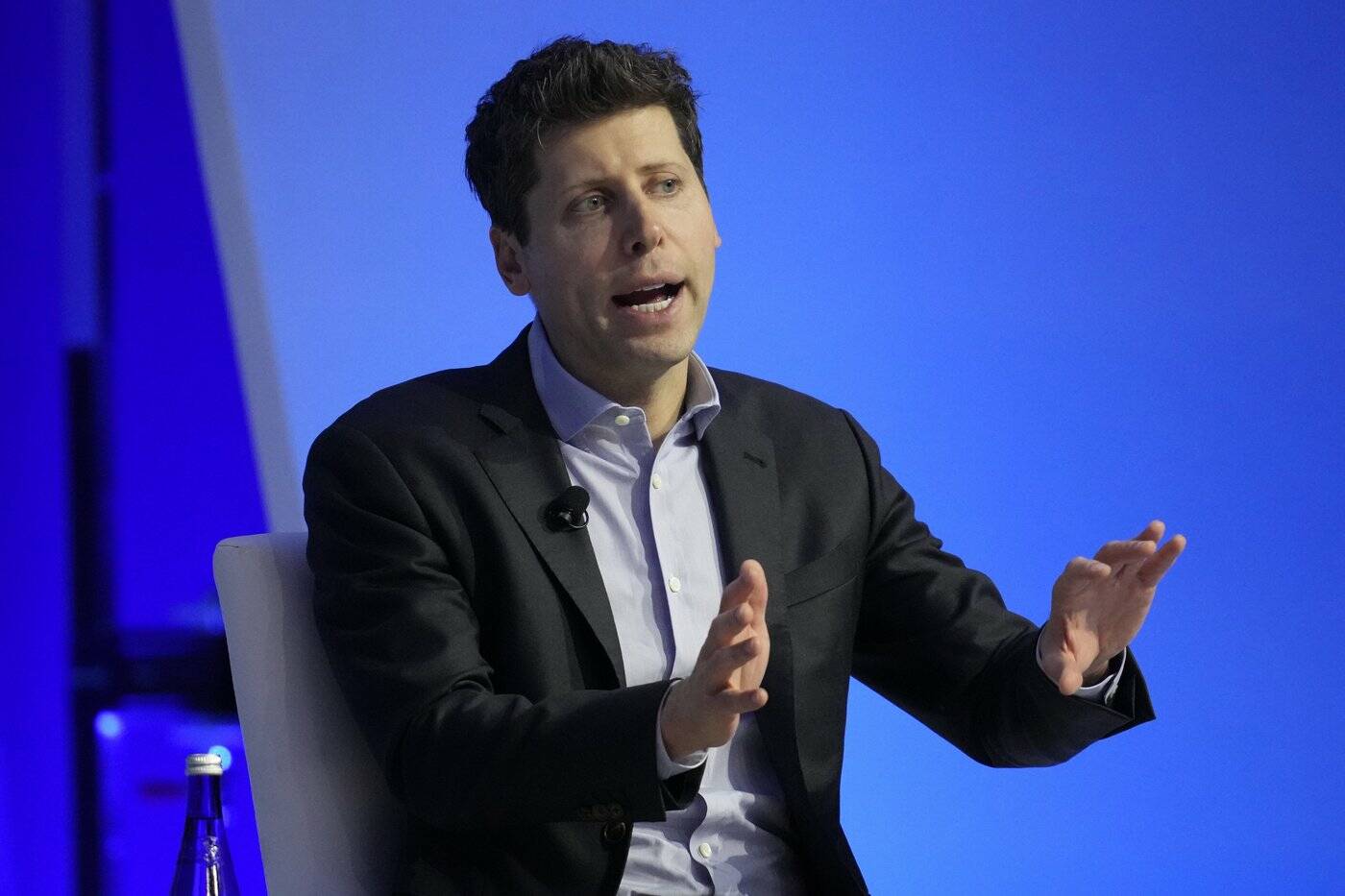
In a striking admission, Sam Altman, CEO of OpenAI, declared earlier this year that the artificial intelligence (AI) sector is experiencing a bubble. This statement, made during a press briefing in San Francisco, sent shockwaves through the American tech market, leading to immediate reactions from investors and analysts alike. Altman’s comments highlighted the fragility of the sector, particularly as it relates to the high rate of failure in AI pilot projects, with estimates indicating that as many as 95 percent do not succeed.
Despite Altman’s focus on private startups, many interpreted his warning as a broader signal about the industry’s health. High-profile investors like Peter Thiel have already taken action, divesting from companies such as Nvidia. Similarly, Michael Burry, known for his role in the 2008 financial crisis as depicted in “The Big Short,” has placed substantial bets against companies like Palantir and Nvidia, anticipating declines in their market values.
Understanding the Underlying Economic Issues
Altman’s statement brings to light deeper economic concerns reminiscent of the theories of Prussian philosopher Karl Marx. He argued that economies become unstable when accumulated capital cannot find profitable reinvestment opportunities. This concept of over-accumulation poses a significant risk when investments do not generate new surplus value, leading to speculative endeavors rather than productive growth.
The future of AI technology itself is not in jeopardy; its resilience is comparable to the internet’s survival post-dot-com crash. The real question revolves around where capital will flow when AI stocks cease to yield the speculative returns seen in recent years. The concentration of investment in the technology sector, particularly the so-called “Magnificent Seven” companies—Amazon, Alphabet, Meta, Apple, Microsoft, Nvidia, and Tesla—obscures the broader economic landscape, which continues to stagnate.
Speculative Behavior and Its Consequences
Years of low interest rates and pandemic-related liquidity have inflated corporate balance sheets, funneling excess capital into the tech sector. This situation does not signal genuine technological vitality; it reflects an unhealthy concentration of investment in overvalued assets, leading to a disconnect from real economic activity. As a result, the “real economy” suffers, contributing to economic stagnation and a rising cost-of-living crisis.
David Harvey, a prominent economic geographer, expands on Marx’s ideas with the notion of the “spatio-temporal fix.” This concept describes how capital temporarily resolves stagnation by delaying investments or expanding into new territories. The current AI boom acts as a dual fix, allowing investors to claim future profits that may not materialize, while simultaneously driving investment into physical infrastructure like data centers and chip manufacturing facilities.
As Altman’s warnings suggest, the potential for these speculative outlets to reach their limits exists, particularly in light of increasing protectionist measures in global trade. This trend could further exacerbate the over-accumulation of capital, leading to a cycle of economic instability.
Historically, bubbles have devastating societal impacts. For instance, the dot-com crash saw many small investors lose their savings, while the 2008 financial crisis displaced millions from their homes. As large asset managers prepare for future turbulence, the current environment raises concerns about the broader implications of the AI bubble.
The structural pressures driving the AI bubble indicate that it is more a symptom of deeper economic issues than a mere technological phenomenon. As corporate spending on AI infrastructure surpasses household consumption’s contribution to GDP growth, the reliance on speculative investments highlights the precariousness of the current economic landscape.
With tariffs and export controls tightening the avenues for capital to flow into new markets, investors may increasingly resort to financial tools to postpone losses. This behavior risks creating a crisis of consumer credit, as households take on unsustainable levels of debt to maintain economic activity.
If the AI bubble bursts amid these fragile conditions, the repercussions could be severe. While capital will not vanish, it may gravitate towards bond markets and inflated credit instruments, further concentrating wealth and exacerbating social inequalities. The consequences of this bubble will ultimately weigh heavily on the working class, who are often the first to suffer during economic downturns.
In summary, Altman’s observation about the AI sector is not merely a warning about a speculative bubble; it serves as a reminder of the systemic challenges that can arise when over-accumulated capital seeks new outlets. As the industry evolves, the implications for both investors and society at large will continue to unfold, highlighting the need for a more balanced and sustainable approach to economic growth.
The original analysis was published by The Conversation Canada, where Elliot Goodell Ugalde is a PhD candidate in political economy at Queen’s University, Ontario.












Seniors Urged to Take Action NOW to Prevent Falls: Key Tips

Urgent Update: Carney and Smith Propose Controversial Pipeline Plan

US Futures Dip, Asian Stocks Mixed as Oil Prices Surge Over $1

Australian Law Bans Under-16s from Social Media to Combat Harm

Canadian Doctors Unveil New Guidelines to Boost PrEP Access

Reporting Issuers Announce Upcoming Meeting Dates for December 2025

AI Bubble: What Sam Altman’s Warning Means for Investors

Zach Edey Scores Career-High 32 Points, Leads Grizzlies to Victory

Brandon University and Assiniboine College Host Engaging Events

Secwepemc First Nation Seeks Aboriginal Title Over Kamloops Area

Scientists Unearth Ancient Antarctic Ice to Unlock Climate Secrets

Trump and McCormick to Announce $70 Billion Energy Investments

TransLink Launches Food Truck Program to Boost Revenue in Vancouver

Four Astronauts Return to Earth After International Space Station Mission

Apple Notes Enhances Functionality with Markdown Support in macOS 26

Manitoba’s Burger Champion Shines Again Amid Dining Innovations

Urgent Update: Fatal Crash on Highway 99 Claims Life of Pitt Meadows Man

Ukrainian Tennis Star Elina Svitolina Faces Death Threats Online
-
 Politics3 weeks ago
Secwepemc First Nation Seeks Aboriginal Title Over Kamloops Area
-
 World5 months ago
Scientists Unearth Ancient Antarctic Ice to Unlock Climate Secrets
-
 Entertainment5 months ago
Trump and McCormick to Announce $70 Billion Energy Investments
-
 Lifestyle5 months ago
TransLink Launches Food Truck Program to Boost Revenue in Vancouver
-
 Science5 months ago
Four Astronauts Return to Earth After International Space Station Mission
-
 Technology3 months ago
Apple Notes Enhances Functionality with Markdown Support in macOS 26
-
 Lifestyle3 months ago
Manitoba’s Burger Champion Shines Again Amid Dining Innovations
-
 Top Stories2 months ago
Urgent Update: Fatal Crash on Highway 99 Claims Life of Pitt Meadows Man
-
 Politics4 months ago
Ukrainian Tennis Star Elina Svitolina Faces Death Threats Online
-

 Sports5 months ago
Search Underway for Missing Hunter Amid Hokkaido Bear Emergency
-

 Politics5 months ago
Carney Engages First Nations Leaders at Development Law Summit
-

 Technology5 months ago
Frosthaven Launches Early Access on July 31, 2025