
Business
Eli Lilly Reduces Zepbound Prices to Enhance Accessibility

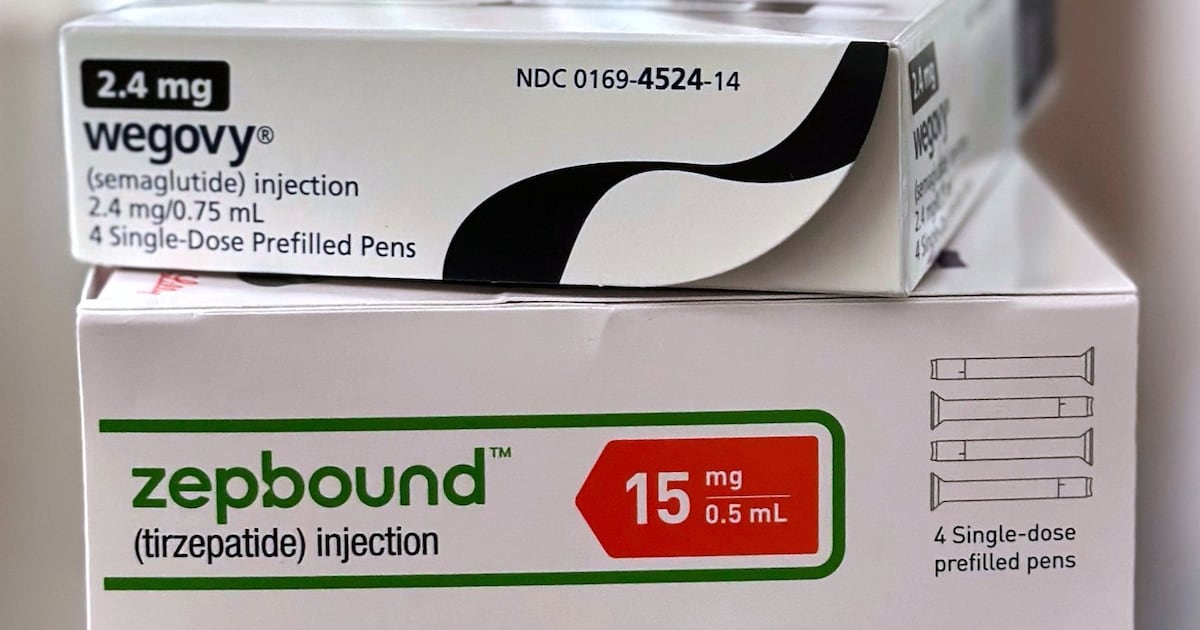
Eli Lilly has announced a significant reduction in the prices of its obesity treatment, Zepbound, aiming to increase accessibility for U.S. patients. As of March 2024, the monthly cost for a single-dose vial of Zepbound at 2.5 mg has decreased to $299, down from $349. The five mg dose now costs $399, reduced from $499, while higher doses will be available for $449 per month through Lilly’s Zepbound Self Pay Journey Program.
This price adjustment follows a similar reduction in the cost of Zepbound multi-dose pens, which are currently awaiting approval from the U.S. Food and Drug Administration. According to Ilya Yuffa, an executive at Eli Lilly, “Far too many people who need obesity treatments still face cost and coverage barriers.” The company’s efforts reflect a growing demand for weight-loss therapies, which has significantly boosted its market presence.
Lilly’s stock has surged by more than 39 percent this year, driven by the booming obesity drug market. Last month, the company achieved a historic milestone, becoming the first drugmaker to reach a market capitalization of $1 trillion, joining a select group of companies previously dominated by technology giants.
Zepbound, which contains the active ingredient tirzepatide, is approved for adults with obesity or overweight conditions, as well as those suffering from moderate-to-severe obstructive sleep apnea. This medication has rapidly ascended to become the world’s best-selling drug, surpassing Merck’s cancer drug, Keytruda.
The price cuts are particularly notable as they coincide with a broader trend towards affordability in the healthcare sector. In November, Eli Lilly reached an agreement with the administration of former President Donald Trump to reduce prices of its GLP-1 drugs under Medicare and Medicaid programs, making these treatments more accessible to cash payers as well.
As the demand for effective weight-loss medications continues to grow, Eli Lilly’s strategic pricing decisions are likely to play a crucial role in shaping the future of obesity treatment in the United States and beyond.












American Airlines Pilots Challenge Management After Poor Results

Kirsten Hillman Concludes Historic Ambassadorial Tenure in Washington

Centenarian Mildred “Blondie” Siegel Celebrates 100 Years of Life

Experts Warn of Rapid Rise in AI-Generated Threats to Canada

Trump Faces Criticism as Super Bowl Approaches Without His Presence

Researchers Test Birth Control to Tame Chicago’s Rat Population

Trump Skips Super Bowl Amid Rising Tensions and Backlash

European Central Bank Maintains Steady Rates Amid Resilient Economy

Canada Invests $570 Million to Reskill Auto Workers for Future

Secwepemc First Nation Seeks Aboriginal Title Over Kamloops Area

Scientists Unearth Ancient Antarctic Ice to Unlock Climate Secrets

Urgent Fire Erupts at Salvation Army on Christmas Evening

Canadian Curler E.J. Harnden Announces Retirement from Competition

Manitoba’s Burger Champion Shines Again Amid Dining Innovations

Fatal Crash on Highway 11 Claims Three Lives, Major Closure Ongoing

Trump and McCormick to Announce $70 Billion Energy Investments

Four Astronauts Return to Earth After International Space Station Mission

TransLink Launches Food Truck Program to Boost Revenue in Vancouver
-
 Politics3 months ago
Secwepemc First Nation Seeks Aboriginal Title Over Kamloops Area
-
 World7 months ago
Scientists Unearth Ancient Antarctic Ice to Unlock Climate Secrets
-
 Top Stories1 month ago
Urgent Fire Erupts at Salvation Army on Christmas Evening
-
 Sports1 month ago
Canadian Curler E.J. Harnden Announces Retirement from Competition
-
 Lifestyle5 months ago
Manitoba’s Burger Champion Shines Again Amid Dining Innovations
-
 Top Stories2 months ago
Fatal Crash on Highway 11 Claims Three Lives, Major Closure Ongoing
-
 Entertainment7 months ago
Trump and McCormick to Announce $70 Billion Energy Investments
-
 Science7 months ago
Four Astronauts Return to Earth After International Space Station Mission
-
 Lifestyle7 months ago
TransLink Launches Food Truck Program to Boost Revenue in Vancouver
-

 Technology5 months ago
Apple Notes Enhances Functionality with Markdown Support in macOS 26
-

 Top Stories1 month ago
Blue Jays Sign Kazuma Okamoto: Impact on Bo Bichette’s Future
-

 Top Stories2 months ago
NHL Teams Inquire About Marc-André Fleury’s Potential Return