
Health
Manitoba Launches Physician Pilot to Address ER Overcrowding

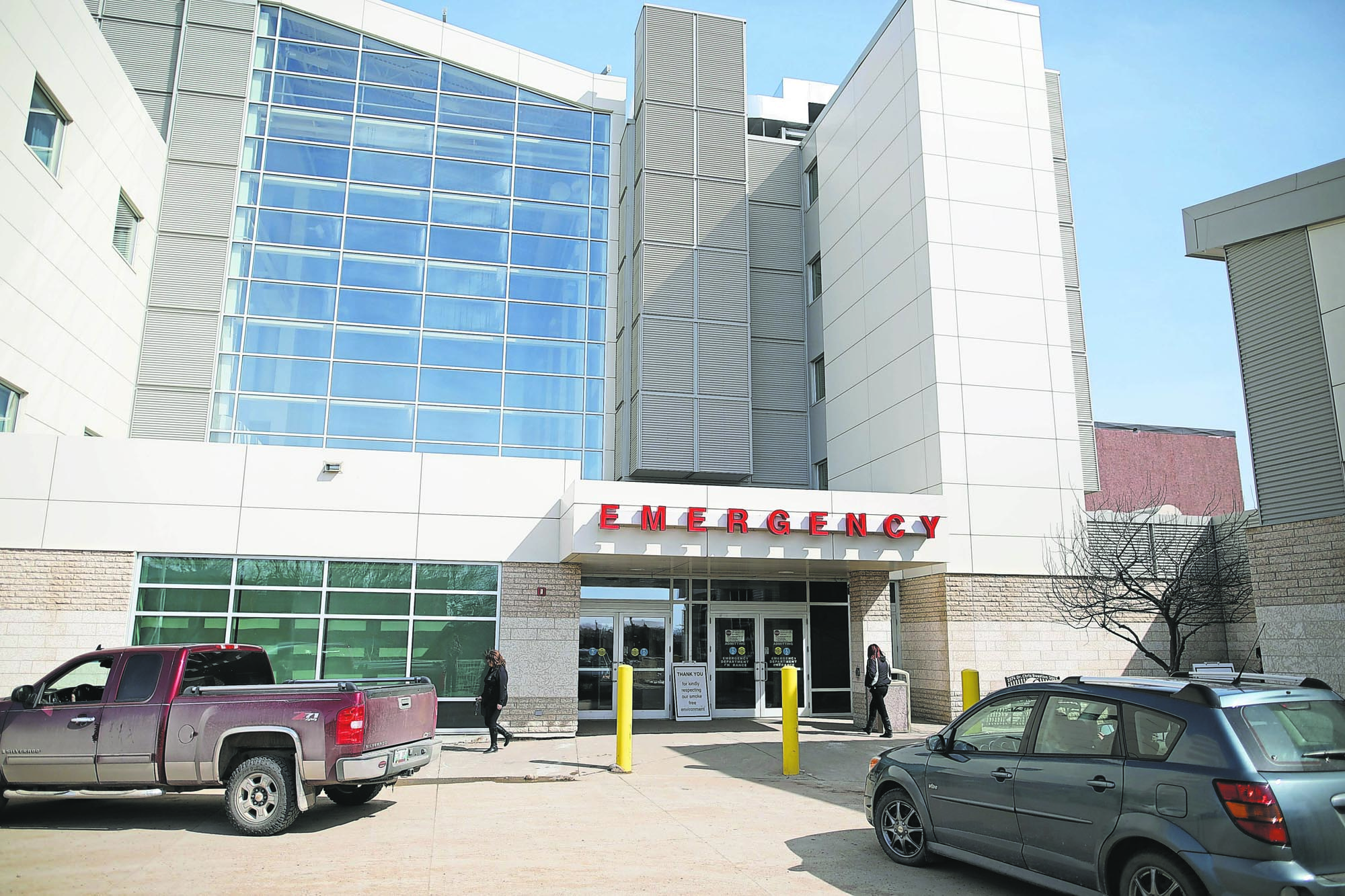
The Manitoba government has introduced a plan to enhance the Health Links–Info Santé service by adding physicians, a move aimed at providing better medical support to residents. Announced last week, the initiative includes two doctors who will be available from 08:00 to 18:00 as part of a six-month pilot project. This improvement aims to address the longstanding concerns related to emergency room (ER) overcrowding and to offer callers more precise assessments rather than the usual advice of visiting the ER.
Initial reports from the pilot indicate that in the first ten days, 160 callers were referred to a physician, with only 10 advised to go to the ER. While this suggests a reduction in unnecessary emergency visits, experts caution that the broader issues of ER congestion in Manitoba are far more complex than this pilot could resolve.
Understanding the ER Overcrowding Crisis
According to the Canadian Association of Emergency Physicians (CAEP), the notion that low-acuity patients—the ones with minor ailments—contribute significantly to ER overcrowding is a misconception. In a 2022 report, CAEP stated, “low-acuity or what some deem ‘inappropriate’ visits are NOT the cause of ED overcrowding.” The association highlights that these patients do not occupy hospital resources that exacerbate bottlenecks; instead, it is often the critically ill patients needing admission who face delays due to a lack of available inpatient beds.
The situation is exacerbated by the fact that Manitoba hospitals frequently operate at or above capacity. With medical and surgical wards filled and a shortage of staffed beds, patients who no longer require acute care are often unable to leave hospital facilities due to insufficient personal care home space or home-care support. Consequently, admitted patients may remain in ERs for prolonged periods, blocking the flow of new arrivals and contributing to longer wait times.
One notable case that illustrates the seriousness of this issue is that of Genevieve Price, an 82-year-old woman who tragically passed away after waiting 30 hours for treatment in a Grace Hospital ER hallway. Her situation underscores the urgent need for a comprehensive approach to tackling ER congestion.
Addressing the Root Causes
Past attempts by the Manitoba government to alleviate ER crowding through strategies aimed at low-acuity patients have proven to be insufficient. Initiatives such as expanding access to walk-in clinics, funding after-hours care, and enhancing virtual care have not produced the desired outcomes. The opening of a minor injury and illness clinic in Brandon, for instance, was expected to reduce pressure on the ER at the Brandon Regional Health Centre. Yet, wait times continue to reach record levels across the province, particularly in Winnipeg hospitals.
To truly tackle the issue of ER congestion, experts argue that Manitoba needs to focus on several critical areas. There is a pressing need for more staffed acute-care beds, improved hospital throughput, and increased home-care support. Additionally, faster placement into personal care homes and modernized discharge planning are essential components of a systemic solution. The recruitment and retention of healthcare professionals, including nurses, paramedics, and physicians, are crucial for building a robust healthcare infrastructure.
While the addition of physicians to Health Links represents a step forward in enhancing access to primary care, it is important to recognize that it does not address the foundational challenges facing Manitoba’s healthcare system. The government has acknowledged these complex issues but has yet to implement the necessary investment and structural changes required for a comprehensive solution.
The pilot project may serve as a valuable resource for some patients, but it risks creating a false impression that ER overcrowding can be resolved with minor adjustments rather than through substantial reforms. To effectively manage the ongoing crisis in emergency care, Manitoba must adopt a holistic approach that prioritizes patient flow and addresses the underlying problems plaguing its healthcare system.











South Korean President Demands Accountability After Coupang Data Leak

Manitoba Expands Health Links with New Physician Pilot Program

District Metals Unveils Promising Targets at Malgomaj Property

UN Report Warns AI Could Widen Economic Inequalities Globally

Melania Trump Reveals 2025 White House Christmas Theme

University of Victoria Responds to Controversial Campus Event

Surrey Urges B.C. to Enforce Fireworks Restrictions Amid Safety Concerns

Urgent Approval: $36,400 Dive Platforms for Canfor Leisure Pool

Edmonton City Council Begins Urgent Budget Talks, Faces $3.8B Shortfall

Secwepemc First Nation Seeks Aboriginal Title Over Kamloops Area

Scientists Unearth Ancient Antarctic Ice to Unlock Climate Secrets

Trump and McCormick to Announce $70 Billion Energy Investments

Four Astronauts Return to Earth After International Space Station Mission

TransLink Launches Food Truck Program to Boost Revenue in Vancouver

Apple Notes Enhances Functionality with Markdown Support in macOS 26

Manitoba’s Burger Champion Shines Again Amid Dining Innovations

Urgent Update: Fatal Crash on Highway 99 Claims Life of Pitt Meadows Man

Ukrainian Tennis Star Elina Svitolina Faces Death Threats Online
-
 Politics4 weeks ago
Secwepemc First Nation Seeks Aboriginal Title Over Kamloops Area
-
 World5 months ago
Scientists Unearth Ancient Antarctic Ice to Unlock Climate Secrets
-
 Entertainment5 months ago
Trump and McCormick to Announce $70 Billion Energy Investments
-
 Science5 months ago
Four Astronauts Return to Earth After International Space Station Mission
-
 Lifestyle5 months ago
TransLink Launches Food Truck Program to Boost Revenue in Vancouver
-
 Technology3 months ago
Apple Notes Enhances Functionality with Markdown Support in macOS 26
-
 Lifestyle3 months ago
Manitoba’s Burger Champion Shines Again Amid Dining Innovations
-
 Top Stories2 months ago
Urgent Update: Fatal Crash on Highway 99 Claims Life of Pitt Meadows Man
-
 Politics4 months ago
Ukrainian Tennis Star Elina Svitolina Faces Death Threats Online
-

 Sports5 months ago
Search Underway for Missing Hunter Amid Hokkaido Bear Emergency
-

 Politics5 months ago
Carney Engages First Nations Leaders at Development Law Summit
-

 Technology5 months ago
Frosthaven Launches Early Access on July 31, 2025