
Politics
Alaska Lawmaker Cautions Yukon on Ranked Voting After Plebiscite

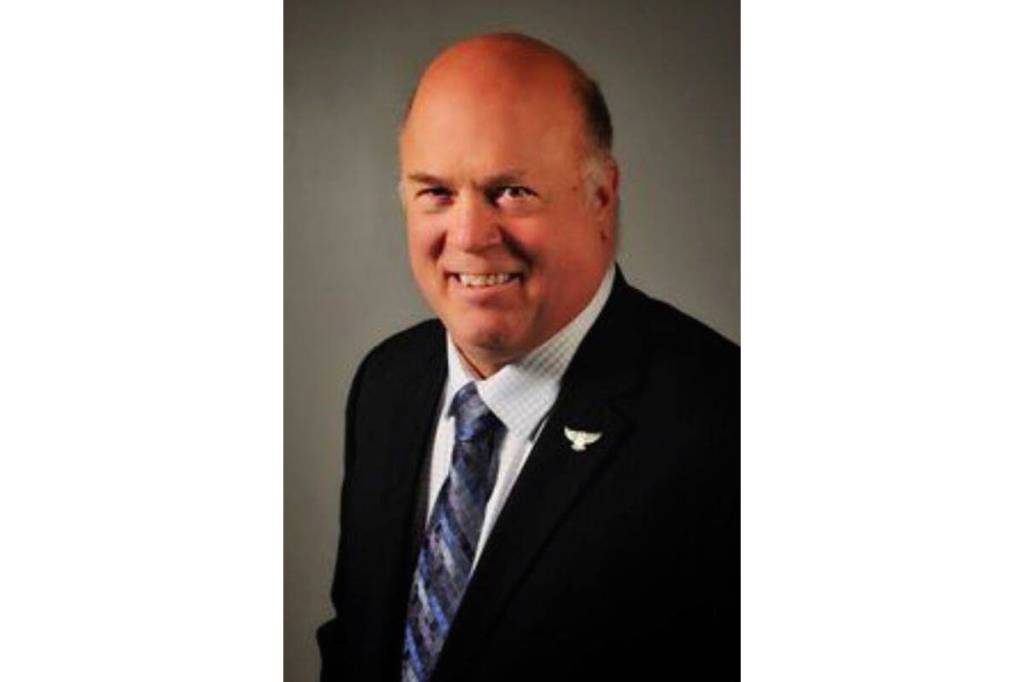
Republican Alaska House Representative Kevin McCabe has expressed his concerns regarding the adoption of ranked voting in Yukon, following a recent plebiscite where approximately 56 percent of electors supported the measure. McCabe, who represents District 30 in Alaska, warned that such a voting system could lead politicians to dilute their positions, ultimately impacting the quality of democratic debate.
According to McCabe, ranked voting encourages candidates to adopt more centrist stances rather than clearly defining their platforms. He stated, “Instead of taking a hard, solid position… they modify their positions so that they can not only get the Number 1 vote out of their voters that know them, but maybe get the Number 2 vote as well.” This, he argues, can create a political environment where candidates avoid taking definitive stands on critical issues.
Alaska implemented ranked voting following a 2020 ballot measure and used it during the 2022 elections. The system allows voters to rank candidates, with the requirement that a candidate must secure more than 50 percent of the votes to be elected. Despite its introduction, a ballot measure to repeal ranked voting was rejected by voters in late 2024. McCabe noted that some Alaska Republicans are advising their constituents to refrain from ranking Democratic candidates to prevent splitting the conservative vote in upcoming elections.
The discourse around ranked voting has gained traction following a report published by the Sightline Institute, which highlighted lessons from Alaska’s experience that could be beneficial for Yukon. Researcher Al Vanderklipp indicated that ranked voting has contributed to reducing polarization in the Alaska legislature, encouraging politicians to address issues that resonate with a broader segment of the population.
The recent Yukon elections, held alongside the territorial elections on November 3, 2025, saw the Yukon Party emerge with a majority government. While the Yukon Party employs ranked ballots for leadership elections, it has officially opposed their use for electing members of the Yukon Legislative Assembly. During the election campaign, a local “Vote Yes” initiative aimed to promote ranked voting, while the Yukon Party campaigned against it.
In Alaska, McCabe reported a growing dissatisfaction among constituents regarding the ranked voting system, especially among conservative voters. He emphasized that the U.S. Constitution is built on the principle of one person, one vote, which he believes conflicts with the ranked-choice approach that allows voters to express preferences among multiple candidates. “This multiple-choice thing eventually will drive us all towards the centre,” he stated, comparing the situation to elections in Australia, where he perceives a lack of distinct political choices.
McCabe highlighted a specific instance involving former Democratic House representative Mary Peltola, who won a special election due to a split vote among conservative candidates. He also raised concerns about the potential for disenfranchisement among voters, particularly those unfamiliar with ranked ballots, such as non-native English speakers, the elderly, and immigrants. “It’s a very complicated system,” he said, underscoring the challenges faced by these groups.
He referenced the Foundation for Government Accountability, a conservative think tank that argues against ranked voting, claiming it is primarily supported by left-leaning groups. The foundation cites former U.S. President Donald Trump, who labeled ranked-choice voting as “one of the greatest threats to democracy” in a message on his social media platform, Truth Social.
McCabe criticized the ballot question related to ranked voting in Alaska, describing it as “wonky” and suggesting it led to confusion among voters. He noted that proponents of ranked voting had marketed it as a means to combat “dark money” influences in politics, yet he argued that significant funds from outside sources ultimately swayed public opinion in favor of the measure.
Looking ahead, McCabe indicated that a movement is underway to repeal Alaska’s ranked voting system. He claimed this initiative has already gathered thousands of signatures beyond the required threshold to place the measure on the ballot for a vote in November 2026. “I think the difference is absolutely going to be that we will get conservatives elected that the state actually desires,” he asserted, emphasizing the need for candidates who align more closely with conservative values.
As Yukon navigates its electoral future, the ongoing dialogue regarding ranked voting highlights the complexities and differing perspectives surrounding this electoral reform, both in the territory and in neighboring Alaska. The implications of such a system remain a pivotal topic of discussion for constituents and lawmakers alike.













Canada Announces Urgent $235M Military Aid for Ukraine at NATO

Kitchener Rangers’ Teddy Bear Toss Nets Nearly 10,000 Stuffed Toys

Toronto Police Seek Urgent $93.8 Million Budget Boost for 2026

Culture Minister Pushes to Remove Religious Hate Speech Exemption

Raptors Snap Losing Streak with Narrow Victory Over Trail Blazers

Ontario to Release Delayed EQAO Scores Amid Scrutiny

Israeli-Canadians Divided Over Netanyahu’s Leadership Ahead of Elections

Congolese Refugee in Kitchener Avoids Deportation After Assault Charges

Alberta Moves Forward with Stringent Food Safety Legislation

Secwepemc First Nation Seeks Aboriginal Title Over Kamloops Area

Scientists Unearth Ancient Antarctic Ice to Unlock Climate Secrets

Trump and McCormick to Announce $70 Billion Energy Investments

Four Astronauts Return to Earth After International Space Station Mission

TransLink Launches Food Truck Program to Boost Revenue in Vancouver

Apple Notes Enhances Functionality with Markdown Support in macOS 26

Manitoba’s Burger Champion Shines Again Amid Dining Innovations

Urgent Update: Fatal Crash on Highway 99 Claims Life of Pitt Meadows Man

Ukrainian Tennis Star Elina Svitolina Faces Death Threats Online
-
 Politics4 weeks ago
Secwepemc First Nation Seeks Aboriginal Title Over Kamloops Area
-
 World5 months ago
Scientists Unearth Ancient Antarctic Ice to Unlock Climate Secrets
-
 Entertainment5 months ago
Trump and McCormick to Announce $70 Billion Energy Investments
-
 Science5 months ago
Four Astronauts Return to Earth After International Space Station Mission
-
 Lifestyle5 months ago
TransLink Launches Food Truck Program to Boost Revenue in Vancouver
-
 Technology3 months ago
Apple Notes Enhances Functionality with Markdown Support in macOS 26
-
 Lifestyle3 months ago
Manitoba’s Burger Champion Shines Again Amid Dining Innovations
-
 Top Stories2 months ago
Urgent Update: Fatal Crash on Highway 99 Claims Life of Pitt Meadows Man
-
 Politics4 months ago
Ukrainian Tennis Star Elina Svitolina Faces Death Threats Online
-

 Sports5 months ago
Search Underway for Missing Hunter Amid Hokkaido Bear Emergency
-

 Politics5 months ago
Carney Engages First Nations Leaders at Development Law Summit
-

 Technology5 months ago
Frosthaven Launches Early Access on July 31, 2025