
Top Stories
Urgent Study on Food Access Launched for Surrey’s Black Community

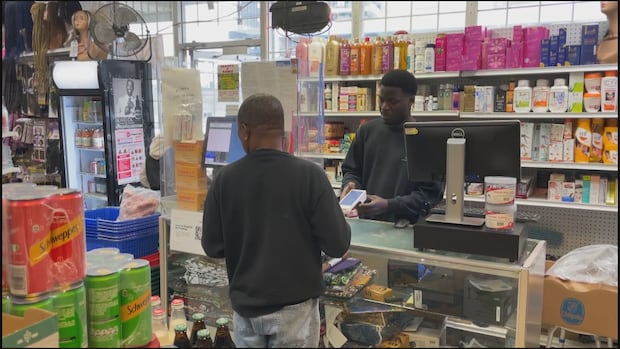
URGENT UPDATE: A groundbreaking study has just been launched to investigate the critical issue of food access among Surrey’s Black community. Researchers, alongside local volunteers, are focusing on the alarming rates of food insecurity impacting this population, with a staggering 76 percent of Black respondents in Surrey reporting difficulties in accessing culturally preferred foods.
The initiative is spearheaded by Cayley Velazquez, an instructor at Kwantlen Polytechnic University, who has secured $600,000 in federal funding over the next five years. “We want to better understand what is impacting the availability, accessibility, and utilization of food for this community,” Velazquez stated. This study is especially urgent as Surrey is home to B.C.’s largest self-identifying Black population.
The research comes in response to growing concerns from farmers like Toyin Kayo-Ajayi, who has been cultivating African crops in Mission, B.C. since 2019. He noted that many Black newcomers are struggling with health issues linked to the lack of access to the foods they grew up with. “When they get here, after a year or two, they’re not feeling really healthy,” Kayo-Ajayi explained. His efforts to grow crops such as cassava and yam highlight the challenges of sourcing these culturally significant foods, which are often expensive due to reliance on international shipping.
Early findings from the advisory group reveal that food insecurity is not only extensive but also disproportionately affects Black and Indigenous households, which are 3.5 times more likely to be food insecure. “Access to nutritious and cultural food is, and should be, a right,” said Anna Spyker, co-ordinator of the advisory group.
The study will delve into why these barriers exist and how they affect residents, aiming to inform equitable food programs and policies that meet the needs of all people. “The ultimate goal is to use what we learn to inform equitable food programs and policies that meet the needs of all people,” Velazquez emphasized.
This initiative is crucial in a region where retail options for African and Caribbean foods are limited, primarily concentrated near the King George SkyTrain station in North Surrey. Many individuals travel from across Metro Vancouver and even from Vancouver Island just to obtain these essential supplies.
Kayo-Ajayi believes this study could open up significant agricultural opportunities in B.C., stating, “There’s a big market for this and the opportunity is massive.” As the research progresses, community involvement will be key in shaping future policies to enhance food access and security.
With the first phase of the study expected to yield results soon, the community watches closely, hopeful that these efforts will lead to tangible changes in food availability and health outcomes for Surrey’s Black residents. Stay tuned for updates on this critical development.











Historic Inuvialuit Kayak Returns After 100 Years at Vatican

New Melbourne Study Reveals Benefits of Remote Work on Mental Health

Ottawa Art Collector Bill Staubi’s Journey from Cancer to Renewal

Budget 2025 Sparks Transformation and Opportunity for Public Servants

FIFA 2026 World Cup Draw Unveils Canada’s Opponents

Greater Victoria School District Faces $3.5 Million Deficit

Ocado Secures $350 Million from Kroger Amid Warehouse Closures

HOTWAV Launches Game-Changing Hyper 8 Ultra Rugged Phone Now!

Urgent Concerns Rise Over Grays Bay Road and Port Project

Secwepemc First Nation Seeks Aboriginal Title Over Kamloops Area

Scientists Unearth Ancient Antarctic Ice to Unlock Climate Secrets

Trump and McCormick to Announce $70 Billion Energy Investments

Four Astronauts Return to Earth After International Space Station Mission

TransLink Launches Food Truck Program to Boost Revenue in Vancouver

Apple Notes Enhances Functionality with Markdown Support in macOS 26

Manitoba’s Burger Champion Shines Again Amid Dining Innovations

Urgent Update: Fatal Crash on Highway 99 Claims Life of Pitt Meadows Man

Ukrainian Tennis Star Elina Svitolina Faces Death Threats Online
-
 Politics4 weeks ago
Secwepemc First Nation Seeks Aboriginal Title Over Kamloops Area
-
 World5 months ago
Scientists Unearth Ancient Antarctic Ice to Unlock Climate Secrets
-
 Entertainment5 months ago
Trump and McCormick to Announce $70 Billion Energy Investments
-
 Science5 months ago
Four Astronauts Return to Earth After International Space Station Mission
-
 Lifestyle5 months ago
TransLink Launches Food Truck Program to Boost Revenue in Vancouver
-
 Technology3 months ago
Apple Notes Enhances Functionality with Markdown Support in macOS 26
-
 Lifestyle3 months ago
Manitoba’s Burger Champion Shines Again Amid Dining Innovations
-
 Top Stories2 months ago
Urgent Update: Fatal Crash on Highway 99 Claims Life of Pitt Meadows Man
-
 Politics4 months ago
Ukrainian Tennis Star Elina Svitolina Faces Death Threats Online
-

 Sports5 months ago
Search Underway for Missing Hunter Amid Hokkaido Bear Emergency
-
 Politics5 months ago
Carney Engages First Nations Leaders at Development Law Summit
-

 Technology5 months ago
Frosthaven Launches Early Access on July 31, 2025