
Top Stories
Historic Inuvialuit Kayak Returns After 100 Years at Vatican

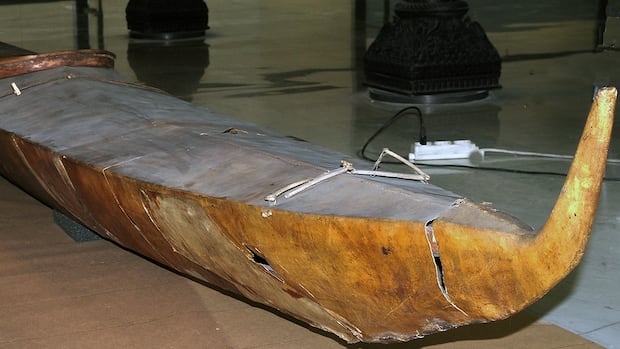
URGENT UPDATE: A historic Inuvialuit kayak, held at the Vatican Museums for over 100 years, is set to return to Canada, marking a significant moment in Indigenous cultural repatriation. This momentous event is part of a larger repatriation effort involving 62 cultural objects from Inuit, First Nations, and Métis communities, scheduled to arrive in Montreal on December 6, 2023.
Darrell Nasogaluak, an Inuvialuit elder from Tuktoyaktuk, N.W.T., expressed deep pride and excitement about the kayak’s return, emphasizing its unique design and cultural significance. “When you saw people coming, you could tell it was the Inuvialuit,” Nasogaluak stated, reflecting on the kayak’s distinctive features that symbolize their heritage.
This kayak was part of a larger collection sent to the Vatican in 1925 by Catholic missionaries, who claimed it was a gesture to showcase Indigenous cultures. However, questions remain about whether these items were gifted or taken without consent. Duane Smith, IRC chair and CEO, highlighted the importance of the kayak in reclaiming a part of Inuvialuit history. “It’s a part of our history, our culture, and what it means to the Inuvialuit,” Smith said.
The journey back to Canada began when negotiations with the Vatican started in 2022, coinciding with a historic visit by Indigenous delegates, including a meeting with Pope Francis. These discussions led to an agreement that not only included the kayak but also 61 other culturally significant items, showcasing a collective commitment to reconciliation.
The kayak, believed to have originated from an area known as Kitigaaryuit, is noted for its craftsmanship, specifically designed for hunting beluga whales in the Mackenzie Delta. Nasogaluak, who learned kayak construction from his grandfather, has been teaching the craft to the youth in his community. “We need a proper facility that can house it,” he emphasized, looking forward to the kayak’s preservation and future use.
The return of these items is more than a physical transfer; it symbolizes a reconnection to Indigenous culture and history that has been lost for generations. Smith stated, “By repatriating the kayak, we are regaining that part of our history and knowledge.”
Upon arrival, the kayak and other cultural objects will be examined at the Canadian Museum of History in Gatineau, Quebec, where leaders from the Inuvialuit and other communities will decide their final destinations. For now, the kayak will remain in the museum until a suitable facility can be established in the Inuvialuit region.
This repatriation is a critical step in acknowledging the past and moving towards a more respectful relationship between Indigenous peoples and institutions. As Nasogaluak remarked, “It’s been gone 100 years; I can’t wait to see it.”
The emotional and cultural impact of this return is profound, igniting hope for a revival of traditional practices and a deeper understanding of Indigenous heritage. This significant repatriation sets a precedent for future negotiations regarding Indigenous artifacts globally.









Netflix Confirms $72B Acquisition of Warner Bros. Discovery

Acute Care Alberta Extends $34M Contract Amid Procurement Probes

Ambassador Bridge Fees Surge $2 by January 2026

Holiday Shoppers Urged to Caution on ‘Buy Now, Pay Later’ Plans

New Study Reveals Remote Work Boosts Mental Health Benefits

Prioritizing Preventative Care: The Importance of Screening Tests

Gas Prices Decrease in Nova Scotia as December Begins

White-Collar Workers Turn to AI Training Amid Job Market Challenges

Whitecaps Aim for MLS Cup Glory Against Inter Miami

Secwepemc First Nation Seeks Aboriginal Title Over Kamloops Area

Scientists Unearth Ancient Antarctic Ice to Unlock Climate Secrets

Trump and McCormick to Announce $70 Billion Energy Investments

Four Astronauts Return to Earth After International Space Station Mission

TransLink Launches Food Truck Program to Boost Revenue in Vancouver

Apple Notes Enhances Functionality with Markdown Support in macOS 26

Manitoba’s Burger Champion Shines Again Amid Dining Innovations

Urgent Update: Fatal Crash on Highway 99 Claims Life of Pitt Meadows Man

Ukrainian Tennis Star Elina Svitolina Faces Death Threats Online
-
 Politics4 weeks ago
Secwepemc First Nation Seeks Aboriginal Title Over Kamloops Area
-
 World5 months ago
Scientists Unearth Ancient Antarctic Ice to Unlock Climate Secrets
-
 Entertainment5 months ago
Trump and McCormick to Announce $70 Billion Energy Investments
-
 Science5 months ago
Four Astronauts Return to Earth After International Space Station Mission
-
 Lifestyle5 months ago
TransLink Launches Food Truck Program to Boost Revenue in Vancouver
-
 Technology3 months ago
Apple Notes Enhances Functionality with Markdown Support in macOS 26
-
 Lifestyle3 months ago
Manitoba’s Burger Champion Shines Again Amid Dining Innovations
-
 Top Stories2 months ago
Urgent Update: Fatal Crash on Highway 99 Claims Life of Pitt Meadows Man
-
 Politics4 months ago
Ukrainian Tennis Star Elina Svitolina Faces Death Threats Online
-
 Sports5 months ago
Search Underway for Missing Hunter Amid Hokkaido Bear Emergency
-
 Politics5 months ago
Carney Engages First Nations Leaders at Development Law Summit
-
 Technology5 months ago
Frosthaven Launches Early Access on July 31, 2025