
Science
New Study Reveals Remote Work Boosts Mental Health Benefits

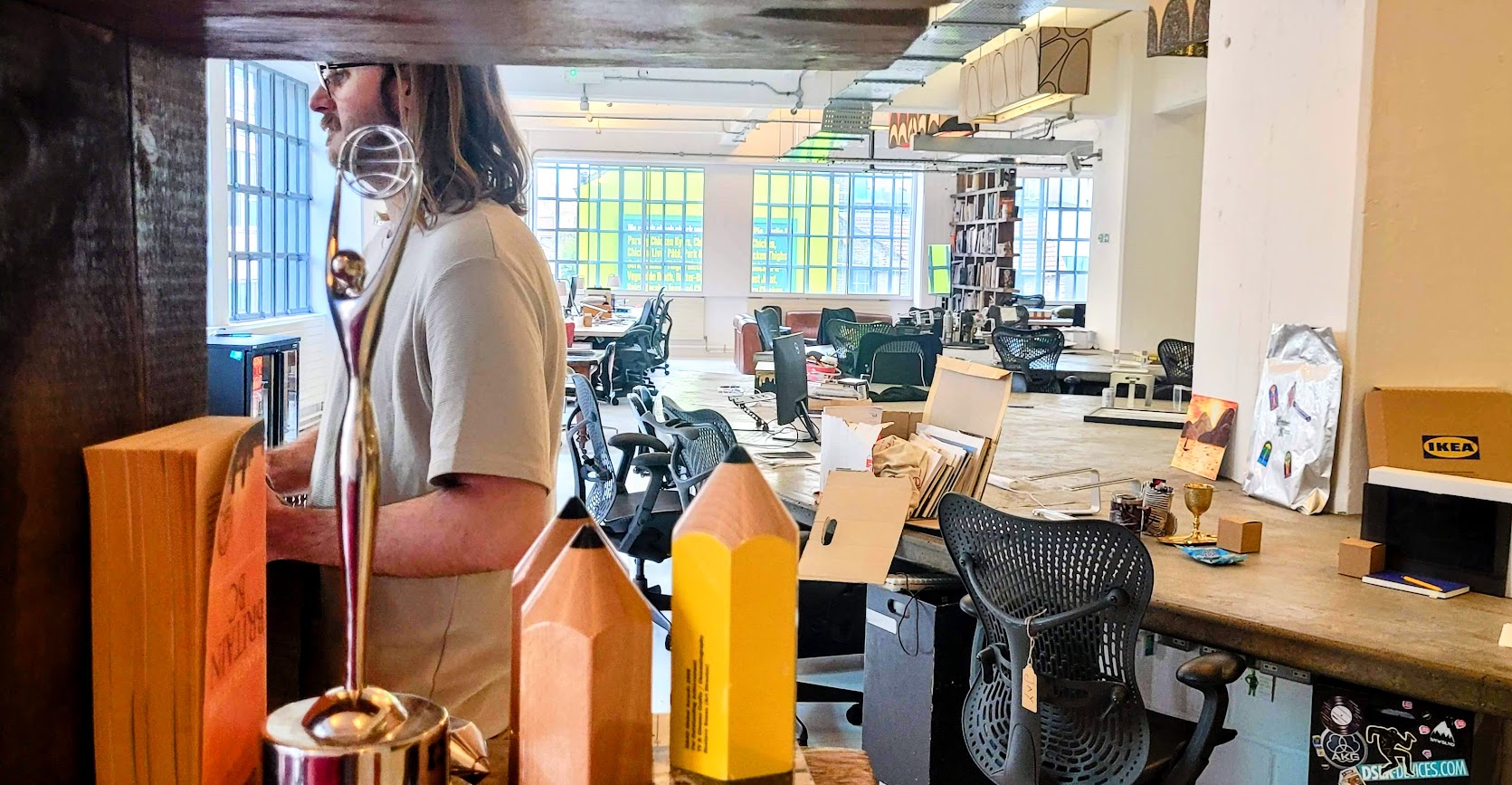
A recent study from Melbourne University has provided valuable insights into the impact of remote work on mental health. Analyzing data from the Household, Income and Labour Dynamics in Australia (HILDA) Survey over 20 years, the research highlights significant findings regarding the benefits of working from home, particularly for individuals with mental health challenges.
The study deliberately excluded data from the pandemic era, focusing instead on a more stable period. This approach aims to deliver a clearer picture of remote work’s effects without the distortions caused by job losses and major life events. As such, the research fills a critical gap in understanding how remote work can enhance workplace dynamics.
Despite the advantages of remote work, the traditional office environment remains fraught with challenges. Employee turnover, office politics, and a decline in overall workplace morale are pressing issues that can hinder productivity. Many employees face high stress levels and increased living costs, which are often overlooked in executive summaries.
One key finding of the study indicates that remote work benefits individuals with mental health issues more significantly than those without. However, the definition of mental health remains complex. The study raises important questions about how mental health is categorized and acknowledged in the workplace. Notably, the stigma surrounding mental health may prevent many from openly disclosing their struggles.
Over the past two decades, there has been a substantial shift in workplace attitudes towards mental health. The pandemic has permanently altered perceptions, making remote work a more viable option for many. Nevertheless, economic factors, such as rising costs and time spent commuting, continue to impact employees’ choices. Commuting, which can consume up to two hours of a workday, remains a significant barrier to productivity.
While the study suggests that remote work can enhance work-life balance, it also points out that the modern workplace is still built on outdated principles. As organizations consider alternative working arrangements, it is crucial to recognize that one size does not fit all when addressing mental health. The common experience of stress varies widely among individuals, influenced by personal circumstances and environmental factors.
The research underscores the importance of acknowledging the growing prevalence of mental health issues, with statistics indicating that one in four people will experience mental health challenges in their lifetime. This statistic cannot be ignored, as it highlights the necessity for workplaces to adapt and evolve.
In summary, while the study from Melbourne University confirms the positive aspects of remote work for mental health, it also calls for a reevaluation of traditional workplace models. As organizations navigate the changing landscape of work, understanding the human and financial costs of outdated practices is essential. Embracing new working arrangements could lead to a healthier, more productive workforce in the long run.













Four Crashes in Three Years Force B.C. Family to Demand Action

Trump Secures Historic Peace Deal Between Congo and Rwanda

Saab Faces Scrutiny Over 10,000 Jobs Promise in Canada

Maple Leafs Triumph Over Canes, Face Goaltending Crisis

Kishwaukee College to Celebrate Fall Graduates on December 13

Renewed Fighting in Eastern Congo Undermines Peace Agreement

Calgary Faces Domestic Violence Crisis: Urgent Action Required

Discover 3 Festive Recipes from Dan Pelosi’s New Cookbook

Radiothon Launches to Equip Victoria Hospital Expansion

Secwepemc First Nation Seeks Aboriginal Title Over Kamloops Area

Scientists Unearth Ancient Antarctic Ice to Unlock Climate Secrets

Trump and McCormick to Announce $70 Billion Energy Investments

Four Astronauts Return to Earth After International Space Station Mission

TransLink Launches Food Truck Program to Boost Revenue in Vancouver

Apple Notes Enhances Functionality with Markdown Support in macOS 26

Manitoba’s Burger Champion Shines Again Amid Dining Innovations

Urgent Update: Fatal Crash on Highway 99 Claims Life of Pitt Meadows Man

Ukrainian Tennis Star Elina Svitolina Faces Death Threats Online
-
 Politics4 weeks ago
Secwepemc First Nation Seeks Aboriginal Title Over Kamloops Area
-
 World5 months ago
Scientists Unearth Ancient Antarctic Ice to Unlock Climate Secrets
-
 Entertainment5 months ago
Trump and McCormick to Announce $70 Billion Energy Investments
-
 Science5 months ago
Four Astronauts Return to Earth After International Space Station Mission
-
 Lifestyle5 months ago
TransLink Launches Food Truck Program to Boost Revenue in Vancouver
-
 Technology3 months ago
Apple Notes Enhances Functionality with Markdown Support in macOS 26
-
 Lifestyle3 months ago
Manitoba’s Burger Champion Shines Again Amid Dining Innovations
-
 Top Stories2 months ago
Urgent Update: Fatal Crash on Highway 99 Claims Life of Pitt Meadows Man
-
 Politics4 months ago
Ukrainian Tennis Star Elina Svitolina Faces Death Threats Online
-

 Sports5 months ago
Search Underway for Missing Hunter Amid Hokkaido Bear Emergency
-
 Politics5 months ago
Carney Engages First Nations Leaders at Development Law Summit
-

 Technology5 months ago
Frosthaven Launches Early Access on July 31, 2025