
Health
US Panel Votes to End Newborn Hepatitis B Vaccination Recommendation

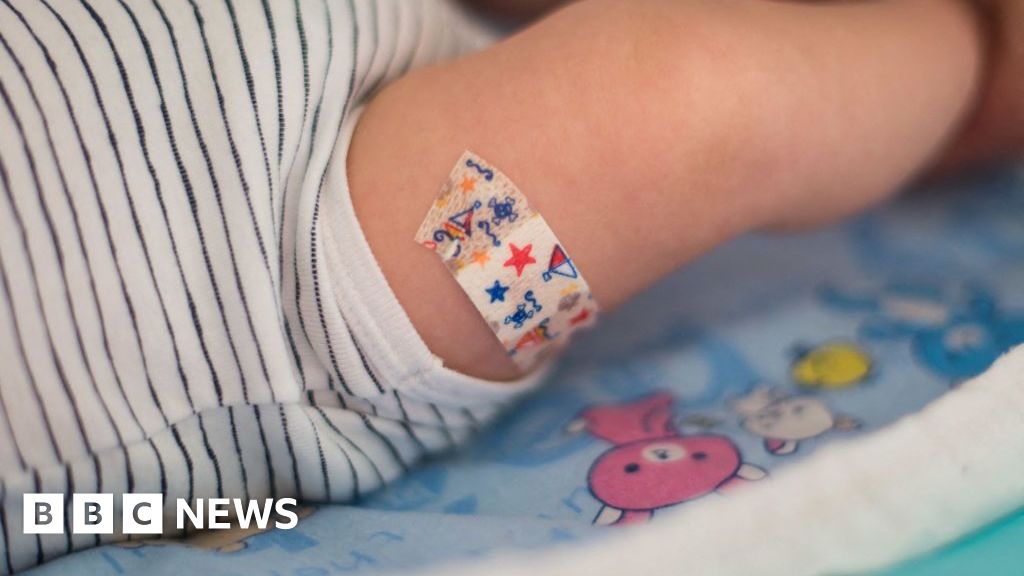
A panel of vaccine advisers in the United States has voted to discontinue a longstanding recommendation for administering the hepatitis B vaccine to newborns immediately after birth. The Advisory Committee on Immunization Practices (ACIP) approved this significant decision with an 8-3 vote, advocating for “individual-based decision-making” regarding vaccinations for infants born to mothers who have tested negative for the hepatitis B virus (HBV).
The change follows a controversial move by Health Secretary Robert F. Kennedy Jr., who dismissed all previous ACIP members and appointed new members who are critical of vaccines. Since 1991, the United States has recommended hepatitis B vaccinations for newborns, and evidence suggests these vaccinations have averted approximately 90,000 deaths during that period.
Concerns Over Public Health Impact
The ACIP’s recommendations are crucial as they guide the Centers for Disease Control and Prevention (CDC) on vaccination protocols. The acting director of the CDC retains final authority over these recommendations. Under the new guidance, infants who do not receive the birth dose of the vaccine are advised to receive their first dose no earlier than two months of age. This aspect of the recommendation faced significant opposition from several panel members.
Public health experts have expressed concern that this decision may raise unfounded safety issues surrounding the vaccine and may lead some parents to opt out, potentially resulting in increased rates of hepatitis B infections. Dr. Cody Meissner, a member of the ACIP, voiced his apprehension prior to voting, stating, “The hepatitis B vaccine recommendation is very well established. We know it’s safe and we know it’s very effective.” He cautioned that the proposed changes could lead to more cases of hepatitis B among children and adolescents.
Despite the new recommendations, the ACIP continues to endorse the birth dose of the vaccine for infants born to mothers who test positive for hepatitis B. The decision is not expected to impact insurance coverage for the vaccine, which is vital for preventing the transmission of hepatitis B from mothers to their newborns.
Global Context and Expert Opinions
Hepatitis B is a serious liver infection that can be transmitted through direct contact with bodily fluids. It poses risks of severe liver conditions, including cancer, liver failure, and cirrhosis. Pregnant individuals with the virus can transmit it to their newborns during delivery, leading to chronic infections that can cause significant health issues. Many individuals infected with HBV may not show symptoms, increasing the risk of unintentional transmission.
The ACIP’s decision came after a heated two-day meeting, during which members debated the implications of altering the vaccination schedule. Some members, including Dr. Joseph Hibbeln, described the voting outcomes as “incredibly problematic,” while Dr. Meissner criticized the motivations behind the changes as “baseless skepticism.”
In contrast, committee member Retsef Levi, who supported the adjustments, argued that the current U.S. hepatitis B vaccination policy is “misaligned” with guidelines from other countries. The World Health Organization recommends vaccinating children against HBV at zero, one, and six months. In the United Kingdom, vaccines are suggested at eight, twelve, and sixteen weeks, unless the mother tests positive for the virus.
During the meetings, numerous healthcare professionals raised concerns about the potential ramifications of moving away from universal vaccination recommendations. Supporters of the revised guidelines claimed that the risk of contracting the virus is low and that vaccination strategies should be individualized. Critics suggested that this approach could leave vulnerable infants unprotected, as not all pregnant individuals have reliable access to testing for hepatitis B.
Secretary Robert F. Kennedy Jr. and his supporters have questioned the hepatitis B vaccine’s safety and maintained that its primary transmission occurs through sexual contact and sharing needles. However, research indicates that the virus can also spread through indirect contact, such as shared toothbrushes and razors.
The ACIP’s decision to reevaluate vaccination recommendations has drawn criticism from some lawmakers. Senator Bill Cassidy, a Republican and physician, expressed disapproval of the changes, stating, “As a liver doctor who has treated patients with hepatitis B for decades, this change to the vaccine schedule is a mistake. The hepatitis B vaccine is safe and effective. The birth dose is a recommendation, NOT a mandate.”
This decision signals a pivotal shift in U.S. vaccination policy, with potential implications for public health and the safety of vulnerable populations.













Urgent: N.W.T. Schools Get Immediate Support After Lead Found

Saskatoon Cuts Solar Power Rates, Disappoints Local Business Owner

Windsor-Essex Residents Can Request Smaller Blue Bins Now

Naden Band Concert Delivers Holiday Cheer and Toys for Families

Naden Band Concert Delivers Holiday Joy and Gifts to Families

Stargazers Enjoy Spectacular Final Supermoon of 2025

US Panel Votes to End Newborn Hepatitis B Vaccination Recommendation

Canadian Gold Corp. Secures Shareholder Approval for McEwen Deal

Health Canada Recalls Thousands of Earbuds Over Fire Risk

Secwepemc First Nation Seeks Aboriginal Title Over Kamloops Area

Scientists Unearth Ancient Antarctic Ice to Unlock Climate Secrets

Trump and McCormick to Announce $70 Billion Energy Investments

Four Astronauts Return to Earth After International Space Station Mission

TransLink Launches Food Truck Program to Boost Revenue in Vancouver

Apple Notes Enhances Functionality with Markdown Support in macOS 26

Manitoba’s Burger Champion Shines Again Amid Dining Innovations

Urgent Update: Fatal Crash on Highway 99 Claims Life of Pitt Meadows Man

Ukrainian Tennis Star Elina Svitolina Faces Death Threats Online
-
 Politics4 weeks ago
Secwepemc First Nation Seeks Aboriginal Title Over Kamloops Area
-
 World5 months ago
Scientists Unearth Ancient Antarctic Ice to Unlock Climate Secrets
-
 Entertainment5 months ago
Trump and McCormick to Announce $70 Billion Energy Investments
-
 Science5 months ago
Four Astronauts Return to Earth After International Space Station Mission
-
 Lifestyle5 months ago
TransLink Launches Food Truck Program to Boost Revenue in Vancouver
-
 Technology3 months ago
Apple Notes Enhances Functionality with Markdown Support in macOS 26
-
 Lifestyle3 months ago
Manitoba’s Burger Champion Shines Again Amid Dining Innovations
-
 Top Stories2 months ago
Urgent Update: Fatal Crash on Highway 99 Claims Life of Pitt Meadows Man
-
 Politics4 months ago
Ukrainian Tennis Star Elina Svitolina Faces Death Threats Online
-

 Sports5 months ago
Search Underway for Missing Hunter Amid Hokkaido Bear Emergency
-

 Politics5 months ago
Carney Engages First Nations Leaders at Development Law Summit
-

 Technology5 months ago
Frosthaven Launches Early Access on July 31, 2025