
Science
Alberta Bans Wild Boar Farming to Combat Ecological Risks

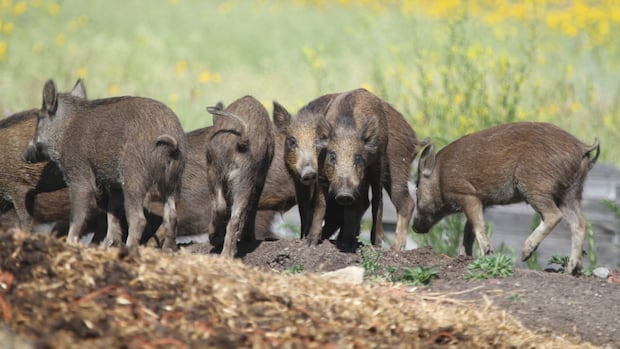
The Alberta government has declared wild boars as “a pest in all circumstances,” effective December 1, 2023. This designation introduces new restrictions on the farming and hunting of wild boars, aiming to mitigate their ecological impact and prevent the spread of diseases such as African swine fever. Under the new regulations, it is illegal to keep, buy, sell, obtain, or transport wild boars without a permit. Additionally, no new wild boar farms will be allowed in the province.
Landowners and occupants are still permitted to kill wild boars on their property, but they must now report the date, location, and number of boars killed to the province promptly. The province’s decision comes in response to the growing concerns over the ecological damage caused by wild boars, which have established feral populations primarily in Alberta and other Prairie provinces.
Hannah McKenzie, Alberta’s wild boar specialist, emphasized the dangers posed by existing populations. “In addition to damaging agriculture and the environment, wild boar pose a serious risk for the introduction and spread of foreign animal diseases, including African swine fever and foot and mouth disease,” she stated. McKenzie warned that these diseases could have a significant financial impact on the pork industry and broader livestock sector.
The province is currently collaborating with 12 existing wild boar farms, where operators have two options: adhere to stricter regulations or accept compensation to exit the industry. The government is offering a payment of $590 per boar, along with additional compensation for necessary fencing. This program is estimated to cost approximately $2.6 million, supported by a $3 million allocation in this year’s provincial budget for wild boar management.
Challenges in the pork industry are evident, as Alberta Pork’s industry programs manager, Charlotte Shipp, described the situation as a “challenging issue.” Wild boar producers also contribute to the Alberta Pork organization, complicating the response to the new regulations. “I think our government has had a challenging line to walk in balancing that risk of the industry while making sure those producers can remain vibrant parts of rural communities,” Shipp added.
The spread of African swine fever presents a considerable threat, as it is harmless to humans but can devastate pig populations. A recent outbreak among wild boars in Spain, one of the European Union’s largest pork producers, underscores the urgency of the situation.
Tracking wild boar populations remains a difficult task, according to McKenzie. “They’re very difficult to survey,” she explained, noting that traditional methods, such as aerial surveys, often fail due to the animals’ nocturnal behavior and preference for dense habitats.
Ryan Brook, a professor from the University of Saskatchewan who studies invasive wild boars, has long advocated for stricter management regulations. He described wild boars as “incredibly destructive,” highlighting their tendency to root up the ground and damage ecosystems. Brook criticized the previous reliance on sport hunting, asserting that it has not effectively reduced wild boar populations. “Hunting does not eliminate them fast enough… it also breaks up groups and spreads them around the landscape,” he noted.
Saskatchewan has also taken steps in this direction, placing a moratorium on new wild boar farms and implementing restrictions on current operations, including requirements for more surveillance and annual inspections. While these measures mark a significant shift in policy, experts like Brook argue that they may be overdue.
Overall, the Alberta government’s new regulations reflect a growing recognition of the ecological and economic risks posed by wild boars. As the situation develops, stakeholders in agriculture and wildlife management will need to navigate these changes carefully to protect both the environment and the livelihoods of those affected.










FIFA 2026 World Cup Teams Revealed: Toronto and Vancouver Set for Action

Highway 11 Reopens After Severe Weather Disruptions Today

Four Arrested After Custard Attack on Britain’s Crown Jewels

Create Festive Gingerbread House Boxes at DeKalb Library

High River Celebrates 40th Santa Claus Parade with Netflix Film Crew

Alberta Bans Wild Boar Farming to Combat Ecological Risks

Celebrate the Holidays with Nutritious and Fun Drink Recipes

Real Estate Stocks Decline 1.50% Amid Uncertain 2025 Outlook

Apple and Intel Team Up: iPhone Chips by 2028 Could Revolutionize Tech

Secwepemc First Nation Seeks Aboriginal Title Over Kamloops Area

Scientists Unearth Ancient Antarctic Ice to Unlock Climate Secrets

Trump and McCormick to Announce $70 Billion Energy Investments

Four Astronauts Return to Earth After International Space Station Mission

TransLink Launches Food Truck Program to Boost Revenue in Vancouver

Apple Notes Enhances Functionality with Markdown Support in macOS 26

Manitoba’s Burger Champion Shines Again Amid Dining Innovations

Urgent Update: Fatal Crash on Highway 99 Claims Life of Pitt Meadows Man

Ukrainian Tennis Star Elina Svitolina Faces Death Threats Online
-
 Politics4 weeks ago
Secwepemc First Nation Seeks Aboriginal Title Over Kamloops Area
-
 World5 months ago
Scientists Unearth Ancient Antarctic Ice to Unlock Climate Secrets
-
 Entertainment5 months ago
Trump and McCormick to Announce $70 Billion Energy Investments
-
 Science5 months ago
Four Astronauts Return to Earth After International Space Station Mission
-
 Lifestyle5 months ago
TransLink Launches Food Truck Program to Boost Revenue in Vancouver
-
 Technology3 months ago
Apple Notes Enhances Functionality with Markdown Support in macOS 26
-
 Lifestyle3 months ago
Manitoba’s Burger Champion Shines Again Amid Dining Innovations
-
 Top Stories2 months ago
Urgent Update: Fatal Crash on Highway 99 Claims Life of Pitt Meadows Man
-
 Politics4 months ago
Ukrainian Tennis Star Elina Svitolina Faces Death Threats Online
-
 Sports5 months ago
Search Underway for Missing Hunter Amid Hokkaido Bear Emergency
-
 Politics5 months ago
Carney Engages First Nations Leaders at Development Law Summit
-
 Top Stories1 week ago
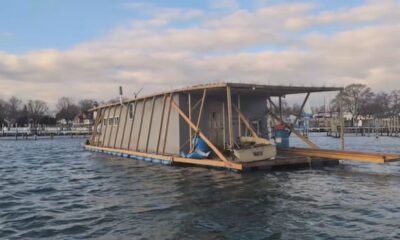
Homemade Houseboat ‘Neverlanding’ Captivates Lake Huron Voyagers