
Science
Alberta Declares Wild Boars a Pest, Implements Strict New Rules

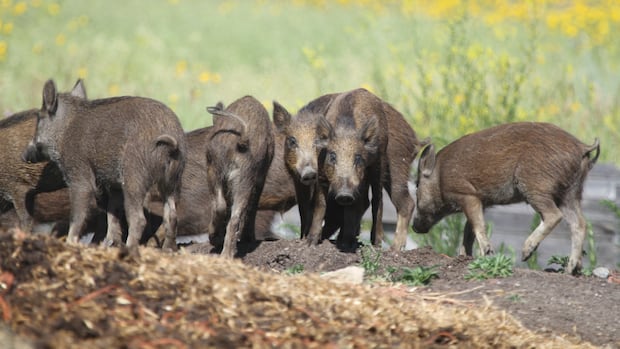
The Alberta government has officially classified wild boars as “a pest in all circumstances,” effective **December 1, 2023**. This designation introduces stringent new regulations on the management of wild boars, including prohibitions against keeping them in captivity and hunting them in the wild without a permit. Under these new guidelines, it is now illegal to buy, sell, obtain, or transport wild boars in the province, and no new wild boar farms will be permitted.
The hunting and trapping of wild boars is largely forbidden, except for landowners or occupants who may kill the animals on their own land. Individuals who do kill a wild boar are now required to report the date, location, and number of boars killed to provincial authorities promptly. These actions are part of an effort to address the ecological and agricultural threats posed by growing wild boar populations in Alberta.
According to **Hannah McKenzie**, Alberta’s wild boar specialist, the decision to impose these restrictions stems from significant concerns regarding the risks posed by existing populations. “In addition to damaging agriculture and the environment, wild boar pose a serious risk for the introduction and spread of foreign animal diseases, including **African swine fever** and foot-and-mouth disease,” McKenzie explained. She emphasized that these diseases could have severe financial implications for the pork industry and broader livestock operations in Alberta.
The issue of wild boars is not unique to Alberta. They are a hybrid of the Eurasian wild pig and domestic swine, originally brought to Canada in the late 20th century for livestock purposes. As some escaped captivity, they established feral populations primarily in the Prairie provinces, leading to growing concerns about their spread.
McKenzie noted that Alberta is currently working with twelve existing wild boar farms. These farms can choose to retain their wild boars under stricter conditions, or they can accept compensation from the province to exit the industry. The province is offering **$590 per boar** along with additional per-linear-foot compensation for fencing, with the overall management program estimated to cost around **$2.6 million**. This initiative comes as part of a broader budget of **$3 million** allocated for wild boar management in the province this fiscal year.
The changes have sparked a complex reaction within the pork industry. **Charlotte Shipp**, Alberta Pork’s industry programs manager, has acknowledged the challenging position of wild boar producers, who are also integral to the organization. “Wild boar producers are also producers for Alberta Pork, too, so it’s a difficult position to be in,” she said. Shipp highlighted that tightening restrictions and providing exit incentives represent positive steps towards managing the risks associated with wild boar farming.
The potential outbreak of African swine fever—harmless to humans but devastating to pig populations—has raised alarm in various regions. Recently, Spain reported an outbreak among wild boars, further emphasizing the urgency of control measures across Canada.
Tracking wild boar populations has proven difficult, as McKenzie pointed out, noting that traditional survey methods are often ineffective. “They’re very difficult to survey,” she said, adding that aerial surveys are hampered by the boars’ nocturnal activity and preference for dense forests.
**Ryan Brook**, a professor at the University of Saskatchewan who studies invasive wild boars, has long advocated for stricter regulations. He described the species as “incredibly destructive,” highlighting their tendency to uproot vegetation, a behavior known as rooting. Brook also noted that their lack of sweat glands drives them to wetlands, which can lead to water contamination with diseases.
Despite the new regulations, sport hunting was banned, a move Brook supports. He pointed out that hunting has not effectively reduced wild boar populations, partially due to their high reproductive rates, which can average two litters of six piglets each year.
The province’s measures reflect a growing recognition of the ecological challenges posed by wild boars. With concerns escalating about their potential spread and the associated risks to agriculture, Alberta’s new restrictions mark a significant effort to address the issue head-on.











NCC Report Sparks Urgent Debate on $4 Billion Bridge Project

Dan Ives Reveals Updated AI Leaders in Wall Street’s 30 List

Samsung Offers Up to $5,000 Savings on Select Products Until Dec. 7

Canadiens Draw Attention with Playoff Prospects and Bold Predictions

Lake County Hosts Career Expo to Launch Future Careers

Tunisians Rally for Freedom, Demand Release of Jailed Activists

Surrey Mayor Sparks Controversy Over Proposed Police Budget Hike

Two Arrested in Urgent Regina Scam Targeting Seniors

Two Vancouver Rental Towers Break Ground in 2026 After Financing Secured

Secwepemc First Nation Seeks Aboriginal Title Over Kamloops Area

Scientists Unearth Ancient Antarctic Ice to Unlock Climate Secrets

Trump and McCormick to Announce $70 Billion Energy Investments

Four Astronauts Return to Earth After International Space Station Mission

TransLink Launches Food Truck Program to Boost Revenue in Vancouver

Apple Notes Enhances Functionality with Markdown Support in macOS 26

Manitoba’s Burger Champion Shines Again Amid Dining Innovations

Urgent Update: Fatal Crash on Highway 99 Claims Life of Pitt Meadows Man

Ukrainian Tennis Star Elina Svitolina Faces Death Threats Online
-
 Politics1 month ago
Secwepemc First Nation Seeks Aboriginal Title Over Kamloops Area
-
 World5 months ago
Scientists Unearth Ancient Antarctic Ice to Unlock Climate Secrets
-
 Entertainment5 months ago
Trump and McCormick to Announce $70 Billion Energy Investments
-
 Science5 months ago
Four Astronauts Return to Earth After International Space Station Mission
-
 Lifestyle5 months ago
TransLink Launches Food Truck Program to Boost Revenue in Vancouver
-
 Technology3 months ago
Apple Notes Enhances Functionality with Markdown Support in macOS 26
-
 Lifestyle3 months ago
Manitoba’s Burger Champion Shines Again Amid Dining Innovations
-
 Top Stories2 months ago
Urgent Update: Fatal Crash on Highway 99 Claims Life of Pitt Meadows Man
-
 Politics4 months ago
Ukrainian Tennis Star Elina Svitolina Faces Death Threats Online
-
 Sports5 months ago
Search Underway for Missing Hunter Amid Hokkaido Bear Emergency
-

 Politics5 months ago
Carney Engages First Nations Leaders at Development Law Summit
-
 Top Stories1 week ago
Homemade Houseboat ‘Neverlanding’ Captivates Lake Huron Voyagers