
Health
Yukon Premier Promises Cancer Coverage for Wildland Firefighters

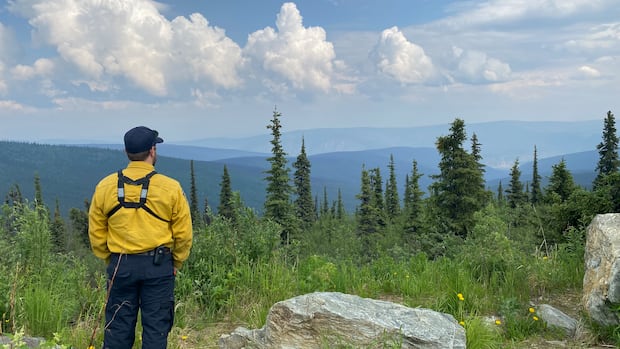
Yukon Premier Currie Dixon has confirmed his intention to include wildland firefighters under the territory’s presumptive cancer coverage. While he has expressed strong support for this initiative, Dixon has not provided a timeline for when this change will occur. Wildland firefighters have been advocating for amendments to the Yukon Workers’ Safety and Compensation Act to ensure they are covered for the same 19 types of cancers as their urban counterparts.
During his previous role as opposition leader, Dixon voiced his commitment to the amendment, stating that “it’s time this change be made.” This promise was also reflected in the Yukon Party’s campaign platform during the recent fall election. On the first day of the legislative assembly’s sitting, Dixon reiterated his government’s commitment but acknowledged that they have not yet initiated any legislative actions.
“In the two weeks we’ve been in power now, we haven’t had time to initiate any of the legislative commitments that we made throughout the election campaign,” he explained. “So you won’t see any new legislation come to the floor in the next two weeks.” He assured that these commitments would be addressed in future sessions.
The lack of coverage for wildland firefighters has become a pressing issue. Alex MacPhail, a wildland firefighter from Mayo, Yukon, has been vocal about the need for presumptive cancer coverage. He emphasized the importance of this issue for his colleagues and himself, highlighting the long-term health risks associated with the exposure to smoke and other harmful elements encountered during wildfire fighting.
“The effects of smoke and everything that comes with fighting a wildfire doesn’t just go away once the equipment is put away,” MacPhail said. He explained that there are two aspects to the exposure: the acute initial contact during firefighting and the lingering particulate matter that remains in the air.
MacPhail also expressed personal concerns about his future health, particularly as he and his partner consider starting a family. The prospect of receiving a cancer diagnosis due to his profession weighs heavily on him. “I think that it’d be nice to see those actual changes come through and be legislated,” he stated, referring to the need for presumptive cancer coverage.
The sentiment for change is echoed by Nick Mauro, CEO of Yukon First Nations Wildfire. He stressed the importance of recognizing the contributions of wildland firefighters, who often prioritize the safety of the community over their own health. Mauro countered claims that wildland firefighters face fewer risks than other firefighters due to the nature of the materials they combat.
“You’ll hear suggested that wildland fuels are mostly organic — you know trees, moss, brush — they’re less toxic than plastics or synthetics that are burning in urban fires,” Mauro noted. However, he pointed out that major public health agencies in Canada consistently warn residents to avoid outdoor activities when wildfire smoke permeates communities, regardless of the distance from the source.
Mauro emphasized the need for equal support under the compensation act for all wildland firefighters, whether they are employed by the territorial government or Yukon First Nations Wildfire. “We’re under the same command structure, breathing the same smoke. We want to see coverage for everybody, and be included in that conversation,” he said.
He called this an opportunity for Yukon to showcase its commitment to Indigenous leadership and emergency response, advocating for tangible actions that reflect that commitment. “It’s an opportunity to be, you know, not symbolic or rhetorical, but tangible reconciliatory action,” Mauro concluded.
As the government prepares to address this pressing issue, the call for presumptive cancer coverage for wildland firefighters continues to resonate throughout the territory, highlighting the essential role these individuals play in safeguarding the community while facing significant health risks.












Accused B.C. Extortionist Fled Canada on Expired Visa, Now in India

Calgary Police Urge Parents to Combat Rising AI Porn Threat

Illinois Valley Alzheimer’s Support Group to Meet December 15

OS Therapies Achieves Key Regulatory Milestone for OST-HER2

Google Unveils XREAL’s Project Aura Smart Glasses at Android Show

Lightning Suffer Fourth Straight Loss Before Match with Habs

Bluewater District Schools Achieve Significant Gains in EQAO Scores

Local Authors Release Must-Read Books Ahead of Holiday Season

Snow Squalls Hit Northern Ontario with Up to 40cm Expected!

Secwepemc First Nation Seeks Aboriginal Title Over Kamloops Area

Scientists Unearth Ancient Antarctic Ice to Unlock Climate Secrets

Trump and McCormick to Announce $70 Billion Energy Investments

Four Astronauts Return to Earth After International Space Station Mission

TransLink Launches Food Truck Program to Boost Revenue in Vancouver

Apple Notes Enhances Functionality with Markdown Support in macOS 26

Manitoba’s Burger Champion Shines Again Amid Dining Innovations

Urgent Update: Fatal Crash on Highway 99 Claims Life of Pitt Meadows Man

Homemade Houseboat ‘Neverlanding’ Captivates Lake Huron Voyagers
-
 Politics1 month ago
Secwepemc First Nation Seeks Aboriginal Title Over Kamloops Area
-
 World5 months ago
Scientists Unearth Ancient Antarctic Ice to Unlock Climate Secrets
-
 Entertainment5 months ago
Trump and McCormick to Announce $70 Billion Energy Investments
-
 Science5 months ago
Four Astronauts Return to Earth After International Space Station Mission
-
 Lifestyle5 months ago
TransLink Launches Food Truck Program to Boost Revenue in Vancouver
-
 Technology3 months ago
Apple Notes Enhances Functionality with Markdown Support in macOS 26
-
 Lifestyle3 months ago
Manitoba’s Burger Champion Shines Again Amid Dining Innovations
-
 Top Stories2 months ago
Urgent Update: Fatal Crash on Highway 99 Claims Life of Pitt Meadows Man
-
 Top Stories2 weeks ago
Homemade Houseboat ‘Neverlanding’ Captivates Lake Huron Voyagers
-

 Politics4 months ago
Ukrainian Tennis Star Elina Svitolina Faces Death Threats Online
-
 Sports5 months ago
Search Underway for Missing Hunter Amid Hokkaido Bear Emergency
-
 Politics5 months ago
Carney Engages First Nations Leaders at Development Law Summit