
Top Stories
Conservative MP Faces Backlash Over Pipeline Support Shift


URGENT UPDATE: British Columbia MP Ellis Ross is facing intense scrutiny after shifting his stance on a controversial pipeline project. Once a staunch opponent of the bitumen pipeline during his tenure as chief councillor of the Haisla Nation, Ross now supports the initiative, raising questions about his commitment to Indigenous interests.
This significant development comes as the project gains momentum, with construction set to begin shortly. The pipeline, which runs through northwest British Columbia, has been met with fierce resistance from environmental groups and Indigenous leaders alike. Critics argue that Ross’s change in position undermines the very community he once represented.
Ross, who was elected as a member of the Conservative Party, has defended his new stance, citing potential economic benefits and job creation as crucial factors in his decision. “We need to look at the bigger picture,” Ross stated in a recent interview, emphasizing the importance of development for the region. However, many are unconvinced, viewing this shift as a betrayal of the Haisla Nation’s values.
The Haisla Nation has been vocal in their opposition to the pipeline, concerned about potential environmental risks and the impact on traditional lands. This latest move by Ross has sparked outrage among community members and activists. “It’s disappointing to see someone who once stood with us now standing against us,” said Haisla Nation spokesperson, Kathy O’Neill.
The situation has escalated rapidly, with protests planned in the coming days as community members rally against Ross’s decision. Local leaders are urging the federal government to reconsider the project, citing the need for sustainable and responsible development that respects Indigenous rights.
As tensions rise, all eyes are on Ross and the Conservative Party to see how they will navigate this backlash. Critics are calling for accountability, demanding that the voices of Indigenous peoples be prioritized in discussions about resource development.
With construction looming, the outcome of this debate could have lasting implications for both the Haisla Nation and the broader British Columbia region. Stakeholders are bracing for a heated battle as public sentiment grows more polarized.
Stay tuned for updates as this story develops. The stakes are high, and the community’s future hangs in the balance.










RCMP Investigates Serious Highway 2 Crash South of Calgary

Russell 2000 Challenges $252 Resistance as Bitcoin Rebounds

Small Plane Crashes onto Car During Emergency Landing in Florida

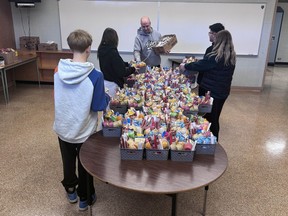
École Notre-Dame-du-Sault Students Create Blankets for Local Women

United Airlines Launches Historic Non-Stop Route to Adelaide

Vancouver City Council Reverses Decision on Advisory Committees

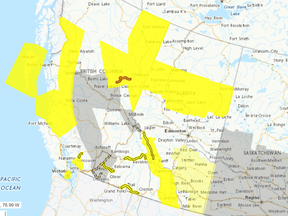
Urgent Alert: Snow and Extreme Cold Hit Northern Alberta, B.C.

Port Moody Scraps Key Retrofit, Calls for Climate Plan Reevaluation

Conservative MP Faces Backlash Over Pipeline Support Shift

Secwepemc First Nation Seeks Aboriginal Title Over Kamloops Area

Scientists Unearth Ancient Antarctic Ice to Unlock Climate Secrets

Trump and McCormick to Announce $70 Billion Energy Investments

Four Astronauts Return to Earth After International Space Station Mission

TransLink Launches Food Truck Program to Boost Revenue in Vancouver

Apple Notes Enhances Functionality with Markdown Support in macOS 26

Manitoba’s Burger Champion Shines Again Amid Dining Innovations

Urgent Update: Fatal Crash on Highway 99 Claims Life of Pitt Meadows Man

Homemade Houseboat ‘Neverlanding’ Captivates Lake Huron Voyagers
-
 Politics1 month ago
Secwepemc First Nation Seeks Aboriginal Title Over Kamloops Area
-
 World5 months ago
Scientists Unearth Ancient Antarctic Ice to Unlock Climate Secrets
-
 Entertainment5 months ago
Trump and McCormick to Announce $70 Billion Energy Investments
-
 Science5 months ago
Four Astronauts Return to Earth After International Space Station Mission
-
 Lifestyle5 months ago
TransLink Launches Food Truck Program to Boost Revenue in Vancouver
-
 Technology3 months ago
Apple Notes Enhances Functionality with Markdown Support in macOS 26
-
 Lifestyle3 months ago
Manitoba’s Burger Champion Shines Again Amid Dining Innovations
-
 Top Stories2 months ago
Urgent Update: Fatal Crash on Highway 99 Claims Life of Pitt Meadows Man
-
 Top Stories2 weeks ago
Homemade Houseboat ‘Neverlanding’ Captivates Lake Huron Voyagers
-

 Politics4 months ago
Ukrainian Tennis Star Elina Svitolina Faces Death Threats Online
-

 Sports5 months ago
Search Underway for Missing Hunter Amid Hokkaido Bear Emergency
-
 Politics5 months ago
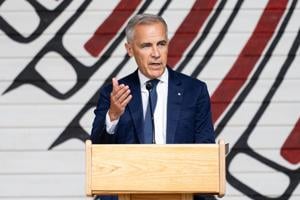
Carney Engages First Nations Leaders at Development Law Summit