
Science
University of Manitoba Researchers Explore Genetic Testing for Mental Health Medications

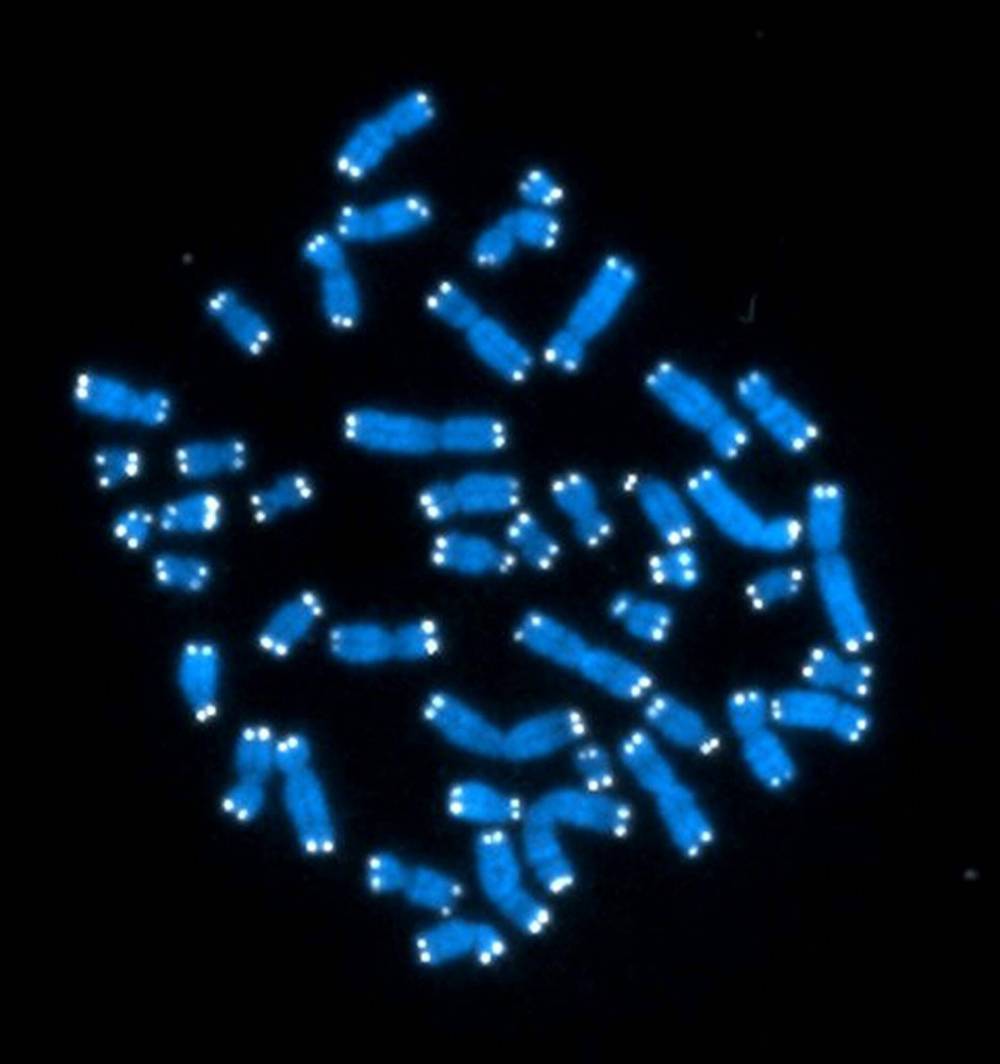
A team of researchers from the University of Manitoba is launching a study aimed at improving mental health treatment through genetic testing. The initiative seeks to eliminate uncertainty in prescribing medications by offering pharmacogenomic testing to participants, potentially transforming how mental health conditions are treated.
This research will provide free genetic testing for 200 adults who are either starting a new medication or switching from their current treatment. The goal is to tailor mental health medications based on each individual’s unique genetic profile. As explained by Dr. Abdullah Maruf, the lead investigator and assistant professor in the university’s College of Pharmacy, many individuals with mental health conditions often endure a lengthy process of trial and error with various medications. “Sometimes it takes months or years to find a treatment that works with fewer side effects,” he stated.
Pharmacogenomic testing assesses how a person’s genetic makeup influences their response to specific medications. Currently, such testing is privately available in Manitoba, costing approximately $500 out-of-pocket. While some private insurance plans may cover certain tests, there is no provision for public health coverage in any Canadian province. The research team hopes this study will pave the way for broader access to genetic testing within the public health system.
Potential Economic Benefits of Genetic Testing
The implications of this research extend beyond individual patient care. Dr. Jitender Sareen, head of psychiatry at the Max Rady College of Medicine, cited a 2023 study from British Columbia, which suggested that universal access to genetic testing for depression could save the province $1 billion in health care costs over 20 years. This testing could significantly narrow down medication options, reducing the number of potential treatments from as many as 40 to perhaps five or ten.
Dr. Sareen emphasized that the aim of the research is to influence health policy by demonstrating that pharmacogenomic testing is a cost-effective intervention. “We’re trying to continue to make this more available in inpatient and outpatient settings,” he said. By allowing for quicker identification of effective treatments, this testing could help prevent delays in recovery, thereby reducing frustration for patients and potentially decreasing hospitalizations.
Collaboration and Support for the Study
The initiative has garnered financial support, receiving $70,000 from the Health Sciences Centre Foundation and $50,000 from the university’s psychiatry department. Funding is designated for the recruitment of patients through to 2027, but Dr. Maruf expressed hopes that additional funding could allow for an increased number of participants and further investigate the potential of genetic testing to lower hospitalization rates in Manitoba.
To participate, individuals must be referred by a physician, who can submit a referral form to the research team. Eligible patients will be required to complete a survey and provide a saliva sample for analysis.
The importance of this research is underscored by the prevalence of mental health disorders, with over one in four adults in Manitoba experiencing some form of mental illness. Health Minister Uzoma Asagwara acknowledged the initiative, stating that any new additions to the public health system would necessitate thorough evaluation. “We appreciate the efforts of Manitoba researchers and look forward to reviewing the study results once they are available,” Asagwara said.
This groundbreaking research at the University of Manitoba stands to make a significant impact on mental health treatment, offering hope for more personalized, effective medication strategies while potentially reshaping public health policies in Canada.













Ottawa Plans $1 Million Security Pilot for ByWard Market

Quebec Cree Families Unite for Boarding Home Compensation Claims

Bursey’s Bus Service Offers Free Rides for Students with Accessibility Needs

Chloé Zhao’s *Hamnet* Explores Shakespeare’s Heartbreaking Loss

University of Manitoba Researchers Explore Genetic Testing for Mental Health Medications

Health Minister Targets Full Primary Care Access Amid Backlog

Quebec Cree Families Surge in Boarding Home Compensation Claims

Trump Announces Pardon for Colorado Election Official Convicted of Fraud

Steve Nease’s Latest Cartoon Sparks Conversations on December 12

Secwepemc First Nation Seeks Aboriginal Title Over Kamloops Area

Scientists Unearth Ancient Antarctic Ice to Unlock Climate Secrets

Trump and McCormick to Announce $70 Billion Energy Investments

TransLink Launches Food Truck Program to Boost Revenue in Vancouver

Four Astronauts Return to Earth After International Space Station Mission

Manitoba’s Burger Champion Shines Again Amid Dining Innovations

Apple Notes Enhances Functionality with Markdown Support in macOS 26

Urgent Update: Fatal Crash on Highway 99 Claims Life of Pitt Meadows Man

Homemade Houseboat ‘Neverlanding’ Captivates Lake Huron Voyagers
-
 Politics1 month ago
Secwepemc First Nation Seeks Aboriginal Title Over Kamloops Area
-
 World5 months ago
Scientists Unearth Ancient Antarctic Ice to Unlock Climate Secrets
-
 Entertainment5 months ago
Trump and McCormick to Announce $70 Billion Energy Investments
-
 Lifestyle5 months ago
TransLink Launches Food Truck Program to Boost Revenue in Vancouver
-
 Science5 months ago
Four Astronauts Return to Earth After International Space Station Mission
-
 Lifestyle3 months ago
Manitoba’s Burger Champion Shines Again Amid Dining Innovations
-
 Technology4 months ago
Apple Notes Enhances Functionality with Markdown Support in macOS 26
-
 Top Stories2 months ago
Urgent Update: Fatal Crash on Highway 99 Claims Life of Pitt Meadows Man
-
 Top Stories2 weeks ago
Homemade Houseboat ‘Neverlanding’ Captivates Lake Huron Voyagers
-

 Politics4 months ago
Ukrainian Tennis Star Elina Svitolina Faces Death Threats Online
-

 Sports5 months ago
Search Underway for Missing Hunter Amid Hokkaido Bear Emergency
-

 Politics5 months ago
Carney Engages First Nations Leaders at Development Law Summit