
Technology
Innovative Tray210 Redefines Recycled Plastic Design Aesthetics

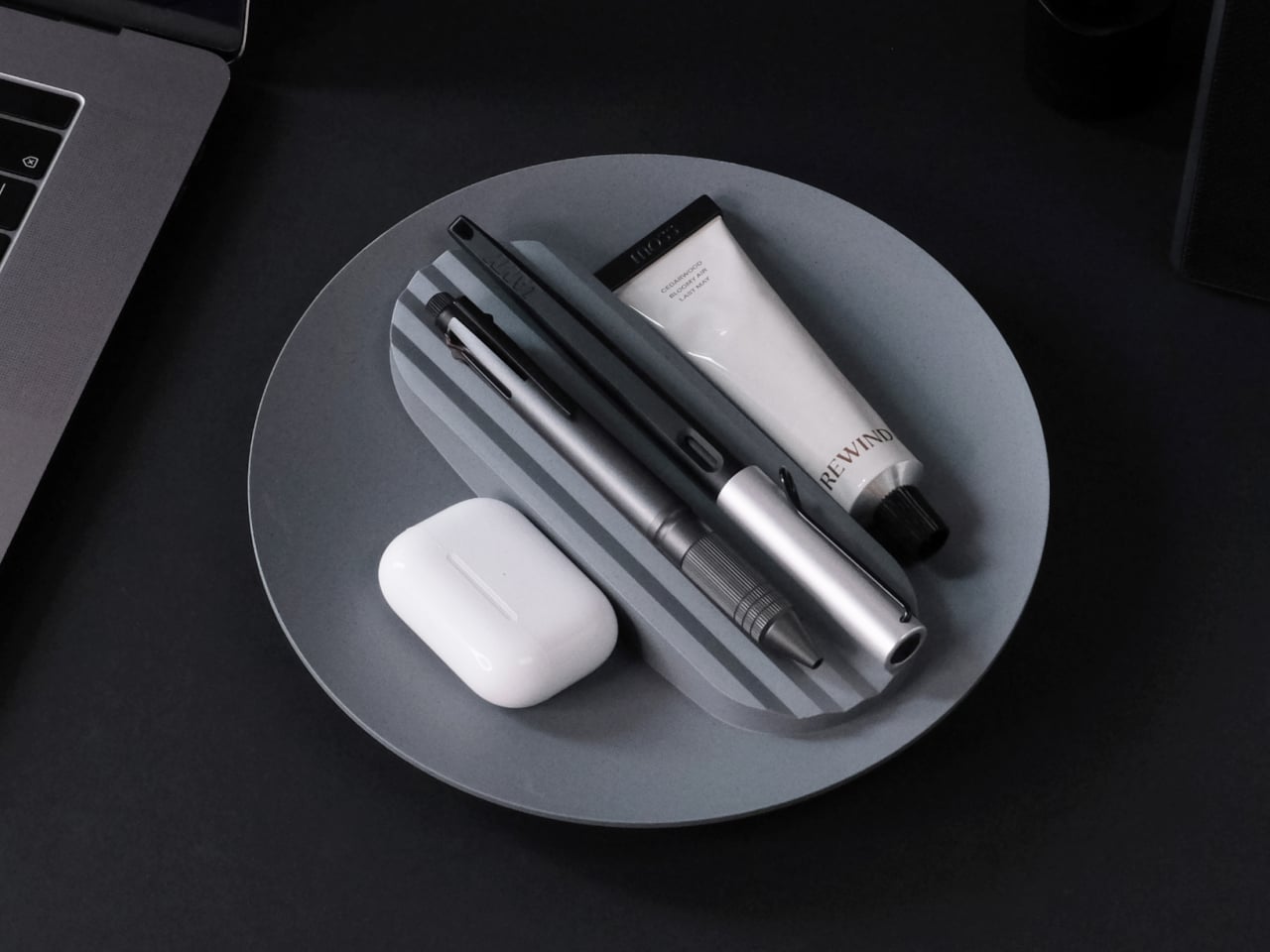
The launch of the Tray210 recycled tray marks a significant advancement in the design of recycled plastic products. Developed through a collaboration between the South Korean studio intenxiv and the manufacturer INTOPS, under the rmrp brand, this product aims to challenge the conventional perceptions of recycled materials. Unlike typical grey bins or overly colorful, experimental designs, Tray210 emphasizes both aesthetics and functionality, transforming recycled plastic into a desirable object.
The Tray210 recycled is a circular tray measuring 210 mm in diameter, featuring three compartments. This design is an evolution of the original Tray210, integrating insights from INTOPS’ grecipe eco-material platform and hida’s color, material, and finish (CMF) proposals. This meticulous process reflects a commitment to material science and industrial design, aiming to break away from the conventional cheap recycled image. The tray is designed to be prominently displayed rather than hidden away, aligning with contemporary design values.
The intuitive form of the Tray210 allows for easy use. A raised, ribbed bar runs across the middle of the tray, with two shallow wells flanking it. The central groove accommodates items like pens, pencils, or chopsticks, while the side compartments are ideal for storing smaller items such as earbuds, paperclips, or rings. This straightforward layout ensures users can navigate the tray’s functionality at a glance, without the need for instructions.
What makes the Tray210 recycled particularly compelling is its unique material composition. The tray is crafted from multiple recycled blends that reflect their sources. The Clam and Wood variants incorporate 80 percent recycled polypropylene (PP) with shell and wood waste. The Charcoal version adds 15 percent charcoal to 80 percent recycled PP, while the Stone variant utilizes between 10 to 50 percent recycled acrylonitrile butadiene styrene (ABS). Additionally, the Transparent and Marble options feature recycled polycarbonate (PC) or PCABS blended with ceramic particles or marble-like pigments. Each colorway is intentionally linked to its waste stream, emphasizing transparency in material sourcing.
The design ethos of Tray210 recycled aligns closely with the lifestyle that rmrp seeks to promote. The Clam and Wood versions present soft, muted pastels with subtle speckling. The Charcoal variant offers a deep, architectural grey, while Stone and Transparent versions embrace translucency and texture. Instead of concealing the recycled content, the design highlights it, presenting the materials in a way that is visually appealing and engaging.
The combination of clear zoning and tactile surfaces ensures that the Tray210 recycled can seamlessly integrate into various environments, such as desks, entryway shelves, or bedside tables. The central groove keeps essential items within reach, while the side wells collect miscellaneous items that often clutter spaces. Consumers can choose a version that complements their preferred aesthetic, whether that be calm, earthy, industrial, or playful.
Ultimately, the Tray210 recycled exemplifies the potential of thoughtful design to elevate recycled materials. It does not claim to solve environmental issues single-handedly but demonstrates how recycled plastic can be transformed into an object that is not only functional but also visually appealing. For individuals who prioritize both the utility and the origin of their possessions, this product represents a meaningful improvement over typical catch-all trays that often end up hidden away in drawers.
The introduction of Tray210 recycled shows a promising direction for the future of sustainable design, merging practicality with a commitment to environmental responsibility.













Forreston Cardinals Triumph Over Polo in Holiday Tournament Showdown

Forreston Cardinals Surge Past Polo in Thrilling 64-52 Victory

Aldergrove Youth Invited to Join Leadership Camp in Chilliwack

Victoria Hosts Exciting Christmas Big Bands Showdown

AI Predicts Osteoarthritis Progression, Transforming Patient Care

Victoria Plans New Cardiology Services to Address Patient Wait Times

Daily Political Insights: Market Reactions on December 14, 2025

U.S. Women’s Hockey Dominates Canada 4-1, Sweeps Rivalry Series

Calgary Roughnecks Fall Again in Heartbreaking 11-10 Loss to Rock

Secwepemc First Nation Seeks Aboriginal Title Over Kamloops Area

Scientists Unearth Ancient Antarctic Ice to Unlock Climate Secrets

Trump and McCormick to Announce $70 Billion Energy Investments

TransLink Launches Food Truck Program to Boost Revenue in Vancouver

Four Astronauts Return to Earth After International Space Station Mission

Manitoba’s Burger Champion Shines Again Amid Dining Innovations

Apple Notes Enhances Functionality with Markdown Support in macOS 26

Urgent Update: Fatal Crash on Highway 99 Claims Life of Pitt Meadows Man

Homemade Houseboat ‘Neverlanding’ Captivates Lake Huron Voyagers
-
 Politics1 month ago
Secwepemc First Nation Seeks Aboriginal Title Over Kamloops Area
-
 World5 months ago
Scientists Unearth Ancient Antarctic Ice to Unlock Climate Secrets
-
 Entertainment5 months ago
Trump and McCormick to Announce $70 Billion Energy Investments
-
 Lifestyle5 months ago
TransLink Launches Food Truck Program to Boost Revenue in Vancouver
-
 Science5 months ago
Four Astronauts Return to Earth After International Space Station Mission
-
 Lifestyle3 months ago
Manitoba’s Burger Champion Shines Again Amid Dining Innovations
-
 Technology4 months ago
Apple Notes Enhances Functionality with Markdown Support in macOS 26
-
 Top Stories2 months ago
Urgent Update: Fatal Crash on Highway 99 Claims Life of Pitt Meadows Man
-
 Top Stories2 weeks ago
Homemade Houseboat ‘Neverlanding’ Captivates Lake Huron Voyagers
-

 Politics4 months ago
Ukrainian Tennis Star Elina Svitolina Faces Death Threats Online
-

 Sports5 months ago
Search Underway for Missing Hunter Amid Hokkaido Bear Emergency
-

 Politics5 months ago
Carney Engages First Nations Leaders at Development Law Summit