
Health
Saskatchewan Faces MRT Shortage Amid Rising Mammogram Demand

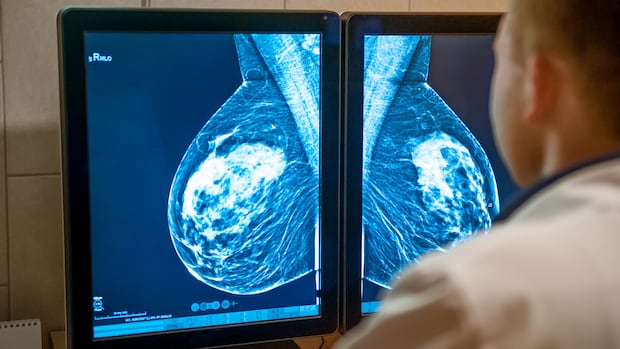
Saskatchewan is grappling with a significant shortage of medical radiation technologists (MRTs), a situation exacerbated by rising demand for mammogram screenings. As the province prepares to lower the age qualification for mammogram bookings from 50 to 40, advocates stress that increasing MRT staffing is crucial to reducing wait times for women seeking these essential services.
The Ministry of Health is implementing a phased approach to this change, which will allow women aged 40 and older to book mammograms without a doctor’s referral by June 2024. Currently, women aged 43 and above qualify for screenings. The urgency surrounding this staffing issue is underscored by the fact that only nine full-time MRT positions have been created outside Saskatoon and Regina since January 2024, with four of these positions still unfilled.
Recent data reveals the distribution of the newly established MRT positions: two in Moose Jaw, two in Weyburn, one in North Battleford, one in Prince Albert, one in Lloydminster, and one in Yorkton. Recruitment efforts are ongoing, particularly for the vacancies in North Battleford, Moose Jaw, and Weyburn. The province has introduced incentive packages, including the Rural and Remote Recruitment Incentive, offering up to $50,000 for qualified candidates.
In a recent interview with CBC Saskatchewan, Health Minister Jeremy Cockrill emphasized the importance of these incentives for regional centres, stating, “The more patients that we can keep in regional centres without needing to come to Regina, Saskatoon, obviously there’s the travel and inconvenience piece too, but having care as close to home as possible is so important for people.”
Challenges in Recruitment and Training
Despite these efforts, the province faces ongoing challenges in recruiting and retaining MRTs. Currently, there are seven vacant part-time MRT positions in Regina, Saskatoon, and the mobile mammogram unit. Concerns have been raised regarding the high tuition costs for MRT programs, specifically at Sask. Polytechnic, where training can cost up to $33,660, significantly more than similar programs in other provinces. For example, tuition at Manitoba’s RRC Polytech is less than half that amount.
Dr. Dennis Kendel, a retired physician and health policy consultant, noted that high educational costs deter potential candidates. He pointed out, “It depends on how well we’re compensating our MRTs,” suggesting that financial incentives and competitive salaries are vital to retaining MRTs in the province.
The Ministry of Health reported that 27 students graduated from the Sask. Polytechnic MRT program in 2025, with numbers expected to rise to 50 by 2027. There are currently 90 seats in the program, indicating a need for more training opportunities to meet the growing demand.
Union Concerns and Recommendations
The Canadian Union of Public Employees (CUPE) has voiced concerns about the province’s slow progress in filling MRT positions. Bashir Jalloh, president of CUPE Local 5430, criticized the government for considering contracting out work rather than hiring permanent staff. He stated, “It is terrible… instead of them trying to do something to recruit for those positions, they are opting to try to contract it out.”
Jalloh highlighted low starting wages for MRTs in Saskatchewan as a major factor contributing to the workforce shortage. He explained that many MRTs leave for better-paying positions in provinces like Manitoba, which offers higher starting salaries. “Most of these students finish school with a high, high number of student loan debt. Therefore, they are not going to go to those rural communities because when you go to the rural communities you are only doing one job,” he said.
To address the staffing crisis, Jalloh suggested that the province should increase the number of training seats at Sask. Polytechnic and implement financial incentives for students. He proposed a Return to Service agreement, which would cover tuition in exchange for a commitment to work in specific areas after graduation.
Improving Access to Breast Health Services
Despite the challenges, there have been improvements in wait times for breast biopsies in Regina. The waitlist, which peaked at over 300 patients in 2025, has significantly decreased, with only 51 patients reported as of January 2, 2026. Cockrill noted the importance of ensuring that women have timely access to these services close to home.
The province has also seen a reduction in the number of women traveling to Calgary for breast biopsies, with the number of patients receiving biopsies in Calgary dropping from 351 in 2024-25 to 176 in the first three quarters of 2025-26. This trend is encouraging for health advocates who stress the importance of early detection.
Dr. Kendel expressed hope that the number of women needing to travel for biopsies will continue to decline, emphasizing the necessity of having sufficient local capacity for breast health services. “I really do think we need to have sufficient capacity in our own province, so that you can get it in a very timely manner,” he said.
The Saskatchewan government faces a critical challenge in addressing the MRT shortage while simultaneously expanding access to essential health services. The success of recruitment efforts and the implementation of innovative solutions will be vital in ensuring that women in the province receive the timely care they need.













Chef Jason Sawision Triumphs with Bronze at Canadian Culinary Championship

Scientists Harness Carrot Waste to Grow Fungi for Protein Source

Victoria Counsellors Launch Innovative Podcast to Enhance Mental Health Access

Eglinton Crosstown LRT Launches in Toronto After 5,000 Days

Strategy Transforms into Leveraged Bitcoin Vehicle Amid $12.4B Loss

Ride App Faces Off Against Google Maps in Transport Challenge

Liam Draxl Secures Dramatic Davis Cup Victory for Canada

Canada Must Revise Education Strategies to Improve Math Scores

American Airlines: A Century of Evolution and Dominance

Secwepemc First Nation Seeks Aboriginal Title Over Kamloops Area

Scientists Unearth Ancient Antarctic Ice to Unlock Climate Secrets

Urgent Fire Erupts at Salvation Army on Christmas Evening

Canadian Curler E.J. Harnden Announces Retirement from Competition

Manitoba’s Burger Champion Shines Again Amid Dining Innovations

Fatal Crash on Highway 11 Claims Three Lives, Major Closure Ongoing

Trump and McCormick to Announce $70 Billion Energy Investments

Four Astronauts Return to Earth After International Space Station Mission

TransLink Launches Food Truck Program to Boost Revenue in Vancouver
-
 Politics3 months ago
Secwepemc First Nation Seeks Aboriginal Title Over Kamloops Area
-
 World7 months ago
Scientists Unearth Ancient Antarctic Ice to Unlock Climate Secrets
-
 Top Stories1 month ago
Urgent Fire Erupts at Salvation Army on Christmas Evening
-
 Sports1 month ago
Canadian Curler E.J. Harnden Announces Retirement from Competition
-
 Lifestyle5 months ago
Manitoba’s Burger Champion Shines Again Amid Dining Innovations
-
 Top Stories2 months ago
Fatal Crash on Highway 11 Claims Three Lives, Major Closure Ongoing
-
 Entertainment7 months ago
Trump and McCormick to Announce $70 Billion Energy Investments
-
 Science7 months ago
Four Astronauts Return to Earth After International Space Station Mission
-
 Lifestyle7 months ago
TransLink Launches Food Truck Program to Boost Revenue in Vancouver
-

 Technology5 months ago
Apple Notes Enhances Functionality with Markdown Support in macOS 26
-

 Top Stories1 month ago
Blue Jays Sign Kazuma Okamoto: Impact on Bo Bichette’s Future
-

 Top Stories2 months ago
NHL Teams Inquire About Marc-André Fleury’s Potential Return