
Business
Japan Resists U.S. Pressure to Halt Russian Energy Imports

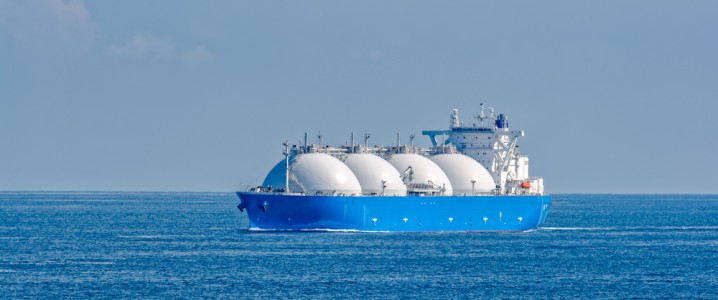
Japan’s Trade Minister Yoji Muto affirmed that the country will prioritize its national interests regarding energy imports, rejecting recent calls from the Trump administration to suspend all purchases of Russian oil and gas. This statement comes after a meeting between U.S. Treasury Secretary Scott Bessent and Japanese Finance Minister Katsunobu Kato, where Bessent urged Japan to cease its imports.
“Since the invasion of Ukraine, Japan has been steadily reducing its dependence on Russian energy,” Muto stated during a press briefing, as reported by Reuters. Japan’s stance reflects a complex balancing act between adhering to international pressures and maintaining its energy security.
Japan’s Energy Security and Russian Imports
In September 2023, Japan lowered the price cap on Russian crude from $60 to $47.60, aligning with its G7 partners. However, Japanese officials indicated that this adjustment was largely symbolic, as the country holds a waiver from the price cap due to the critical role Russian oil plays in its energy supply. Muto highlighted that liquefied natural gas (LNG) from Sakhalin-2 is vital for Japan, accounting for approximately 3% of the nation’s electricity generation.
While this percentage may appear modest, it is significant considering Japan’s economic size and energy needs. The nation relies heavily on imported energy to fuel its economy, with Russian hydrocarbons playing a key role in that mix.
The pressure from the Trump administration is part of a broader campaign targeting major importers of Russian energy. The rationale is to cut off the financial resources that support Russia’s military actions in Ukraine. Despite these efforts, analysts suggest that Japan’s unique energy circumstances make it unlikely to fully comply with U.S. demands.
Impact of Sanctions on Russia
The sanctions and fluctuating prices on the global market have already negatively impacted Russian energy export revenues. However, these measures have not deterred Moscow from pursuing its objectives in Ukraine, which it describes as a special military operation. The ongoing situation highlights the challenges faced by countries attempting to navigate international sanctions while ensuring their own energy stability.
Although Japan’s actions may appear to align with broader Western efforts to isolate Russia economically, the country remains committed to its energy strategy, reflecting the intricate dynamics of global energy markets. With relations between nations evolving, Japan’s approach underscores the complexities of energy diplomacy in today’s geopolitical landscape.













Morris Churches Unite for Annual Good Friday Walk With the Cross

Chloe Zhao’s ‘Buffy’ Reboot Cancelled: Sarah Michelle Gellar Speaks Out

Essential Ingredients for Life Found in Ryugu Asteroid Samples

Urgent Rescue: NSR Airlifts Injured Climber from Nanaimo

Riverside Heart Ball Achieves Record $815,000 for Mental Health

Cognizant Launches AI Factory to Enhance Enterprise AI Scalability

Samsung’s Galaxy Watch 9 to Feature Larger Battery Than Before

Toronto’s AIDS Memorial Faces Potential Redesign Amid Community Concerns

Bayern Munich Loses Luis Díaz Red Card Appeal Despite Referee’s Admission

Secwepemc First Nation Seeks Aboriginal Title Over Kamloops Area

Fatal Crash on Highway 11 Claims Three Lives, Major Closure Ongoing

Manitoba’s Burger Champion Shines Again Amid Dining Innovations

Canadian Curler E.J. Harnden Announces Retirement from Competition

Urgent Fire Erupts at Salvation Army on Christmas Evening

Scientists Unearth Ancient Antarctic Ice to Unlock Climate Secrets

Minister Faces Scrutiny Over Delayed Foreign Interference Watchdog Appointment

Trump and McCormick to Announce $70 Billion Energy Investments

Monika Hibbs Unveils Acres Market & Interiors in Major Rebrand
-
 Politics5 months ago
Secwepemc First Nation Seeks Aboriginal Title Over Kamloops Area
-
 Top Stories4 months ago
Fatal Crash on Highway 11 Claims Three Lives, Major Closure Ongoing
-
 Lifestyle7 months ago
Manitoba’s Burger Champion Shines Again Amid Dining Innovations
-
 Sports3 months ago
Canadian Curler E.J. Harnden Announces Retirement from Competition
-
 Top Stories3 months ago
Urgent Fire Erupts at Salvation Army on Christmas Evening
-
 World9 months ago
Scientists Unearth Ancient Antarctic Ice to Unlock Climate Secrets
-
 World5 months ago
Minister Faces Scrutiny Over Delayed Foreign Interference Watchdog Appointment
-
 Entertainment9 months ago
Trump and McCormick to Announce $70 Billion Energy Investments
-
 Lifestyle9 months ago
Monika Hibbs Unveils Acres Market & Interiors in Major Rebrand
-

 Science9 months ago
Four Astronauts Return to Earth After International Space Station Mission
-

 Lifestyle9 months ago
TransLink Launches Food Truck Program to Boost Revenue in Vancouver
-

 World1 month ago
Ranchman’s Cookhouse & Dancehall to Relocate by Early 2027