
Education
Canada Must Address Housing Crisis for Vulnerable International Students

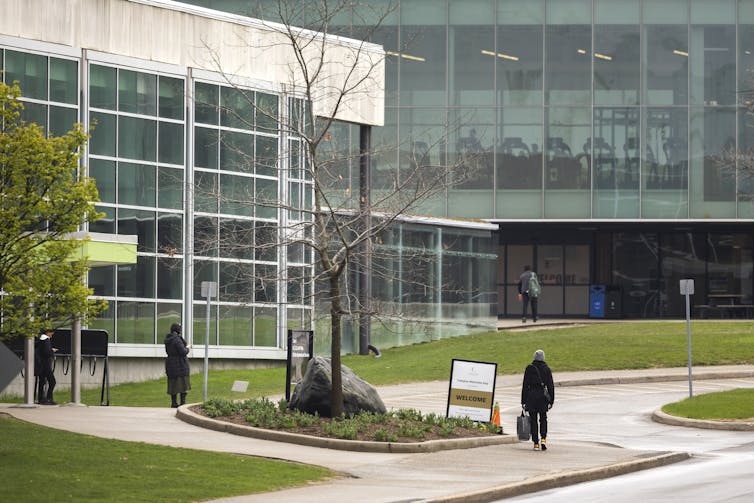
International students in Canada face significant challenges regarding housing security, often leading to exploitation in the rental market. With record-high rents, low vacancy rates, and widespread housing shortages, these students experience pressures that are particularly severe due to unfamiliarity with local markets and limited social networks. As a result, they are disproportionately vulnerable to discrimination, financial exploitation, and even homelessness.
Research by a team including Zhixi Zhuang from the University of Alberta and colleagues from Toronto Metropolitan University highlights the responsibilities of governments and educational institutions in upholding the housing rights of international students. This investigation employs the Rights and Responsibility framework developed by researcher Kathryn Sikkink, focusing on the accountability measures necessary to protect students’ rights.
Housing as a Fundamental Right
Housing is widely acknowledged as a basic human right, yet international students often lack the protections necessary to secure safe and affordable accommodations. They frequently face unjust blame for exacerbating Canada’s housing crisis. The absence of accessible housing options places these students at risk of housing insecurity. Various forms of exploitation, such as overcrowded living conditions, sudden rent increases, illegal upfront payments, and landlord harassment, contribute to their precarious situations.
These distressing housing experiences are linked to growing mental health issues, as many students struggle to meet basic needs, including food and shelter. Furthermore, limited support from higher education institutions regarding tenant rights compounds their challenges. Although the National Housing Strategy Act of 2019 formally recognizes housing as a basic human right, many international students are still denied access to safe and secure living conditions.
Policy Gaps and Recommendations
In January 2024, the Canadian federal government implemented a cap of approximately 360,000 international student visas, with plans to reduce study permits by over half within three years. This approach shifts the blame for housing challenges onto international students, further marginalizing them and jeopardizing their health and academic success.
Current housing policies in Canada are outdated, characterized by a lack of intergovernmental coordination. The complexities of overlapping jurisdictions, including federal immigration decisions, provincial education mandates, and municipal zoning regulations, have contributed to the ongoing housing crisis. The National International Education Strategy (2019–24) incentivized universities to increase international student enrolment without addressing the housing needs arising from such growth.
To effectively tackle these issues, all levels of government must create formal collaboration avenues. Higher education institutions should take the lead in developing student housing initiatives. The need for coordinated action is urgent, addressing the policy, infrastructure, and human rights aspects of housing challenges.
The research team conducted interviews with 24 international students from 14 countries and surveyed nearly 1,800 students in Ontario and Alberta. Findings reveal that limited institutional support, combined with inadequate governmental policy coordination, leaves international students particularly susceptible to exploitation and discrimination. Many rely on digital platforms for housing information, but as reported by students from Nigeria, China, and Cambodia, these options frequently involve scams.
The survey results indicated that international students experience heightened stress and financial anxiety during their housing searches compared to their domestic peers.
To mitigate these issues, the lived experiences of international students must be central to future housing policy development. Higher education institutions are well-positioned to provide resources and guidance to help these students navigate housing options and protect their rights. Additionally, fostering community connections can significantly enhance student well-being.
Establishing partnerships with community organizations is vital for developing long-term strategies focused on housing, digital infrastructure, and rights advocacy. The fragmented nature of immigration, education, and housing policies necessitates special coordination efforts. The formation of an intergovernmental student housing task force could facilitate collaboration among federal, provincial, and municipal governments alongside universities and colleges.
Incentivizing student housing developments is essential, as current approval processes are often lengthy and inconsistent. Expanding zoning regulations to include private and non-profit developers, as well as repurposing commercial spaces, will create more opportunities for safe and affordable student housing.
International students play a crucial role in enriching Canada’s culture and economy. Urgent action is required to protect their rights and well-being while fostering community cohesion and sustainable development.













Morris Churches Unite for Annual Good Friday Walk With the Cross

Chloe Zhao’s ‘Buffy’ Reboot Cancelled: Sarah Michelle Gellar Speaks Out

Essential Ingredients for Life Found in Ryugu Asteroid Samples

Urgent Rescue: NSR Airlifts Injured Climber from Nanaimo

Riverside Heart Ball Achieves Record $815,000 for Mental Health

Cognizant Launches AI Factory to Enhance Enterprise AI Scalability

Samsung’s Galaxy Watch 9 to Feature Larger Battery Than Before

Toronto’s AIDS Memorial Faces Potential Redesign Amid Community Concerns

Bayern Munich Loses Luis Díaz Red Card Appeal Despite Referee’s Admission

Secwepemc First Nation Seeks Aboriginal Title Over Kamloops Area

Fatal Crash on Highway 11 Claims Three Lives, Major Closure Ongoing

Manitoba’s Burger Champion Shines Again Amid Dining Innovations

Canadian Curler E.J. Harnden Announces Retirement from Competition

Urgent Fire Erupts at Salvation Army on Christmas Evening

Scientists Unearth Ancient Antarctic Ice to Unlock Climate Secrets

Minister Faces Scrutiny Over Delayed Foreign Interference Watchdog Appointment

Trump and McCormick to Announce $70 Billion Energy Investments

Monika Hibbs Unveils Acres Market & Interiors in Major Rebrand
-
 Politics5 months ago
Secwepemc First Nation Seeks Aboriginal Title Over Kamloops Area
-
 Top Stories4 months ago
Fatal Crash on Highway 11 Claims Three Lives, Major Closure Ongoing
-
 Lifestyle7 months ago
Manitoba’s Burger Champion Shines Again Amid Dining Innovations
-
 Sports4 months ago
Canadian Curler E.J. Harnden Announces Retirement from Competition
-
 Top Stories4 months ago
Urgent Fire Erupts at Salvation Army on Christmas Evening
-
 World9 months ago
Scientists Unearth Ancient Antarctic Ice to Unlock Climate Secrets
-
 World5 months ago
Minister Faces Scrutiny Over Delayed Foreign Interference Watchdog Appointment
-
 Entertainment9 months ago
Trump and McCormick to Announce $70 Billion Energy Investments
-
 Lifestyle9 months ago
Monika Hibbs Unveils Acres Market & Interiors in Major Rebrand
-

 Science9 months ago
Four Astronauts Return to Earth After International Space Station Mission
-

 Lifestyle9 months ago
TransLink Launches Food Truck Program to Boost Revenue in Vancouver
-

 World2 months ago
Ranchman’s Cookhouse & Dancehall to Relocate by Early 2027