
Education
Cree Voices Resurface in Lenny Carpenter’s New Podcast

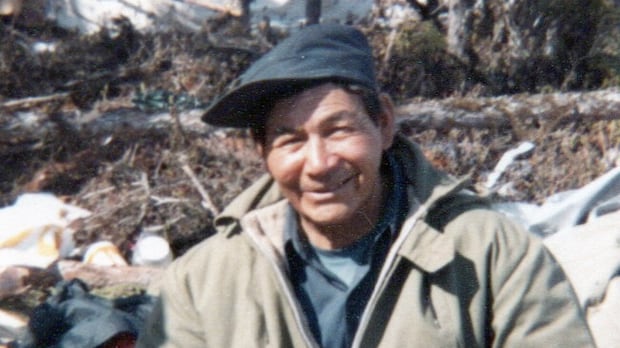
Lenny Carpenter, a member of the Attawapiskat First Nation, has launched a new podcast titled Apisheesh, inspired by recordings of his grandfather’s stories in the Swampy Cree dialect. The podcast aims to evoke the warmth of traditional storytelling while documenting Carpenter’s personal journey of learning the Cree language.
Carpenter, who grew up in the James Bay community of Moosonee, Ontario, reflects on his childhood memories of listening to his grandfather’s tales around the campfire. “I had never got to have a conversation with him because I never grew up speaking Cree,” he shared, noting the profound loss he felt after his grandfather passed away in 2003 when Carpenter was just 19 years old.
Through Apisheesh, which translates to “a little,” Carpenter hopes to inspire others to reconnect with their language and cultural heritage. He discovered old recordings of his grandfather while researching Treaty No. 9 by John S. Long, which acknowledged the Ojibway and Cree Cultural Centre in Timmins, Ontario. After obtaining the recordings, Carpenter realized they could serve as a rich cultural resource for his community.
Carpenter incorporates the sounds of nature, such as the crackling of a fire and the calls of sandhill cranes, to recreate the ambiance of his family’s hunt camp in spring. He recalls how his grandfather would share legends and stories during these gatherings. “My dad said the candles would go out and sure enough, [mooshoom] would start talking — legends and stories about hunting and the old days,” Carpenter recounted.
His podcast not only features his grandfather’s voice but also serves as a platform for others in the community to share their own stories. Upcoming episodes will include tributes to his grandfather and discussions about local legends, including his niece’s award-winning goose call.
The podcast has attracted interest from other language learners, such as Jocelyn Cheechoo from the Moose Cree First Nation. Cheechoo, who now resides in Thunder Bay, Ontario, has noticed a growing number of people eager to learn the Cree language. She expressed her excitement about Carpenter’s project, hoping it fosters a sense of community among learners. “Language is such a part of who we are,” she stated. “It’s a comfort hearing the language and speaking it, too.”
Another listener, Feather Metatawabin from Kashechewan First Nation, highlighted the importance of language in maintaining cultural connections. Having experienced culture shock upon moving to the city, she recognized that proficiency in Cree helps her better relate to clients in her role as a Gladue report writer. “We’re realizing a lot of our people don’t speak the language anymore,” Metatawabin noted. “I think that’s what empowers us to connect with these things that we’ve lost in our culture as a result of colonialism.”
As Carpenter continues to share his journey through Apisheesh, he embraces the vulnerability of learning a new language, hoping that his experiences will inspire others to embark on their own paths. “Maybe being vulnerable like that will make people relate, and inspire them to start their own journey,” he said.
Through this innovative podcast, Carpenter not only honors the legacy of his grandfather but also contributes to the revitalization of the Cree language, ensuring that the stories of the past resonate in the present and future.












Morris Churches Unite for Annual Good Friday Walk With the Cross

Chloe Zhao’s ‘Buffy’ Reboot Cancelled: Sarah Michelle Gellar Speaks Out

Essential Ingredients for Life Found in Ryugu Asteroid Samples

Urgent Rescue: NSR Airlifts Injured Climber from Nanaimo

Riverside Heart Ball Achieves Record $815,000 for Mental Health

Cognizant Launches AI Factory to Enhance Enterprise AI Scalability

Samsung’s Galaxy Watch 9 to Feature Larger Battery Than Before

Toronto’s AIDS Memorial Faces Potential Redesign Amid Community Concerns

Bayern Munich Loses Luis Díaz Red Card Appeal Despite Referee’s Admission

Secwepemc First Nation Seeks Aboriginal Title Over Kamloops Area

Fatal Crash on Highway 11 Claims Three Lives, Major Closure Ongoing

Manitoba’s Burger Champion Shines Again Amid Dining Innovations

Canadian Curler E.J. Harnden Announces Retirement from Competition

Urgent Fire Erupts at Salvation Army on Christmas Evening

Scientists Unearth Ancient Antarctic Ice to Unlock Climate Secrets

Minister Faces Scrutiny Over Delayed Foreign Interference Watchdog Appointment

Trump and McCormick to Announce $70 Billion Energy Investments

Four Astronauts Return to Earth After International Space Station Mission
-
 Politics5 months ago
Secwepemc First Nation Seeks Aboriginal Title Over Kamloops Area
-
 Top Stories4 months ago
Fatal Crash on Highway 11 Claims Three Lives, Major Closure Ongoing
-
 Lifestyle7 months ago
Manitoba’s Burger Champion Shines Again Amid Dining Innovations
-
 Sports3 months ago
Canadian Curler E.J. Harnden Announces Retirement from Competition
-
 Top Stories3 months ago
Urgent Fire Erupts at Salvation Army on Christmas Evening
-
 World9 months ago
Scientists Unearth Ancient Antarctic Ice to Unlock Climate Secrets
-
 World5 months ago
Minister Faces Scrutiny Over Delayed Foreign Interference Watchdog Appointment
-
 Entertainment9 months ago
Trump and McCormick to Announce $70 Billion Energy Investments
-
 Science9 months ago
Four Astronauts Return to Earth After International Space Station Mission
-

 Lifestyle9 months ago
TransLink Launches Food Truck Program to Boost Revenue in Vancouver
-

 Lifestyle9 months ago
Monika Hibbs Unveils Acres Market & Interiors in Major Rebrand
-

 World1 month ago
Ranchman’s Cookhouse & Dancehall to Relocate by Early 2027