
Education
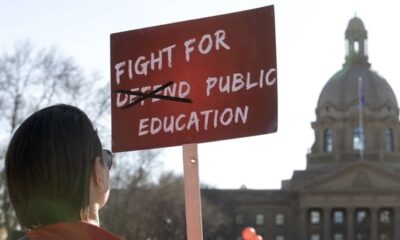
Educators Foster Hope Amidst Challenges in Uncertain Times


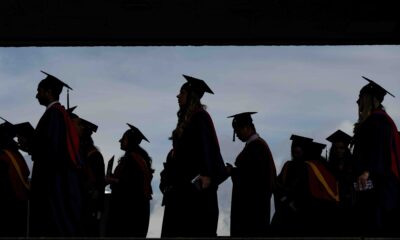
The current educational landscape is marked by profound challenges, yet educators remain steadfast in their commitment to nurturing hope among students. As public school teachers navigate these tough times, they focus on cultivating intercultural connections and promoting well-being. Their role extends beyond academic achievement; they also serve as a vital support system for students facing the complexities of modern life.
In a world where negative news dominates the headlines, many individuals experience a range of emotions from despondency to anxiety. The balance between staying informed and protecting one’s mental health is increasingly difficult to achieve. According to various studies, the consumption of distressing media can exacerbate feelings of hopelessness, making it essential for educators to find innovative ways to inspire resilience and optimism among their pupils.
Teachers act in loco parentis, stepping in to fill the parental role for their students. This responsibility fosters a communal environment where the primary goal is to ensure that young individuals grow up empowered and capable of navigating life’s challenges. Despite their dedication, educators also face their own vulnerabilities and compassion fatigue. This raises critical questions: How can hope be cultivated when educators themselves feel overwhelmed? How can communities unite in the face of division?
Despite the daunting landscape, there is a profound sense of hope grounded in everyday experiences. Many educators witness remarkable moments of joy and creativity among their students. Whether through engaging with nature, participating in the arts, or collaborating on problem-solving initiatives, young people demonstrate a zest for life that inspires those around them. As one teacher noted, “There is no greater life lesson than to learn to love.”
Fostering empathy and compassion should not only be a focus in education but also a priority in political discourse and media. In an era defined by division, understanding and celebrating intercultural differences is paramount. The challenges of learning to love and accept diversity have persisted throughout history. Yet, just as previous generations have faced adversity and prevailed, today’s society has the potential to unite for the common good.
Regardless of political affiliations, most individuals desire a thriving planet for future generations. The arts, in various forms, connect people across cultures, highlighting shared values and aspirations. However, increasing reliance on technology has led to a paradoxical state of social isolation in a digitally interconnected world. Educators can play a pivotal role in encouraging students to reconnect with their communities and the environment.
The advancement of policies centered on equity, diversity, and inclusion reflects a critical shift towards acknowledging and celebrating the mosaic of human experiences. These principles are not merely trends; they represent a commitment to building a collaborative society. As communities grapple with significant social challenges, the educational sector must prioritize compassion, constructive dialogue, and the celebration of diverse customs and practices.
Navigating contentious issues with humility and understanding is essential in these precarious times. By prioritizing love over fear, educators and communities can tap into a collective potential that is immeasurable. The commitment to fostering hope and connection is not just a goal; it is a necessity for building a more inclusive and resilient society. As we look ahead, the focus must remain on nurturing the next generation of leaders who will carry forward the values of empathy and unity in an ever-evolving world.











Morris Churches Unite for Annual Good Friday Walk With the Cross

Chloe Zhao’s ‘Buffy’ Reboot Cancelled: Sarah Michelle Gellar Speaks Out

Essential Ingredients for Life Found in Ryugu Asteroid Samples

Urgent Rescue: NSR Airlifts Injured Climber from Nanaimo

Riverside Heart Ball Achieves Record $815,000 for Mental Health

Cognizant Launches AI Factory to Enhance Enterprise AI Scalability

Samsung’s Galaxy Watch 9 to Feature Larger Battery Than Before

Toronto’s AIDS Memorial Faces Potential Redesign Amid Community Concerns

Bayern Munich Loses Luis Díaz Red Card Appeal Despite Referee’s Admission

Secwepemc First Nation Seeks Aboriginal Title Over Kamloops Area

Fatal Crash on Highway 11 Claims Three Lives, Major Closure Ongoing

Manitoba’s Burger Champion Shines Again Amid Dining Innovations

Canadian Curler E.J. Harnden Announces Retirement from Competition

Urgent Fire Erupts at Salvation Army on Christmas Evening

Scientists Unearth Ancient Antarctic Ice to Unlock Climate Secrets

Minister Faces Scrutiny Over Delayed Foreign Interference Watchdog Appointment

Trump and McCormick to Announce $70 Billion Energy Investments

Four Astronauts Return to Earth After International Space Station Mission
-
 Politics5 months ago
Secwepemc First Nation Seeks Aboriginal Title Over Kamloops Area
-
 Top Stories4 months ago
Fatal Crash on Highway 11 Claims Three Lives, Major Closure Ongoing
-
 Lifestyle7 months ago
Manitoba’s Burger Champion Shines Again Amid Dining Innovations
-
 Sports3 months ago
Canadian Curler E.J. Harnden Announces Retirement from Competition
-
 Top Stories3 months ago
Urgent Fire Erupts at Salvation Army on Christmas Evening
-
 World9 months ago
Scientists Unearth Ancient Antarctic Ice to Unlock Climate Secrets
-
 World5 months ago
Minister Faces Scrutiny Over Delayed Foreign Interference Watchdog Appointment
-
 Entertainment9 months ago
Trump and McCormick to Announce $70 Billion Energy Investments
-
 Science9 months ago
Four Astronauts Return to Earth After International Space Station Mission
-

 Lifestyle9 months ago
TransLink Launches Food Truck Program to Boost Revenue in Vancouver
-

 Lifestyle9 months ago
Monika Hibbs Unveils Acres Market & Interiors in Major Rebrand
-

 World1 month ago
Ranchman’s Cookhouse & Dancehall to Relocate by Early 2027