
Education
University Students Tackle Food Insecurity with Creative Solutions


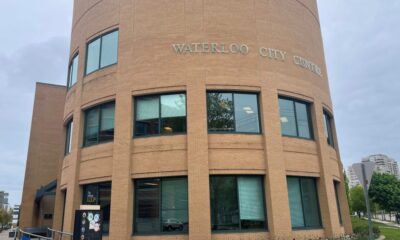
As rising costs of tuition, textbooks, and rent put a strain on students, many at Wilfrid Laurier University are finding it increasingly difficult to maintain a healthy diet. This has led to a growing concern regarding student food insecurity, which can adversely affect both physical and mental health, ultimately impacting academic performance. In response, the university has implemented several initiatives aimed at addressing this critical issue.
One notable initiative is the Food Justice Garden, originally established to support Indigenous students. This urban agriculture project is a collaboration between Martin Luther University College’s Centre for Earth Consciousness and Gender Justice and the Laurier Students Public Interest Research Group (LSPIRG). Student volunteers participate in hands-on learning about sustainability while cultivating fresh produce.
In addition to the garden, the Weekly Food Distro at Wilfrid Laurier University plays a vital role in ensuring students have access to fresh food and essential pantry items. This grocery pop-up operates year-round, allowing students to select what they need without being subjected to a proof of need; they simply present their student card. According to Tavia Weber, Distro program and Luther’s development manager, nearly 6,000 students utilized the service last year.
The Distro not only provides food but also offers recipe cards and cooking seminars to help students enhance their culinary skills. The university’s Students’ Union also contributes with various initiatives across the Brantford and Waterloo campuses. Their food bank distributes personalized parcels of non-perishable items and hygiene products, allowing students to request up to five food parcels per term while ensuring discreet collection for those concerned about stigma.
Innovative Programs and Student Involvement
The emergency hot meal program at Laurier provides dining hall credits to students facing extreme need. Those with ongoing food insecurity are referred to the dean of students’ office for additional support. Maria Gonzales, vice president of programming and services at Laurier’s Waterloo campus, noted that monthly events, such as the fresh food market, offer an array of fruits and vegetables for students.
Students are actively engaging with these resources to build their culinary skills. Jaycob Linnamaa and Shively Holland, both final-year undergraduates, emphasize the importance of cooking on a budget. Linnamaa expressed concern over the number of peers lacking basic cooking skills, which he views as essential for financial management. Holland, who taught himself to cook, estimates he saved thousands of dollars by preparing meals after moving off-campus from a residence that provided meal plans.
To maximize their resources, Holland and his roommates often bulk cook familiar meals, varying the flavors with herbs and spices. They coordinate cooking to minimize waste, particularly with rice-based dishes. Linnamaa creatively uses vegetable scraps and bones to make stock for soups and other meals. He remarked, “I could buy the ingredients to a decent steak dinner at the grocery store for the same cost as a fast food burger.”
Both students contribute to a vibrant community at the university through activities organized by the Waterloo Science Fiction and Fantasy Club (WatSFiC). They host soup nights, where participants either follow a recipe or bring ingredients to create a communal dish, encouraging teamwork in the kitchen.
Accessible Recipes for Students
In an effort to further support students, the Brantford campus has developed a cookbook featuring simple, accessible recipes. One such recipe is for Peanut Sesame Noodles, designed to be both nutritious and easy to prepare. The ingredients required include:
– 2 tablespoons peanut butter
– 2 tablespoons sesame oil
– 2 tablespoons soy sauce
– 2 tablespoons hot water
Optional toppings can include cooked lean meat or tofu, peanuts, fresh cilantro, bok choy, peppers, or other vegetables, and fresh lime juice. The method involves combining the noodles and vegetables, mixing with the warmed sauce, and serving with chosen toppings.
Through these innovative programs and student-led initiatives, Wilfrid Laurier University is taking significant steps to combat food insecurity and promote healthy eating habits among its students. The collaborative efforts not only address immediate nutritional needs but also empower students with essential life skills that will benefit them long after graduation.










Urgent: Highway 11 Closed Due to Severe Weather Conditions

Knights Seek Revenge Against Spitfires in Windsor Showdown

Urgent Recall: Life Brand Cough Syrup Stored Improperly

Winnipeg Jets Surge with Key Depth Scoring in 4-1 Victory

Kingston Frontenacs Suffer Eighth Straight Loss to Flint Firebirds

University Students Tackle Food Insecurity with Creative Solutions

Protesters Arrested After Food Attack on Crown Jewels Display

Saskatchewan Legislative Session Concludes with $427 Million Deficit

University of Calgary Achieves Top Five Research University Status

Secwepemc First Nation Seeks Aboriginal Title Over Kamloops Area

Scientists Unearth Ancient Antarctic Ice to Unlock Climate Secrets

Trump and McCormick to Announce $70 Billion Energy Investments

Four Astronauts Return to Earth After International Space Station Mission

TransLink Launches Food Truck Program to Boost Revenue in Vancouver

Apple Notes Enhances Functionality with Markdown Support in macOS 26

Manitoba’s Burger Champion Shines Again Amid Dining Innovations

Urgent Update: Fatal Crash on Highway 99 Claims Life of Pitt Meadows Man

Ukrainian Tennis Star Elina Svitolina Faces Death Threats Online
-
 Politics4 weeks ago
Secwepemc First Nation Seeks Aboriginal Title Over Kamloops Area
-
 World5 months ago
Scientists Unearth Ancient Antarctic Ice to Unlock Climate Secrets
-
 Entertainment5 months ago
Trump and McCormick to Announce $70 Billion Energy Investments
-
 Science5 months ago
Four Astronauts Return to Earth After International Space Station Mission
-
 Lifestyle5 months ago
TransLink Launches Food Truck Program to Boost Revenue in Vancouver
-
 Technology3 months ago
Apple Notes Enhances Functionality with Markdown Support in macOS 26
-
 Lifestyle3 months ago
Manitoba’s Burger Champion Shines Again Amid Dining Innovations
-
 Top Stories2 months ago
Urgent Update: Fatal Crash on Highway 99 Claims Life of Pitt Meadows Man
-
 Politics4 months ago
Ukrainian Tennis Star Elina Svitolina Faces Death Threats Online
-

 Sports5 months ago
Search Underway for Missing Hunter Amid Hokkaido Bear Emergency
-

 Politics5 months ago
Carney Engages First Nations Leaders at Development Law Summit
-

 Top Stories1 week ago
Homemade Houseboat ‘Neverlanding’ Captivates Lake Huron Voyagers