
Entertainment
Chloé Zhao’s *Hamnet* Explores Shakespeare’s Heartbreaking Loss

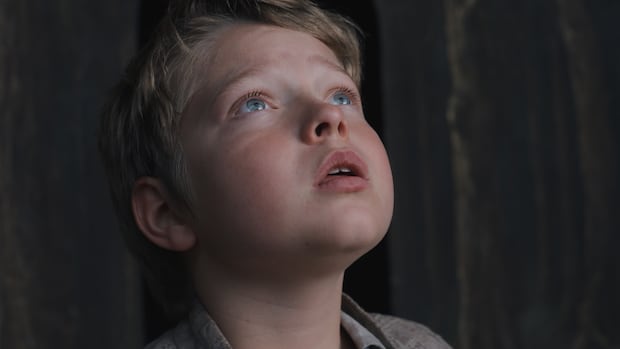
Chloé Zhao’s latest film, *Hamnet*, delves into the profound grief surrounding William Shakespeare’s life, particularly focusing on the tragic death of his son, Hamnet. Set against the backdrop of 16th-century England, the film offers a poignant interpretation of how this personal loss may have influenced Shakespeare’s iconic play *Hamlet*. The juxtaposition of joy and sorrow is masterfully captured through the performances of Paul Mescal as Shakespeare and Jessie Buckley as his wife, Agnes.
At the heart of *Hamnet* is the exploration of a family torn apart by tragedy. The film opens with a title card highlighting that the names Hamnet and Hamlet were interchangeable during Shakespeare’s lifetime. This detail is crucial, as it sets the stage for understanding how the playwright’s grief over his son’s untimely death at the age of 11 possibly informed his writing. Scholars have long debated whether *Hamlet*, a tale of a prince consumed by loss, was directly inspired by his son’s passing. This theme resonates throughout Zhao’s narrative, which intricately weaves the personal and the historical.
The film presents a somewhat static portrayal of Shakespeare’s life, focusing on his courtship and marriage to Agnes, their shared happiness, and the heart-wrenching moment of their son’s death, portrayed with remarkable maturity by Jacobi Jupe. The emotional aftermath of this loss is depicted as apocalyptic, encapsulating the profound impact it had on the family. Zhao’s direction creates a sense of stillness that echoes the words of Hamlet: “the rest is silence.”
Zhao’s adaptation is influenced by Maggie O’Farrell, whose novel serves as the film’s foundation. In interviews, O’Farrell emphasizes the universality of grief, stating, “I refuse to believe that at any point in time, anywhere in the world, it’s anything less than cataclysmic to lose a child.” This sentiment is echoed throughout *Hamnet*, as the film seeks to convey the depth of loss in a way that transcends historical specifics.
The cinematography, characterized by a dreamlike quality, enhances the emotional weight of the story. Zhao employs soft-focus shots that contrast with sharper images to depict the boundaries between Shakespeare’s creative and domestic life. Scenes where Shakespeare is absorbed in writing while Agnes comforts their crying child illustrate the tension between artistic ambition and familial duty. The film also captures Agnes’s poignant moments, such as her silent grief while peeling eggs or her awe at witnessing the first performance of *Hamlet* at the Globe Theatre.
A notable aspect of *Hamnet* is its refusal to offer easy resolutions. Instead of providing a comforting closure, the film lingers in the pain of loss, reflecting a broader trend in contemporary cinema that embraces the complexities of human experience. This thematic choice resonates with audiences, creating a space for reflection on trauma and healing.
While some critiques have labeled *Hamnet* as emotionally manipulative, Zhao’s careful approach to storytelling fosters a genuine connection to the characters’ suffering. The film’s authenticity shines through, allowing viewers to confront the rawness of grief. Despite occasional moments where distance from the characters may feel clinical, the overall portrayal of tragedy is deeply impactful.
In conclusion, *Hamnet* stands as a powerful reinterpretation of the *Hamlet* myth. By grounding Hamlet’s existential dilemmas in real familial loss, Zhao enriches our understanding of the character’s motivations. This film not only honors Shakespeare’s legacy but also highlights the enduring impact of personal tragedy, reminding us of the delicate balance between art and life. As audiences grapple with the emotional weight of *Hamnet*, they are invited to reflect on the timeless nature of grief and its profound effects on the human spirit.













Ottawa Plans $1 Million Security Pilot for ByWard Market

Quebec Cree Families Unite for Boarding Home Compensation Claims

Bursey’s Bus Service Offers Free Rides for Students with Accessibility Needs

Chloé Zhao’s *Hamnet* Explores Shakespeare’s Heartbreaking Loss

University of Manitoba Researchers Explore Genetic Testing for Mental Health Medications

Health Minister Targets Full Primary Care Access Amid Backlog

Quebec Cree Families Surge in Boarding Home Compensation Claims

Trump Announces Pardon for Colorado Election Official Convicted of Fraud

Steve Nease’s Latest Cartoon Sparks Conversations on December 12

Secwepemc First Nation Seeks Aboriginal Title Over Kamloops Area

Scientists Unearth Ancient Antarctic Ice to Unlock Climate Secrets

Trump and McCormick to Announce $70 Billion Energy Investments

TransLink Launches Food Truck Program to Boost Revenue in Vancouver

Four Astronauts Return to Earth After International Space Station Mission

Manitoba’s Burger Champion Shines Again Amid Dining Innovations

Apple Notes Enhances Functionality with Markdown Support in macOS 26

Urgent Update: Fatal Crash on Highway 99 Claims Life of Pitt Meadows Man

Homemade Houseboat ‘Neverlanding’ Captivates Lake Huron Voyagers
-
 Politics1 month ago
Secwepemc First Nation Seeks Aboriginal Title Over Kamloops Area
-
 World5 months ago
Scientists Unearth Ancient Antarctic Ice to Unlock Climate Secrets
-
 Entertainment5 months ago
Trump and McCormick to Announce $70 Billion Energy Investments
-
 Lifestyle5 months ago
TransLink Launches Food Truck Program to Boost Revenue in Vancouver
-
 Science5 months ago
Four Astronauts Return to Earth After International Space Station Mission
-
 Lifestyle3 months ago
Manitoba’s Burger Champion Shines Again Amid Dining Innovations
-
 Technology4 months ago
Apple Notes Enhances Functionality with Markdown Support in macOS 26
-
 Top Stories2 months ago
Urgent Update: Fatal Crash on Highway 99 Claims Life of Pitt Meadows Man
-
 Top Stories2 weeks ago
Homemade Houseboat ‘Neverlanding’ Captivates Lake Huron Voyagers
-

 Politics4 months ago
Ukrainian Tennis Star Elina Svitolina Faces Death Threats Online
-

 Sports5 months ago
Search Underway for Missing Hunter Amid Hokkaido Bear Emergency
-

 Politics5 months ago
Carney Engages First Nations Leaders at Development Law Summit