
Health
Cancer Patient Denied Treatment and Facing Deportation Struggles

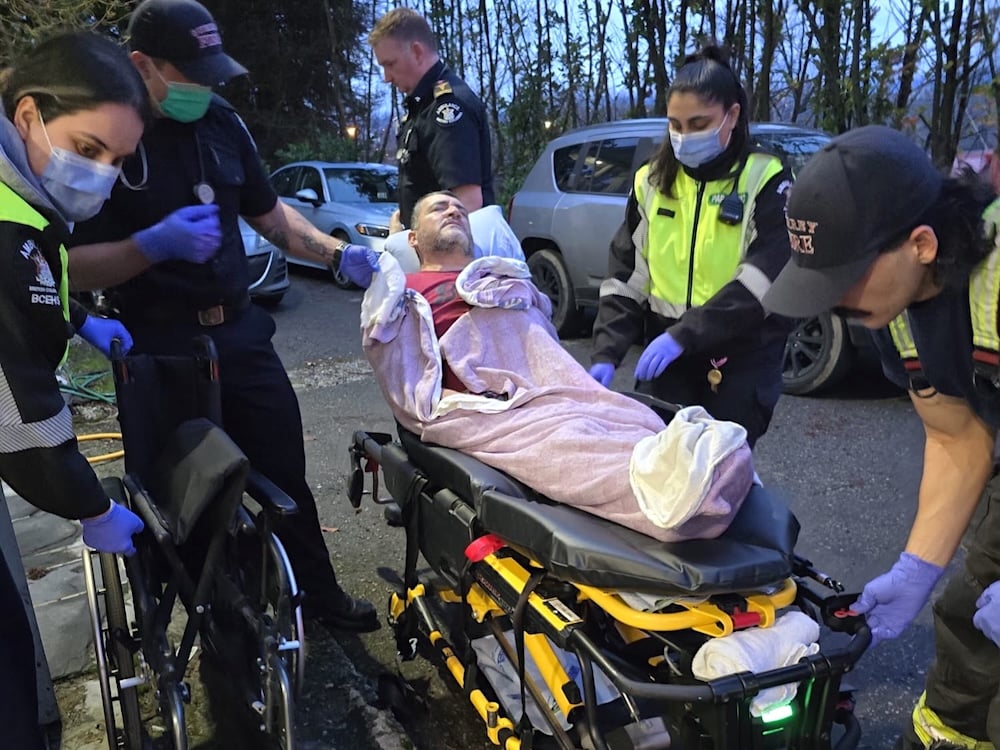
Francisco Barahona, a cancer patient, faces the dual challenge of battling his illness while also confronting the threat of deportation from Canada. His situation highlights a significant issue for many individuals who find themselves without health coverage due to their immigration status.
Barahona, originally from El Salvador, has lived in British Columbia for over 10 years. He was diagnosed with cancer and urgently requires treatment. Unfortunately, his current lack of Medical Services Plan (MSP) coverage means he cannot access the necessary medical care. The MSP is essential for residents to receive healthcare services, but it is not available to everyone, particularly those without permanent residency.
Despite his critical health needs, Barahona finds himself navigating a complex web of immigration rules and healthcare policies. Without MSP, he is unable to afford the treatments that could prolong his life. The emotional and physical toll of his cancer diagnosis is compounded by the looming possibility of deportation back to a country where he fears for his safety.
Healthcare Access and Immigration Challenges
Barahona’s case is not isolated. Many individuals in similar circumstances face barriers to healthcare based on their immigration status. According to the British Columbia Ministry of Health, approximately 1,000 people annually receive urgent medical care without adequate health coverage. This statistic underscores the broader systemic issues within the healthcare system, particularly concerning marginalized populations.
The healthcare system in Canada is designed to provide universal coverage, but gaps exist that disproportionately affect non-citizens. In Barahona’s case, his inability to secure MSP coverage has left him vulnerable. He is currently exploring options for private health insurance, but the costs are prohibitive.
Barahona’s story has drawn attention from local advocacy groups, which argue for reform in health care access for undocumented immigrants and refugees. Organizations such as the British Columbia Health Coalition are advocating for policy changes to ensure that all residents, regardless of immigration status, have access to essential health services.
Community Support and Future Steps
In light of his challenges, Barahona has received support from community members and local organizations. Fundraising efforts are underway to help cover his medical bills. Community members have rallied around him, demonstrating solidarity and raising awareness about the issues facing individuals like him.
As of October 2023, Barahona continues to await a decision regarding his immigration status. The uncertainty surrounding his future weighs heavily on him, but he remains hopeful. His determination to fight both cancer and the bureaucratic hurdles is a testament to his resilience.
The intersection of health care and immigration policy presents a complex challenge that affects many individuals across Canada. Barahona’s situation serves as a crucial reminder of the need for comprehensive reform in how health services are delivered to those most in need, regardless of their immigration status. His struggle is not just a personal battle; it represents a larger systemic issue that requires urgent attention and action.











GSK Shares Rise for Seven Consecutive Sessions, Up 22% This Year

Invest in CT Real Estate Trust for Monthly Income at 5.8%

AT&T Unveils Affordable Smartphone and Smartwatch for Kids

Former Officer Gets Conditional Sentence for Data Abuse of 33 Women

Boldy, Horvat, and Vejmelka Shine as NHL Stars of the Week

Ski Jumping Officials Deny Rumours of Performance-Enhancing Practices

Man Arrested After 24-Hour Search for Alleged Abductor in Manitoba

Supreme Court Ruling Establishes Exception to Lawyer-Client Confidentiality

Discover the Best Carpet Cleaners for Tough Messes

Secwepemc First Nation Seeks Aboriginal Title Over Kamloops Area

Scientists Unearth Ancient Antarctic Ice to Unlock Climate Secrets

Urgent Fire Erupts at Salvation Army on Christmas Evening

Canadian Curler E.J. Harnden Announces Retirement from Competition

Manitoba’s Burger Champion Shines Again Amid Dining Innovations

Fatal Crash on Highway 11 Claims Three Lives, Major Closure Ongoing

Trump and McCormick to Announce $70 Billion Energy Investments

Four Astronauts Return to Earth After International Space Station Mission

TransLink Launches Food Truck Program to Boost Revenue in Vancouver
-
 Politics3 months ago
Secwepemc First Nation Seeks Aboriginal Title Over Kamloops Area
-
 World7 months ago
Scientists Unearth Ancient Antarctic Ice to Unlock Climate Secrets
-
 Top Stories1 month ago
Urgent Fire Erupts at Salvation Army on Christmas Evening
-
 Sports1 month ago
Canadian Curler E.J. Harnden Announces Retirement from Competition
-
 Lifestyle5 months ago
Manitoba’s Burger Champion Shines Again Amid Dining Innovations
-
 Top Stories2 months ago
Fatal Crash on Highway 11 Claims Three Lives, Major Closure Ongoing
-
 Entertainment7 months ago
Trump and McCormick to Announce $70 Billion Energy Investments
-
 Science7 months ago
Four Astronauts Return to Earth After International Space Station Mission
-
 Lifestyle7 months ago
TransLink Launches Food Truck Program to Boost Revenue in Vancouver
-

 Technology5 months ago
Apple Notes Enhances Functionality with Markdown Support in macOS 26
-

 Top Stories1 month ago
Blue Jays Sign Kazuma Okamoto: Impact on Bo Bichette’s Future
-

 Top Stories2 months ago
NHL Teams Inquire About Marc-André Fleury’s Potential Return