
Health
Early Introduction of Allergenic Foods Reduces Baby Allergies

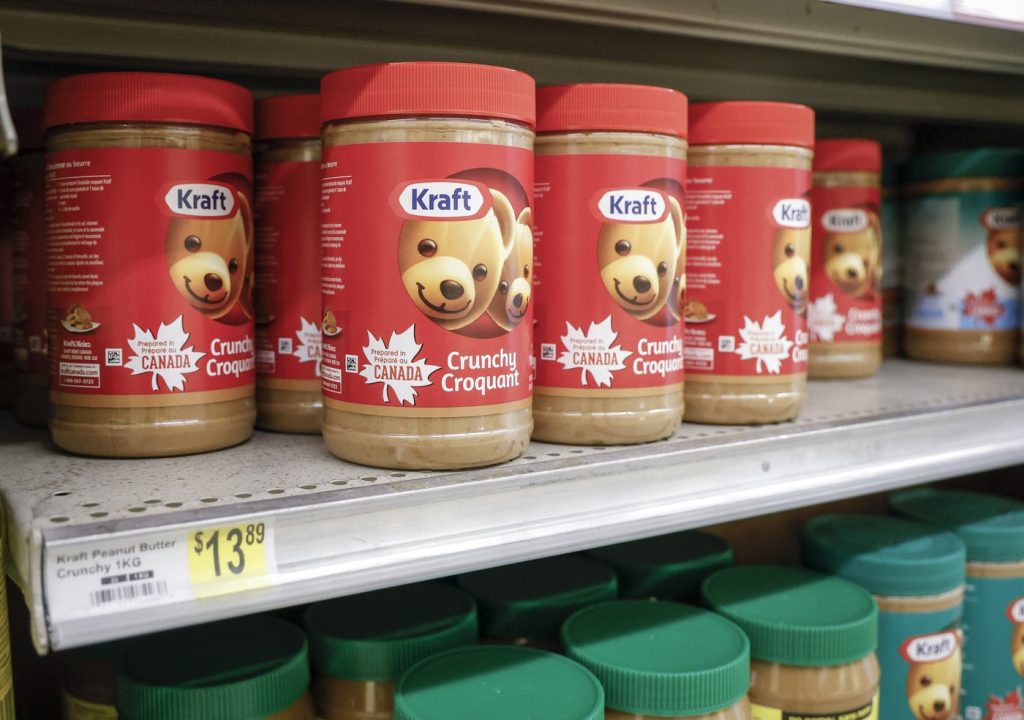
A recent study conducted in Canada has highlighted the benefits of introducing allergenic foods, such as peanuts, fish, and eggs, to infants at an early age. The research indicates that consistent exposure to these foods significantly decreases the likelihood of developing allergies. The findings, published in the journal JAMA Pediatrics on February 9, 2026, provide crucial insights that could influence dietary guidelines for infants.
In this comprehensive analysis, researchers, led by Dr. Derek Chu, an allergist-immunologist and assistant professor at McMaster University in Hamilton, Ontario, reviewed over 190 studies on food allergies from around the globe. They discovered that delaying the introduction of peanut-containing foods until after the age of 12 months doubles the chance of a child developing an allergy to peanuts. Similar patterns were observed for fish and eggs, emphasizing the importance of early dietary exposure.
Dr. Chu emphasized that infants, particularly those at higher risk of allergies due to existing conditions like asthma or eczema, should be introduced to potential allergens as early as possible. “The longer we delay, the higher the risk of food allergy is,” he stated. He noted that infants typically show readiness for these foods around the age of four to six months, when they can sit up, chew, and exhibit curiosity about food.
To address concerns about choking hazards associated with peanuts, Food Allergy Canada advises parents to mix peanut butter with hot water, cool the mixture, and then add it to soft foods like infant cereal or puréed fruits and vegetables. Jennifer Gerdts, executive director of Food Allergy Canada and co-author of the study, endorsed the findings and reiterated the importance of early exposure. “This publication confirms that food allergy development in children is influenced by multiple factors,” she said in an emailed statement.
Dr. Chu further noted that not only should allergenic foods be introduced early, but they should also be consumed consistently. The recommendations align with guidelines from the Canadian Paediatric Society, which suggests that newly introduced foods be offered a few times a week to help maintain tolerance.
The study also identified additional potential risk factors for developing food allergies, including being first-born and male, though these were deemed minor. Furthermore, the research suggested a possible correlation between antibiotic use in the first month of life and the development of food allergies. Dr. Chu explained that antibiotics might disrupt the body’s microbiome, potentially influencing allergy development, but he stressed that further investigation is needed in this area.
He also highlighted the importance of introducing a variety of allergenic foods early, including tree nuts, dairy, wheat, soy, sesame, and shellfish, to help reduce allergy risks. This comprehensive approach could be particularly beneficial for infants who have received antibiotics to treat early-life illnesses.
The implications of this research could reshape how parents introduce solid foods to their infants, particularly those at risk of allergies. Continued exploration of these findings may provide further strategies for preventing food allergies among children in a growing population that increasingly faces these challenges.













Morris Churches Unite for Annual Good Friday Walk With the Cross

Chloe Zhao’s ‘Buffy’ Reboot Cancelled: Sarah Michelle Gellar Speaks Out

Essential Ingredients for Life Found in Ryugu Asteroid Samples

Urgent Rescue: NSR Airlifts Injured Climber from Nanaimo

Riverside Heart Ball Achieves Record $815,000 for Mental Health

Cognizant Launches AI Factory to Enhance Enterprise AI Scalability

Samsung’s Galaxy Watch 9 to Feature Larger Battery Than Before

Toronto’s AIDS Memorial Faces Potential Redesign Amid Community Concerns

Bayern Munich Loses Luis Díaz Red Card Appeal Despite Referee’s Admission

Secwepemc First Nation Seeks Aboriginal Title Over Kamloops Area

Fatal Crash on Highway 11 Claims Three Lives, Major Closure Ongoing

Manitoba’s Burger Champion Shines Again Amid Dining Innovations

Canadian Curler E.J. Harnden Announces Retirement from Competition

Urgent Fire Erupts at Salvation Army on Christmas Evening

Scientists Unearth Ancient Antarctic Ice to Unlock Climate Secrets

Trump and McCormick to Announce $70 Billion Energy Investments

Minister Faces Scrutiny Over Delayed Foreign Interference Watchdog Appointment

Four Astronauts Return to Earth After International Space Station Mission
-
 Politics5 months ago
Secwepemc First Nation Seeks Aboriginal Title Over Kamloops Area
-
 Top Stories4 months ago
Fatal Crash on Highway 11 Claims Three Lives, Major Closure Ongoing
-
 Lifestyle7 months ago
Manitoba’s Burger Champion Shines Again Amid Dining Innovations
-
 Sports3 months ago
Canadian Curler E.J. Harnden Announces Retirement from Competition
-
 Top Stories3 months ago
Urgent Fire Erupts at Salvation Army on Christmas Evening
-
 World9 months ago
Scientists Unearth Ancient Antarctic Ice to Unlock Climate Secrets
-
 Entertainment9 months ago
Trump and McCormick to Announce $70 Billion Energy Investments
-
 World5 months ago
Minister Faces Scrutiny Over Delayed Foreign Interference Watchdog Appointment
-
 Science9 months ago
Four Astronauts Return to Earth After International Space Station Mission
-

 Lifestyle9 months ago
Monika Hibbs Unveils Acres Market & Interiors in Major Rebrand
-

 Lifestyle9 months ago
TransLink Launches Food Truck Program to Boost Revenue in Vancouver
-

 World1 month ago
Ranchman’s Cookhouse & Dancehall to Relocate by Early 2027