
Health
Healthy Foods Boost Gut Molecule That Protects Against Diabetes

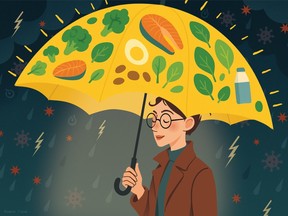
Research from the Ottawa Heart Institute, in collaboration with partners in France and the UK, reveals that certain healthy foods can help protect against Type 2 diabetes. The study highlights how a natural molecule produced by gut bacteria, known as trimethylamine (TMA), can reduce inflammation and enhance insulin efficiency, potentially offering new avenues for diabetes treatment.
The findings indicate that TMA is generated when gut microbes break down nutrients like choline, which is abundant in foods such as broccoli, brussels sprouts, eggs, salmon, tuna, legumes, and dairy products. According to Dr. Peter Liu, a cardiologist and co-scientific director at the Ottawa Heart Institute, this discovery underscores the need for further exploration into how a healthy diet directly combats inflammation and protects against chronic illnesses, including diabetes and heart disease.
Implications for Diabetes Treatment
Dr. Liu emphasized the importance of dietary choices, stating, “It really reinforces the importance of having good dietary intake. Now we understand how diet combinations such as salmon, char, cod, legumes and broccoli actually protect us.” The study suggests that with the rise of diabetes globally, innovative solutions are urgently required.
The research reveals that TMA effectively reduces inflammation by blocking IRAK4, a key protein that triggers inflammatory responses associated with high-fat diets. This challenges previous assumptions about TMA, as its related compound, TMAO, has been linked to heart diseases. While TMA appears to offer protective benefits, improving metabolic health and inflammation control, the role of IRAK4 is crucial in this context.
Efforts are ongoing to develop drugs that can inhibit IRAK4, with preliminary studies showing that when IRAK4 is blocked—either through genetics or pharmacological means—lab mice do not become obese or develop diabetes, regardless of their diet. Dr. Liu noted, “We never thought it had such a huge impact on diabetes and obesity.”
Addressing Health Disparities
The research also highlights the significant influence of gut microbiomes on health. Dr. Liu is involved in a project aimed at restoring traditional foods to Inuit communities in Nunavut, where high rates of diabetes and heart disease are linked to a shift away from traditional diets rich in natural foods like char and berries towards more processed options. “Natural things like Arctic char and berries are full of these natural protectors,” he said, emphasizing the potential health benefits of traditional diets.
He pointed out that prior to 1970, conditions such as high blood pressure and diabetes were virtually nonexistent in these communities. “We really now think that having the right food source for the community can make a difference to their health and may be just as beneficial as all the drugs we give to everybody to treat these conditions,” Dr. Liu remarked.
The implications of this research extend beyond diabetes management. Heart attacks, strokes, and heart failure are often related to inflammation in blood vessels, and preventing inflammation may offer a pathway to mitigate these conditions. Dr. Liu concluded by reinforcing the idea that dietary choices are essential for health: “I always say that our own diet is some of nature’s best medicine. We are able to help nature help ourselves.”
This study opens a dialogue about the intersection of nutrition, microbiome health, and disease prevention, potentially reshaping future treatment strategies for diabetes and related chronic illnesses.












Morris Churches Unite for Annual Good Friday Walk With the Cross

Chloe Zhao’s ‘Buffy’ Reboot Cancelled: Sarah Michelle Gellar Speaks Out

Essential Ingredients for Life Found in Ryugu Asteroid Samples

Urgent Rescue: NSR Airlifts Injured Climber from Nanaimo

Riverside Heart Ball Achieves Record $815,000 for Mental Health

Cognizant Launches AI Factory to Enhance Enterprise AI Scalability

Samsung’s Galaxy Watch 9 to Feature Larger Battery Than Before

Toronto’s AIDS Memorial Faces Potential Redesign Amid Community Concerns

Bayern Munich Loses Luis Díaz Red Card Appeal Despite Referee’s Admission

Secwepemc First Nation Seeks Aboriginal Title Over Kamloops Area

Fatal Crash on Highway 11 Claims Three Lives, Major Closure Ongoing

Manitoba’s Burger Champion Shines Again Amid Dining Innovations

Canadian Curler E.J. Harnden Announces Retirement from Competition

Urgent Fire Erupts at Salvation Army on Christmas Evening

Scientists Unearth Ancient Antarctic Ice to Unlock Climate Secrets

Minister Faces Scrutiny Over Delayed Foreign Interference Watchdog Appointment

Trump and McCormick to Announce $70 Billion Energy Investments

Four Astronauts Return to Earth After International Space Station Mission
-
 Politics5 months ago
Secwepemc First Nation Seeks Aboriginal Title Over Kamloops Area
-
 Top Stories4 months ago
Fatal Crash on Highway 11 Claims Three Lives, Major Closure Ongoing
-
 Lifestyle7 months ago
Manitoba’s Burger Champion Shines Again Amid Dining Innovations
-
 Sports3 months ago
Canadian Curler E.J. Harnden Announces Retirement from Competition
-
 Top Stories3 months ago
Urgent Fire Erupts at Salvation Army on Christmas Evening
-
 World9 months ago
Scientists Unearth Ancient Antarctic Ice to Unlock Climate Secrets
-
 World5 months ago
Minister Faces Scrutiny Over Delayed Foreign Interference Watchdog Appointment
-
 Entertainment9 months ago
Trump and McCormick to Announce $70 Billion Energy Investments
-
 Science9 months ago
Four Astronauts Return to Earth After International Space Station Mission
-

 Lifestyle9 months ago
Monika Hibbs Unveils Acres Market & Interiors in Major Rebrand
-

 Lifestyle9 months ago
TransLink Launches Food Truck Program to Boost Revenue in Vancouver
-

 World1 month ago
Ranchman’s Cookhouse & Dancehall to Relocate by Early 2027