
Health
Islanders Urged to Utilize Support Programs for Smoking Cessation

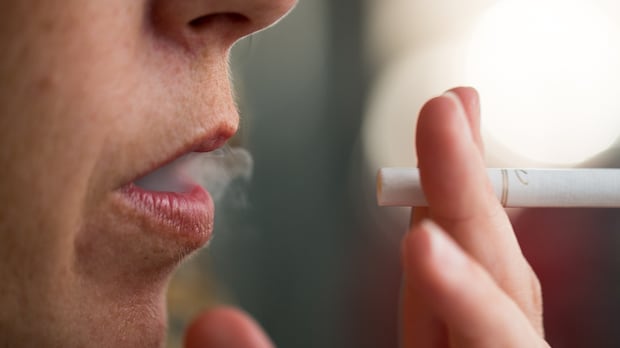
Prince Edward Island’s deputy chief public health officer, Dr. David Sabapathy, announced that smoking cessation rates in the province are stabilizing. He is encouraging Islanders to explore available options to quit smoking and vaping. Recent surveys from the Chief Public Health Office indicate that around 11 percent of residents use tobacco, a figure slightly above the national average.
While tobacco use in the province has been on a downward trend, the reductions have become increasingly marginal. Dr. Sabapathy noted, “We’re getting to that point now where the numbers, depending on the sample size, are roughly the same every year.” He explained that fluctuations in usage rates make it difficult to gauge progress accurately.
Expanding Smoking Cessation Programs
The Smoking Cessation Program, launched in December 2019, offers free nicotine replacement therapy to all residents. Participants can receive up to 18 weeks of therapy aimed at aiding them in quitting smoking or vaping. Although cessation medications are available, Dr. Sabapathy revealed that only about 25 percent of participants utilize these aids.
January traditionally marks the peak enrollment period for the program, coinciding with many individuals’ New Year’s resolutions to quit. In 2025, the program reached a record high, enrolling over 2,000 Islanders. Since its inception, more than 9,000 residents have availed themselves of these services.
Dr. Sabapathy emphasized the importance of continued support, stating, “The success rate of quitting is around five to 10 percent without supports in place.” In contrast, engagement with the program significantly increases the success rate to approximately 30 percent, illustrating the program’s effectiveness.
Addressing Vaping Challenges
The rise in vaping has introduced new complexities into the conversation surrounding smoking cessation. Dr. Sabapathy remarked that it remains uncertain whether vaping is a safer alternative to cigarettes. Nonetheless, the provincial program includes resources for those seeking to quit vaping as well.
Recent data from a COMPASS survey highlighted that about 30 percent of Grade 12 students in the province reported using e-cigarettes or vaping products within the last month. Dr. Sabapathy acknowledged the dual role of vaping; while it may help some individuals reduce tobacco use, it has not been effectively integrated into formal cessation programs. He stated, “We still use the things that are proven, such as nicotine gum or the patch. We know those things work for sure for an entire population.”
In light of these developments, the Chief Public Health Office is actively exploring ways to enhance the cessation program. One significant alteration came in 2024, when pharmacies began offering the program, contributing to the notable increase in enrollment last year.
As the province continues to confront the challenges posed by both smoking and vaping, officials remain committed to providing effective resources for Islanders seeking to improve their health. Dr. Sabapathy concluded, “Quitting is not easy,” but with the right support, many can find success in their journey toward a smoke-free life.












Morris Churches Unite for Annual Good Friday Walk With the Cross

Chloe Zhao’s ‘Buffy’ Reboot Cancelled: Sarah Michelle Gellar Speaks Out

Essential Ingredients for Life Found in Ryugu Asteroid Samples

Urgent Rescue: NSR Airlifts Injured Climber from Nanaimo

Riverside Heart Ball Achieves Record $815,000 for Mental Health

Cognizant Launches AI Factory to Enhance Enterprise AI Scalability

Samsung’s Galaxy Watch 9 to Feature Larger Battery Than Before

Toronto’s AIDS Memorial Faces Potential Redesign Amid Community Concerns

Bayern Munich Loses Luis Díaz Red Card Appeal Despite Referee’s Admission

Secwepemc First Nation Seeks Aboriginal Title Over Kamloops Area

Fatal Crash on Highway 11 Claims Three Lives, Major Closure Ongoing

Manitoba’s Burger Champion Shines Again Amid Dining Innovations

Canadian Curler E.J. Harnden Announces Retirement from Competition

Urgent Fire Erupts at Salvation Army on Christmas Evening

Scientists Unearth Ancient Antarctic Ice to Unlock Climate Secrets

Minister Faces Scrutiny Over Delayed Foreign Interference Watchdog Appointment

Trump and McCormick to Announce $70 Billion Energy Investments

Monika Hibbs Unveils Acres Market & Interiors in Major Rebrand
-
 Politics5 months ago
Secwepemc First Nation Seeks Aboriginal Title Over Kamloops Area
-
 Top Stories4 months ago
Fatal Crash on Highway 11 Claims Three Lives, Major Closure Ongoing
-
 Lifestyle7 months ago
Manitoba’s Burger Champion Shines Again Amid Dining Innovations
-
 Sports4 months ago
Canadian Curler E.J. Harnden Announces Retirement from Competition
-
 Top Stories4 months ago
Urgent Fire Erupts at Salvation Army on Christmas Evening
-
 World9 months ago
Scientists Unearth Ancient Antarctic Ice to Unlock Climate Secrets
-
 World5 months ago
Minister Faces Scrutiny Over Delayed Foreign Interference Watchdog Appointment
-
 Entertainment9 months ago
Trump and McCormick to Announce $70 Billion Energy Investments
-
 Lifestyle9 months ago
Monika Hibbs Unveils Acres Market & Interiors in Major Rebrand
-

 Science9 months ago
Four Astronauts Return to Earth After International Space Station Mission
-

 Lifestyle9 months ago
TransLink Launches Food Truck Program to Boost Revenue in Vancouver
-

 World2 months ago
Ranchman’s Cookhouse & Dancehall to Relocate by Early 2027