
Health
Manitoba Health Officer Urges Flu Vaccination Despite Mismatches

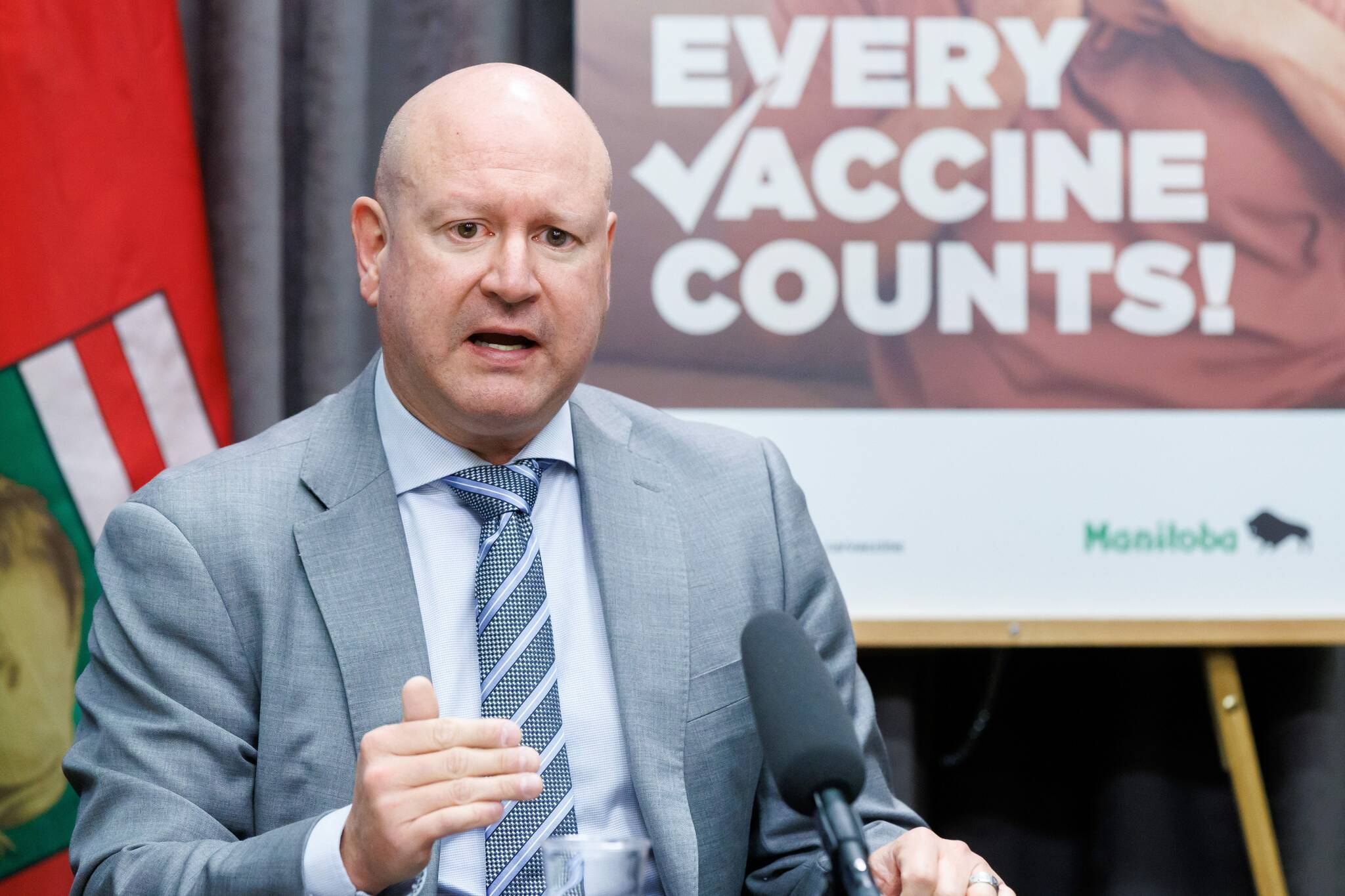
Dr. Brent Roussin, Manitoba’s chief provincial public health officer, is strongly encouraging residents to receive their influenza vaccinations, even though concerns have been raised about a potential mismatch with the latest H3N2 virus mutation. This recommendation comes amidst a significant rise in influenza cases across the province.
Increase in Influenza Cases
Recent data indicates a “dramatic increase” in test positivity rates for influenza in Manitoba, primarily linked to the H3N2 subtype of influenza A. Between November 23 and November 29, there were 41 new cases reported in the Prairie Mountain Health region alone, contributing to a total of 556 influenza cases statewide since late August.
Dr. Roussin highlighted that the evolution of influenza A makes it particularly challenging to predict vaccine effectiveness early in the season. “It’s really important that the discussion about a possible mismatch shouldn’t affect anyone’s decision to receive that vaccine, because it’s still our best protection,” he stated.
Understanding Mismatches and Vaccine Effectiveness
The World Health Organization develops the influenza vaccine for the northern hemisphere based on data from the southern hemisphere. Dr. Roussin explained that if a strain mutates after the vaccine formulation, a mismatch can occur. “Influenza A is notorious for evolving and is often more severe, spreading earlier in the season than influenza B,” he noted.
The current vaccine offers protection against influenza A subtypes H3N2 and H1N1, as well as influenza B. Dr. Roussin emphasized that even if the vaccine’s effectiveness against contracting the illness is not optimal, it is generally effective at preventing severe outcomes. “Those are the outcomes we are really concerned about,” he added.
As of late November, the province reported 1,623 emergency department visits related to respiratory issues, with 46 hospital admissions attributed to influenza and three deaths. “It’s predictable that we see these severe outcomes, and most times, they occur in unvaccinated individuals,” Dr. Roussin explained.
He recommends that everyone over the age of six months receive both the COVID-19 and influenza vaccines, especially those at higher risk, including individuals over 65 and those with underlying health conditions. “We know both these vaccines have good safety profiles and are effective at preventing severe outcomes,” he affirmed.
In addition to vaccination, Dr. Roussin encouraged public health measures to mitigate the spread of respiratory viruses, including frequent hand washing, coughing into sleeves, and staying home when sick. The province has administered more than 288,000 flu shots and over 205,000 COVID-19 vaccines since August.
Jan Loe, director of public health services for Prairie Mountain Health, noted that while community clinics are winding down, vaccination remains crucial. “We continue to encourage vaccination and for people to talk to their local public health nurse, pharmacist, or primary care provider about options to protect themselves and their communities,” she stated.
As Manitoba faces an uptick in respiratory illnesses, public health officials stress the importance of vaccination as a key tool in safeguarding individual and community health.









Manitoba’s New Emergency Placement Policy Sparks Urgent Concerns

Calgary Police Urge Parents to Combat AI-Generated Child Exploitation

Yukon Premier Promises Cancer Coverage for Wildland Firefighters

Toronto Condo Sales Stagnate as Builders Face Market Challenges

New CEO of CCI Vows to Enhance Support for Canadian Businesses

Invest Wisely for the Year-End Rally: Insights from Experts

Tim Brandt Honors Late Brother Through Winnipeg’s Little Free Libraries

Blue Jays’ Jose Berrios Sparks Controversy with Candid Comments

Family Demands Answers in 70-Year-Old Halifax Murder Case

Secwepemc First Nation Seeks Aboriginal Title Over Kamloops Area

Scientists Unearth Ancient Antarctic Ice to Unlock Climate Secrets

Trump and McCormick to Announce $70 Billion Energy Investments

Four Astronauts Return to Earth After International Space Station Mission

TransLink Launches Food Truck Program to Boost Revenue in Vancouver

Apple Notes Enhances Functionality with Markdown Support in macOS 26

Manitoba’s Burger Champion Shines Again Amid Dining Innovations

Urgent Update: Fatal Crash on Highway 99 Claims Life of Pitt Meadows Man

Homemade Houseboat ‘Neverlanding’ Captivates Lake Huron Voyagers
-
 Politics1 month ago
Secwepemc First Nation Seeks Aboriginal Title Over Kamloops Area
-
 World5 months ago
Scientists Unearth Ancient Antarctic Ice to Unlock Climate Secrets
-
 Entertainment5 months ago
Trump and McCormick to Announce $70 Billion Energy Investments
-
 Science5 months ago
Four Astronauts Return to Earth After International Space Station Mission
-
 Lifestyle5 months ago
TransLink Launches Food Truck Program to Boost Revenue in Vancouver
-
 Technology3 months ago
Apple Notes Enhances Functionality with Markdown Support in macOS 26
-
 Lifestyle3 months ago
Manitoba’s Burger Champion Shines Again Amid Dining Innovations
-
 Top Stories2 months ago
Urgent Update: Fatal Crash on Highway 99 Claims Life of Pitt Meadows Man
-
 Top Stories1 week ago
Homemade Houseboat ‘Neverlanding’ Captivates Lake Huron Voyagers
-

 Politics4 months ago
Ukrainian Tennis Star Elina Svitolina Faces Death Threats Online
-
 Sports5 months ago
Search Underway for Missing Hunter Amid Hokkaido Bear Emergency
-
 Politics5 months ago
Carney Engages First Nations Leaders at Development Law Summit