
Health
RCMP Faces Class Action Over Invasive Medical Exams Allegations

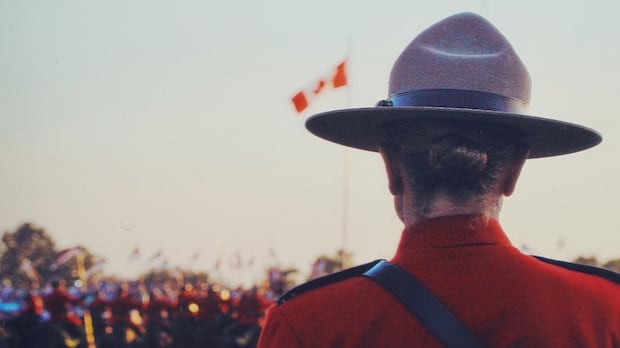
A class-action lawsuit has emerged against the Royal Canadian Mounted Police (RCMP), with allegations from approximately 1,000 current and former employees that they endured “improper and invasive” medical examinations during recruitment. These exams reportedly included unnecessary breast, genital, and rectal checks that some plaintiffs describe as amounting to sexual assault.
According to legal representatives, the suit was filed in 2019 and received certification in 2021. Initially, it centered on allegations against two RCMP doctors. Following media attention, numerous complaints surfaced regarding the conduct of 26 medical professionals associated with the RCMP. Lead attorney Megan McPhee emphasizes the seriousness of these allegations, which involve inappropriate examinations conducted under the guise of medical necessity.
The case is set to proceed in Federal Court in Toronto on January 19, 2024, where McPhee will seek compensation and a summary judgment that could resolve the matter without a full trial. The RCMP, while declining to comment on specific allegations, maintains that there is no evidence of “systemic negligence” within its medical examination protocols.
During the legal process, the RCMP was required to submit an internal form used by doctors for medical screenings. This form included a checklist that raised concerns among plaintiffs. McPhee stated, “Many of us were surprised by some of the things on the form,” referring to procedures like squeezing applicants’ breasts to check for discharge and examining genitalia for circumcision status. “It doesn’t screen for occupational health,” she added, questioning the relevance of such examinations for applicants aspiring to be police officers.
The RCMP’s medical examination practices have evolved over time. A review in 2018 by Dr. Josée Pilon of the RCMP’s Occupational Health and Safety Branch noted that while the examinations adhered to the standards of the time, mandatory inspections of sensitive areas were eliminated as a requirement in 2006. The RCMP has stated that it adapted its practices in line with modern occupational health standards, enhancing privacy and administrative safeguards.
The allegations also highlight cases involving male applicants who underwent similar invasive procedures. One current member of the RCMP, who chose to remain anonymous, expressed confusion over being given a prostate exam without any explanation of its relevance to his role. He voiced frustration upon learning that such procedures were not uniformly applied to all candidates.
The class action gained momentum after several women shared their experiences, including Sylvie Corriveau, who recounted an incident from 1989, when she was subjected to inappropriate examinations by an RCMP doctor. “He was rubbing, he was massaging. He was not conducting a medical exam,” Corriveau stated, reflecting on her feelings of fear and vulnerability during the procedure. Despite reporting the incident to various authorities, including the RCMP and local police, no criminal charges were filed.
In a separate but related context, retired Supreme Court Justice Michel Bastarache has urged the Canadian government to offer compensation to recruits who faced mistreatment, noting that many women made allegations of sexual abuse by RCMP doctors but were ineligible for compensation due to the timing of the incidents.
As the case unfolds, it raises critical questions about the adequacy of oversight and the practices that have shaped the RCMP’s medical examination protocols. The outcome may have significant implications, not only for the individuals involved but also for the broader accountability of the RCMP in its treatment of recruits and employees.










NFL Stars Elevate Travel with Lavish Private Jets

Seniors Debate Old Age Security Payments Amid Financial Concerns

Colm Feore Voices Multiple Characters in Oscar-Nominated Short

Don Monahan Launches Urgent PC Leadership Bid in New Brunswick

Chef Jason Sawision Triumphs with Bronze at Canadian Culinary Championship

Scientists Harness Carrot Waste to Grow Fungi for Protein Source

Victoria Counsellors Launch Innovative Podcast to Enhance Mental Health Access

Eglinton Crosstown LRT Launches in Toronto After 5,000 Days

Strategy Transforms into Leveraged Bitcoin Vehicle Amid $12.4B Loss

Secwepemc First Nation Seeks Aboriginal Title Over Kamloops Area

Scientists Unearth Ancient Antarctic Ice to Unlock Climate Secrets

Urgent Fire Erupts at Salvation Army on Christmas Evening

Canadian Curler E.J. Harnden Announces Retirement from Competition

Manitoba’s Burger Champion Shines Again Amid Dining Innovations

Fatal Crash on Highway 11 Claims Three Lives, Major Closure Ongoing

Trump and McCormick to Announce $70 Billion Energy Investments

Four Astronauts Return to Earth After International Space Station Mission

TransLink Launches Food Truck Program to Boost Revenue in Vancouver
-
 Politics3 months ago
Secwepemc First Nation Seeks Aboriginal Title Over Kamloops Area
-
 World7 months ago
Scientists Unearth Ancient Antarctic Ice to Unlock Climate Secrets
-
 Top Stories1 month ago
Urgent Fire Erupts at Salvation Army on Christmas Evening
-
 Sports1 month ago
Canadian Curler E.J. Harnden Announces Retirement from Competition
-
 Lifestyle5 months ago
Manitoba’s Burger Champion Shines Again Amid Dining Innovations
-
 Top Stories2 months ago
Fatal Crash on Highway 11 Claims Three Lives, Major Closure Ongoing
-
 Entertainment7 months ago
Trump and McCormick to Announce $70 Billion Energy Investments
-
 Science7 months ago
Four Astronauts Return to Earth After International Space Station Mission
-
 Lifestyle7 months ago
TransLink Launches Food Truck Program to Boost Revenue in Vancouver
-

 Technology5 months ago
Apple Notes Enhances Functionality with Markdown Support in macOS 26
-

 Top Stories1 month ago
Blue Jays Sign Kazuma Okamoto: Impact on Bo Bichette’s Future
-

 Top Stories2 months ago
NHL Teams Inquire About Marc-André Fleury’s Potential Return