
Health
Snow Shoveling Warning: Experts Urge Caution to Avoid Heart Risks

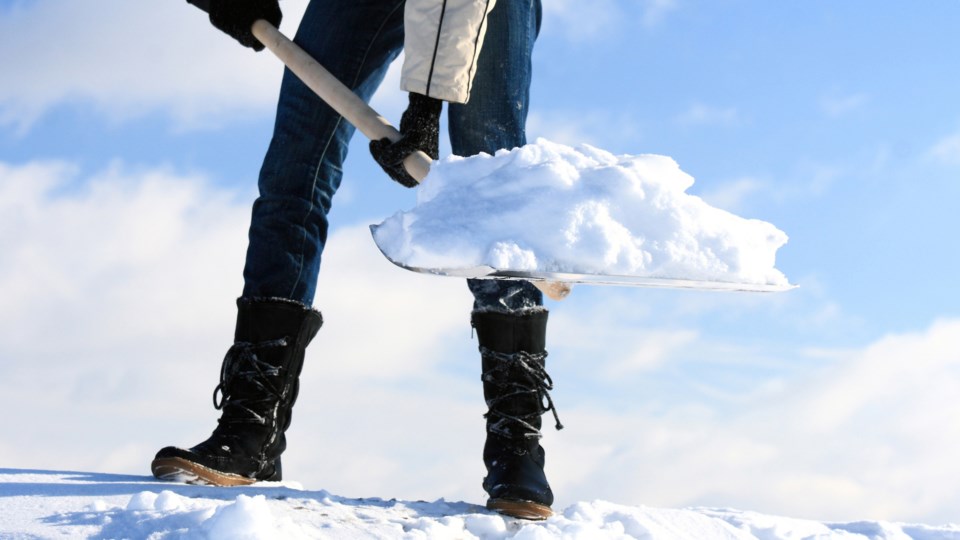
As winter weather continues to impact regions across North America, experts are stressing the importance of caution while shoveling snow. Hamilton Health Sciences has issued a warning regarding the potential health risks associated with this common winter activity. Specifically, they emphasize the heightened risk of heart attacks during strenuous physical exertion, especially for individuals who may not be in optimal physical condition.
Heart attacks can occur when individuals engage in vigorous activities such as shoveling snow, particularly after a period of inactivity. The combination of cold temperatures and physical exertion can place significant strain on the heart. According to health officials, this risk is particularly pronounced among older adults and those with underlying health conditions.
Recognizing the Warning Signs
To help mitigate these risks, Hamilton Health Sciences advises individuals to be aware of the warning signs of a heart attack. Symptoms may include chest pain, shortness of breath, lightheadedness, and excessive fatigue. It is crucial for anyone experiencing these symptoms while shoveling snow to stop immediately and seek medical assistance.
During the winter months, emergency departments often see an increase in heart-related incidents linked to snow shoveling. In January 2024 alone, reports indicate a notable spike in emergency visits due to snow-related activities. This pattern underscores the need for public awareness surrounding safe practices during heavy snowfall.
In addition to recognizing warning signs, health experts encourage individuals to take preventive measures. These include warming up before shoveling, taking frequent breaks, and staying hydrated. It is also advisable to use ergonomic shovels designed to minimize strain on the back and arms.
Recommendations for Safe Snow Removal
For those who must shovel snow, Hamilton Health Sciences recommends several strategies to reduce the risk of heart-related issues. Individuals should avoid overexertion and consider enlisting help from others, especially if large amounts of snow accumulate. If possible, using a snow blower can reduce physical strain significantly.
Additionally, experts suggest monitoring weather conditions and planning snow removal during warmer parts of the day. This can help decrease the cardiovascular strain associated with cold temperatures. It is also vital for individuals to listen to their bodies and stop if they feel any discomfort.
As snow continues to blanket many areas, public health officials urge everyone to prioritize their safety. By recognizing the risks associated with snow shoveling and adopting preventive measures, individuals can enjoy a safer winter season. Staying informed and cautious may prevent potentially serious health emergencies during this challenging time of year.












Morris Churches Unite for Annual Good Friday Walk With the Cross

Chloe Zhao’s ‘Buffy’ Reboot Cancelled: Sarah Michelle Gellar Speaks Out

Essential Ingredients for Life Found in Ryugu Asteroid Samples

Urgent Rescue: NSR Airlifts Injured Climber from Nanaimo

Riverside Heart Ball Achieves Record $815,000 for Mental Health

Cognizant Launches AI Factory to Enhance Enterprise AI Scalability

Samsung’s Galaxy Watch 9 to Feature Larger Battery Than Before

Toronto’s AIDS Memorial Faces Potential Redesign Amid Community Concerns

Bayern Munich Loses Luis Díaz Red Card Appeal Despite Referee’s Admission

Secwepemc First Nation Seeks Aboriginal Title Over Kamloops Area

Fatal Crash on Highway 11 Claims Three Lives, Major Closure Ongoing

Manitoba’s Burger Champion Shines Again Amid Dining Innovations

Canadian Curler E.J. Harnden Announces Retirement from Competition

Urgent Fire Erupts at Salvation Army on Christmas Evening

Scientists Unearth Ancient Antarctic Ice to Unlock Climate Secrets

Minister Faces Scrutiny Over Delayed Foreign Interference Watchdog Appointment

Trump and McCormick to Announce $70 Billion Energy Investments

Four Astronauts Return to Earth After International Space Station Mission
-
 Politics5 months ago
Secwepemc First Nation Seeks Aboriginal Title Over Kamloops Area
-
 Top Stories4 months ago
Fatal Crash on Highway 11 Claims Three Lives, Major Closure Ongoing
-
 Lifestyle7 months ago
Manitoba’s Burger Champion Shines Again Amid Dining Innovations
-
 Sports3 months ago
Canadian Curler E.J. Harnden Announces Retirement from Competition
-
 Top Stories3 months ago
Urgent Fire Erupts at Salvation Army on Christmas Evening
-
 World9 months ago
Scientists Unearth Ancient Antarctic Ice to Unlock Climate Secrets
-
 World5 months ago
Minister Faces Scrutiny Over Delayed Foreign Interference Watchdog Appointment
-
 Entertainment9 months ago
Trump and McCormick to Announce $70 Billion Energy Investments
-
 Science9 months ago
Four Astronauts Return to Earth After International Space Station Mission
-

 Lifestyle9 months ago
TransLink Launches Food Truck Program to Boost Revenue in Vancouver
-

 Lifestyle9 months ago
Monika Hibbs Unveils Acres Market & Interiors in Major Rebrand
-

 World1 month ago
Ranchman’s Cookhouse & Dancehall to Relocate by Early 2027