
Lifestyle
Anti-Trans Hate Surges Following Tumbler Ridge School Shooting

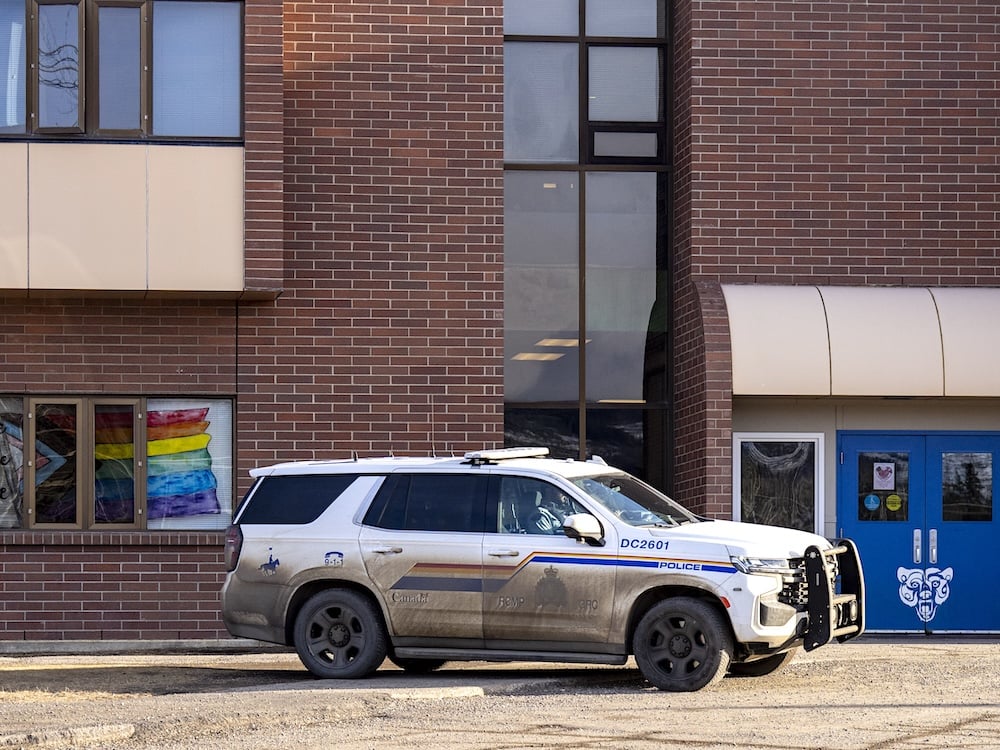
A recent school shooting in Tumbler Ridge, British Columbia, has sparked a wave of anti-trans rhetoric online. On February 11, police described a suspect as a “female in a dress” during a lockdown at the local high school. The situation escalated dramatically when the suspect was identified as Jesse Van Rootselaar, an 18-year-old transgender woman. This led to a barrage of criticism aimed at the transgender community, politicians, and healthcare professionals.
Following the identification of the shooter, right-wing media outlets intensified their narratives, attributing the violence to the acceptance of transgender individuals and even the presence of a Pride flag at the school. A commentator on a livestream by Rebel News, Lise Merle, controversially stated, “Do you know what that flag on schools in Canada means now? Danger, danger.” This sentiment reflects a troubling pattern identified by Alejandra Caraballo, a U.S. lawyer who tracks online hate against trans individuals. Caraballo noted that similar accusations have frequently emerged after mass shootings in the United States, regardless of the shooter’s identity.
The narrative surrounding the Tumbler Ridge shooting aligns with a broader trend of scapegoating the transgender community. A 2025 fact sheet from GLAAD, an organization dedicated to LGBTQ2S+ rights, found that out of 5,748 mass shootings in the U.S. from 2013 to 2025, only five were committed by transgender individuals, accounting for just 0.1 percent. The report also highlighted a lack of evidence supporting claims of increasing radicalization among transgender people.
The online response to the Tumbler Ridge incident included misleading social media posts. An account known as The Pleb Reporter shared images of an unrelated transgender woman, claiming she was connected to the shooting. Although the account later retracted the post, the misleading images had already circulated widely, demonstrating the rapid spread of misinformation.
Steven Rai, a senior analyst at the Institute for Strategic Dialogue, investigated Van Rootselaar’s social media presence. He noted that while she had openly discussed her struggles with mental health, including depression and obsessive-compulsive disorder, he found no evidence that her transgender identity motivated her actions during the shooting.
Echoing these sentiments, Evan Balgord, executive director of the Canadian Anti-Hate Network, emphasized that the rhetoric from certain commentators meets the criteria for hate speech in Canada. He remarked that courts have recognized the dangers of using real tragedies to demonize entire groups.
In the aftermath of the shooting, right-wing figures have called for a rollback of protections for transgender individuals. Tara Armstrong, an Independent MLA in British Columbia, has made several posts on social media attributing the shooting to the perpetrator’s transgender identity. Balgord criticized this behavior, drawing parallels to how other marginalized groups have been unfairly blamed for violence based on the actions of individuals.
The situation has raised concerns among advocates for the transgender community, who argue that acceptance and support are crucial for mental health. Jaigris Hodson, a professor at Royal Roads University, noted that the anti-trans discourse has intensified following the shooting. She expressed alarm at the degree to which the trans community has been scapegoated, not just in this incident but in a broader context.
As discussions surrounding this tragedy continue, it is essential to recognize the impact of rhetoric on vulnerable communities. The blame directed at the transgender community following the Tumbler Ridge shooting reflects a wider societal issue, highlighting the need for compassion and understanding rather than division and hate.













Morris Churches Unite for Annual Good Friday Walk With the Cross

Chloe Zhao’s ‘Buffy’ Reboot Cancelled: Sarah Michelle Gellar Speaks Out

Essential Ingredients for Life Found in Ryugu Asteroid Samples

Urgent Rescue: NSR Airlifts Injured Climber from Nanaimo

Riverside Heart Ball Achieves Record $815,000 for Mental Health

Cognizant Launches AI Factory to Enhance Enterprise AI Scalability

Samsung’s Galaxy Watch 9 to Feature Larger Battery Than Before

Toronto’s AIDS Memorial Faces Potential Redesign Amid Community Concerns

Bayern Munich Loses Luis Díaz Red Card Appeal Despite Referee’s Admission

Secwepemc First Nation Seeks Aboriginal Title Over Kamloops Area

Fatal Crash on Highway 11 Claims Three Lives, Major Closure Ongoing

Manitoba’s Burger Champion Shines Again Amid Dining Innovations

Canadian Curler E.J. Harnden Announces Retirement from Competition

Urgent Fire Erupts at Salvation Army on Christmas Evening

Scientists Unearth Ancient Antarctic Ice to Unlock Climate Secrets

Minister Faces Scrutiny Over Delayed Foreign Interference Watchdog Appointment

Trump and McCormick to Announce $70 Billion Energy Investments

Four Astronauts Return to Earth After International Space Station Mission
-
 Politics5 months ago
Secwepemc First Nation Seeks Aboriginal Title Over Kamloops Area
-
 Top Stories4 months ago
Fatal Crash on Highway 11 Claims Three Lives, Major Closure Ongoing
-
 Lifestyle7 months ago
Manitoba’s Burger Champion Shines Again Amid Dining Innovations
-
 Sports3 months ago
Canadian Curler E.J. Harnden Announces Retirement from Competition
-
 Top Stories3 months ago
Urgent Fire Erupts at Salvation Army on Christmas Evening
-
 World9 months ago
Scientists Unearth Ancient Antarctic Ice to Unlock Climate Secrets
-
 World5 months ago
Minister Faces Scrutiny Over Delayed Foreign Interference Watchdog Appointment
-
 Entertainment9 months ago
Trump and McCormick to Announce $70 Billion Energy Investments
-
 Science9 months ago
Four Astronauts Return to Earth After International Space Station Mission
-

 Lifestyle9 months ago
TransLink Launches Food Truck Program to Boost Revenue in Vancouver
-

 Lifestyle9 months ago
Monika Hibbs Unveils Acres Market & Interiors in Major Rebrand
-

 World1 month ago
Ranchman’s Cookhouse & Dancehall to Relocate by Early 2027