
Lifestyle
Downtown Vancouver Office Vacancy Rate Climbs to 11.9% in Q2 2025

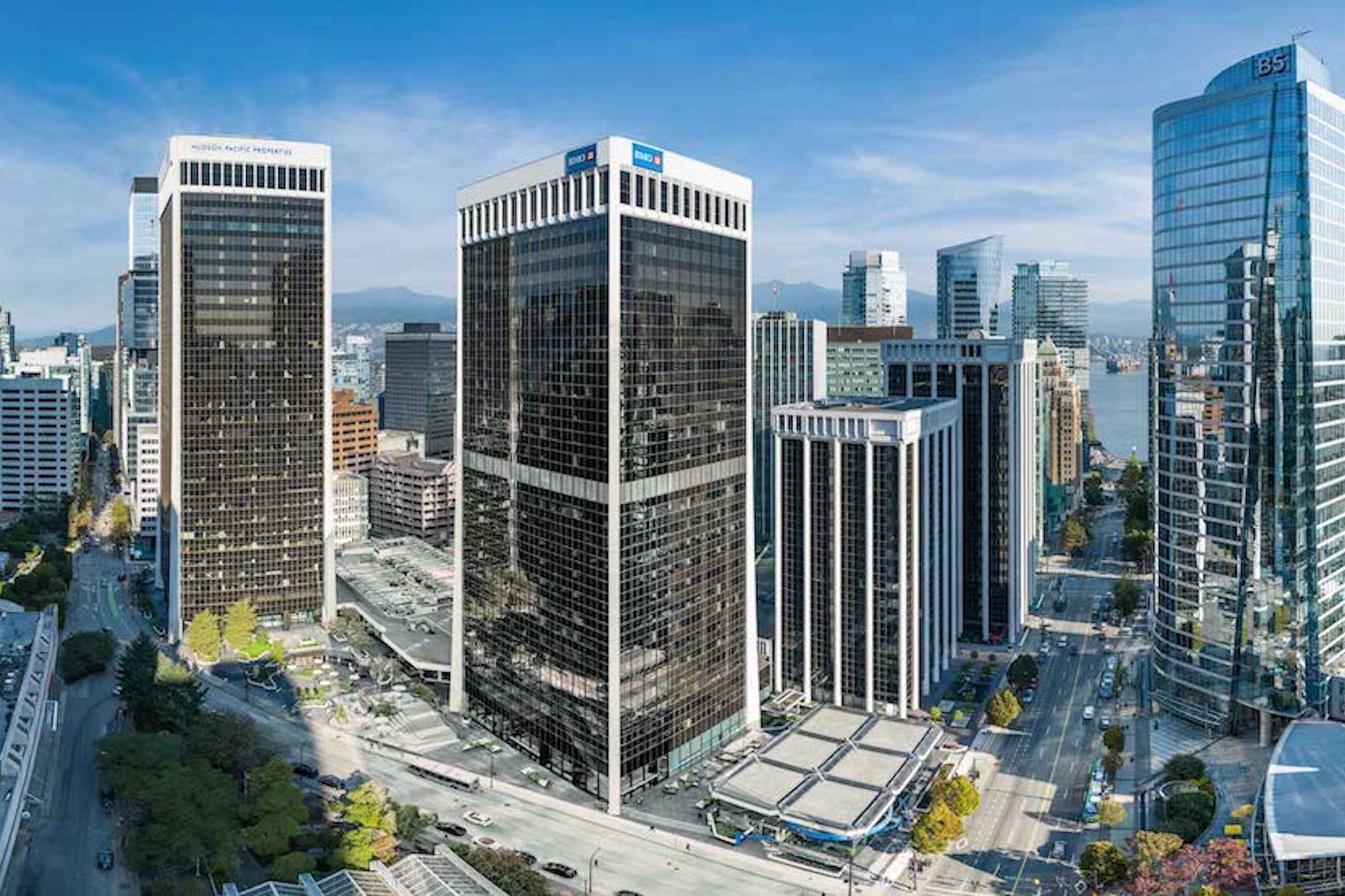
The office vacancy rate in downtown Vancouver has increased significantly, reaching **11.9%** in the second quarter of **2025**. This marks a **1.2%** rise from the previous quarter, as reported by **CBRE** in its latest bulletin. The overall vacancy rate for Metro Vancouver also experienced a slight increase, growing from **10.7%** to **10.9%**.
The uptick in downtown Vancouver’s vacancy rate can be attributed to the reintroduction of nearly **100,000 square feet** of premium Class AAA sublet space into the market. A key factor in this shift is an education provider releasing its space, which may reflect changes in immigration policies affecting the number of international students in the area. This increase brings the city’s vacancy rates back to levels not seen since the third quarters of **2023** and **2024**, periods that marked some of the highest rates since the onset of the pandemic.
Trends in Office Space Quality
The trends seen in downtown Vancouver’s office market continue to illustrate the post-pandemic “flight to quality.” Vacancies for premium Class AAA and Class A office spaces rose by **1%** to **9.6%**, while lower-quality Class B and Class C spaces experienced a larger increase of **1.3%**, reaching **15.2%**. This indicates a marked preference among tenants for higher-quality office environments.
In contrast, the suburban market surrounding downtown Vancouver saw its vacancy rate decrease by **0.9%**, falling from **10.8%** to **9.9%** during the same period. This divergence suggests that while downtown areas struggle with rising vacancies, the demand for office space in suburban regions is holding steady.
Currently, there are **583,000 square feet** of new office space under construction across Metro Vancouver, with **50%** of this space already pre-leased. Notably, just **29,000 square feet** of this construction is located in downtown Vancouver, raising questions about the area’s future occupancy rates.
Market Insights and Economic Factors
Despite the rising vacancy rates, downtown Vancouver and Metro Vancouver as a whole remain among Canada’s tightest office markets. This trend has persisted since before the pandemic. The recent quarter saw Vancouver, along with Calgary and Toronto, experience the largest influx of office space returning to the market. In a contrasting move, Montreal and Edmonton reported the highest net office leasing figures in the country during this period.
According to **Paul Morassutti**, chairman of CBRE Canada, the leasing momentum in the office market, which had been steadily building, is being impacted by economic uncertainty and increasing job losses. These factors are reverberating through the office leasing landscape, suggesting a cautious approach from businesses regarding their real estate needs.
The industrial space market in Metro Vancouver also faced challenges, with the vacancy rate rising to **5.1%** as a result of new large availabilities exceeding **50,000 square feet**. The total number of industrial listings in this size category has now reached **55 locations**. Although the market has improved from previously tight conditions, average asking leasing rates continue to rise, albeit at a slower pace.
In the second quarter, **755,000 square feet** of new industrial space was completed, with another **4.2 million square feet** currently under construction. Of this, **2.9 million square feet** is expected to be completed by the end of **2025**. Approximately half of the new inventory is “built-to-suit,” meaning it will not significantly affect market availability.
Morassutti commented on the current state of the industrial market, stating, “You don’t need a canary in a coal mine — you just need to watch the news to understand why the industrial market is slowing.” He noted that the industrial sector is readjusting after the pandemic-driven logistics boom, emphasizing that speculative construction will continue to influence availability through **2026**.
In summary, the shifts in both the office and industrial markets reflect broader economic trends and changing demands in Metro Vancouver, underscoring the need for adaptability in an evolving commercial real estate landscape.











Morris Churches Unite for Annual Good Friday Walk With the Cross

Chloe Zhao’s ‘Buffy’ Reboot Cancelled: Sarah Michelle Gellar Speaks Out

Essential Ingredients for Life Found in Ryugu Asteroid Samples

Urgent Rescue: NSR Airlifts Injured Climber from Nanaimo

Riverside Heart Ball Achieves Record $815,000 for Mental Health

Cognizant Launches AI Factory to Enhance Enterprise AI Scalability

Samsung’s Galaxy Watch 9 to Feature Larger Battery Than Before

Toronto’s AIDS Memorial Faces Potential Redesign Amid Community Concerns

Bayern Munich Loses Luis Díaz Red Card Appeal Despite Referee’s Admission

Secwepemc First Nation Seeks Aboriginal Title Over Kamloops Area

Fatal Crash on Highway 11 Claims Three Lives, Major Closure Ongoing

Manitoba’s Burger Champion Shines Again Amid Dining Innovations

Canadian Curler E.J. Harnden Announces Retirement from Competition

Urgent Fire Erupts at Salvation Army on Christmas Evening

Scientists Unearth Ancient Antarctic Ice to Unlock Climate Secrets

Minister Faces Scrutiny Over Delayed Foreign Interference Watchdog Appointment

Trump and McCormick to Announce $70 Billion Energy Investments

Four Astronauts Return to Earth After International Space Station Mission
-
 Politics5 months ago
Secwepemc First Nation Seeks Aboriginal Title Over Kamloops Area
-
 Top Stories4 months ago
Fatal Crash on Highway 11 Claims Three Lives, Major Closure Ongoing
-
 Lifestyle7 months ago
Manitoba’s Burger Champion Shines Again Amid Dining Innovations
-
 Sports3 months ago
Canadian Curler E.J. Harnden Announces Retirement from Competition
-
 Top Stories3 months ago
Urgent Fire Erupts at Salvation Army on Christmas Evening
-
 World9 months ago
Scientists Unearth Ancient Antarctic Ice to Unlock Climate Secrets
-
 World5 months ago
Minister Faces Scrutiny Over Delayed Foreign Interference Watchdog Appointment
-
 Entertainment9 months ago
Trump and McCormick to Announce $70 Billion Energy Investments
-
 Science9 months ago
Four Astronauts Return to Earth After International Space Station Mission
-
 Lifestyle9 months ago
TransLink Launches Food Truck Program to Boost Revenue in Vancouver
-

 Lifestyle9 months ago
Monika Hibbs Unveils Acres Market & Interiors in Major Rebrand
-
 World1 month ago
Ranchman’s Cookhouse & Dancehall to Relocate by Early 2027