
Lifestyle
Eby Criticized Over Alberta Independence Stance Amid Political Tensions

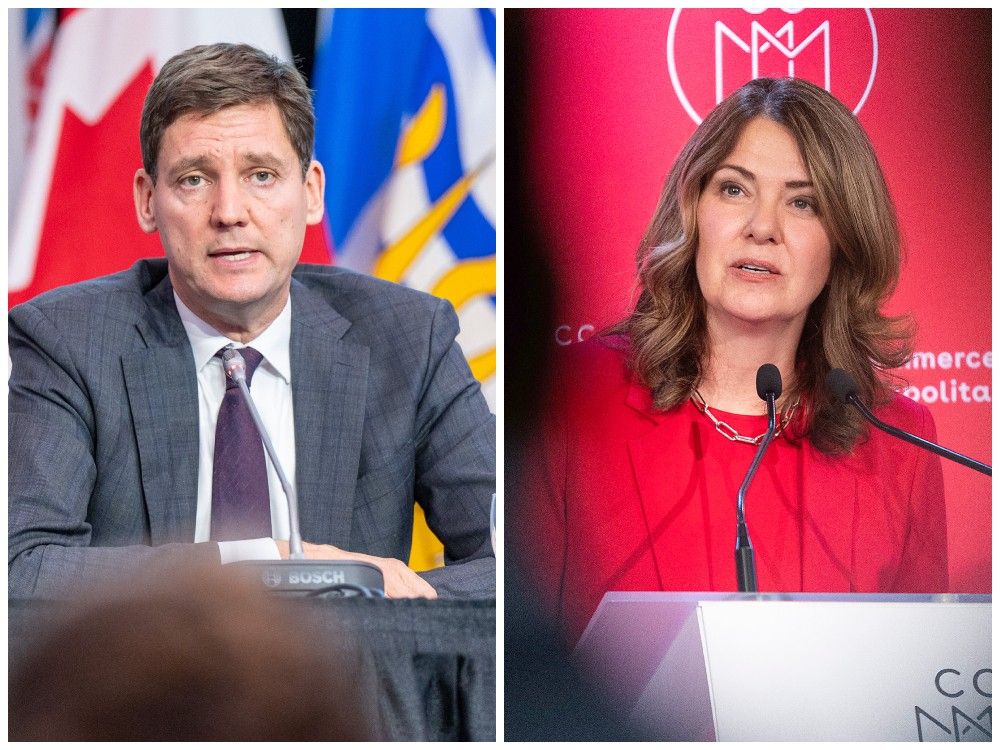
Political tensions are rising in Canada as British Columbia Premier David Eby faces criticism for his response to Alberta’s discussions regarding independence. In a recent article, columnist Rick Bell examined Eby’s comments about representatives from Alberta meeting with U.S. officials, labeling his reaction as performative and hypocritical.
Eby expressed outrage over the potential for Alberta’s independence movement, even using the term “treason” in reference to the discussions. Critics argue that this response is inconsistent with his past support for environmental activists and his opposition to Alberta’s pipeline projects. Some observers, like JT Morse, have pointed out that politicians often invoke national unity only when it aligns with their interests, raising questions about Eby’s commitment to the concept of Canada as a united front.
Several letters to the editor reflect a growing frustration among Canadians regarding the political landscape. Don Honeychurch expressed embarrassment over the voting patterns of the baby boomer generation, noting that 54% of individuals over 55 support the Liberal Party, while only 34% favor the Conservative Party. He criticized senior conservatives who, despite their political affiliation, remain skeptical of Conservative leader Pierre Poilievre without providing substantial reasoning.
The discourse surrounding Alberta’s potential separation has also drawn mixed reactions. Dick Varley, a long-time proponent of Alberta’s autonomy, cautioned that the province’s landlocked status poses significant challenges. He remarked that without the support of other western provinces, Alberta’s chances of thriving independently are slim.
Concerns about economic stability are echoed in a letter from John Waddell, who highlighted the struggles faced by retired seniors on fixed incomes. Waddell calculated that his monthly pension income for 2026 has only increased by $40.07, despite rising costs in essential areas such as healthcare, taxes, and food. He criticized the government for prioritizing foreign aid and corporate subsidies over meaningful support for pensioners, emphasizing the urgent need for a more equitable financial framework.
As these discussions unfold, the political landscape in Canada remains fraught with challenges. With issues of national unity, economic stability, and generational divides at the forefront, the responses from leaders like Eby will continue to shape the narrative surrounding Alberta’s aspirations and the broader implications for Canadian governance.










American Airlines Pilots Challenge Management After Poor Results

Kirsten Hillman Concludes Historic Ambassadorial Tenure in Washington

Centenarian Mildred “Blondie” Siegel Celebrates 100 Years of Life

Experts Warn of Rapid Rise in AI-Generated Threats to Canada

Trump Faces Criticism as Super Bowl Approaches Without His Presence

Researchers Test Birth Control to Tame Chicago’s Rat Population

Trump Skips Super Bowl Amid Rising Tensions and Backlash

European Central Bank Maintains Steady Rates Amid Resilient Economy

Canada Invests $570 Million to Reskill Auto Workers for Future

Secwepemc First Nation Seeks Aboriginal Title Over Kamloops Area

Scientists Unearth Ancient Antarctic Ice to Unlock Climate Secrets

Urgent Fire Erupts at Salvation Army on Christmas Evening

Canadian Curler E.J. Harnden Announces Retirement from Competition

Manitoba’s Burger Champion Shines Again Amid Dining Innovations

Fatal Crash on Highway 11 Claims Three Lives, Major Closure Ongoing

Trump and McCormick to Announce $70 Billion Energy Investments

Four Astronauts Return to Earth After International Space Station Mission

TransLink Launches Food Truck Program to Boost Revenue in Vancouver
-
 Politics3 months ago
Secwepemc First Nation Seeks Aboriginal Title Over Kamloops Area
-
 World7 months ago
Scientists Unearth Ancient Antarctic Ice to Unlock Climate Secrets
-
 Top Stories1 month ago
Urgent Fire Erupts at Salvation Army on Christmas Evening
-
 Sports1 month ago
Canadian Curler E.J. Harnden Announces Retirement from Competition
-
 Lifestyle5 months ago
Manitoba’s Burger Champion Shines Again Amid Dining Innovations
-
 Top Stories2 months ago
Fatal Crash on Highway 11 Claims Three Lives, Major Closure Ongoing
-
 Entertainment7 months ago
Trump and McCormick to Announce $70 Billion Energy Investments
-
 Science7 months ago
Four Astronauts Return to Earth After International Space Station Mission
-
 Lifestyle7 months ago
TransLink Launches Food Truck Program to Boost Revenue in Vancouver
-

 Technology5 months ago
Apple Notes Enhances Functionality with Markdown Support in macOS 26
-

 Top Stories1 month ago
Blue Jays Sign Kazuma Okamoto: Impact on Bo Bichette’s Future
-

 Top Stories2 months ago
NHL Teams Inquire About Marc-André Fleury’s Potential Return