
Politics
Alberta’s Bill 13 Empowers Freedom of Speech in Professions

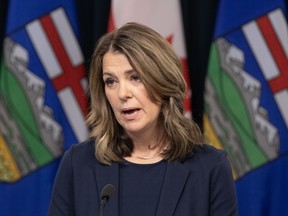
The Alberta government has introduced **Bill 13**, known as the **Regulated Professions Neutrality Act**, aimed at safeguarding freedom of thought and speech for professionals across the province. This legislative proposal seeks to protect the rights of thousands of Albertans who work in regulated fields such as law, medicine, and education, asserting that these individuals do not relinquish their constitutional rights when they enter their workplaces.
The bill addresses a troubling trend where regulatory bodies have increasingly sought to govern the off-duty speech of their members, often extending to personal opinions on political, cultural, or religious matters. Christine Van Geyn, litigation director of the **Canadian Constitution Foundation**, highlighted the importance of this legislation, suggesting it should serve as a model for other provinces.
Concerns Over Professional Regulation
Recent examples illustrate the growing scrutiny of professionals for their expressions outside their workplace. A notable case involved **Jordan Peterson**, a well-known psychologist, who faced disciplinary action from the **Ontario College of Psychologists** based on complaints related to his social media posts. These posts addressed a range of topics, including climate change and critical gender theory. Peterson’s subsequent challenge against the tribunal’s decision ended unfavorably for him, raising concerns among many professionals about the financial and personal costs of contesting such actions.
Other incidents have further underscored these issues. A physician faced a caution from the **Health Professions Appeal and Review Board** due to comments made about theology as part of her religious beliefs. In Saskatchewan, a nurse received disciplinary action for critiquing the end-of-life care her grandfather received on social media. Additionally, a complaint was raised with the **Law Society of Alberta** regarding a former solicitor general over a neighborhood dispute. While the tribunal found him not guilty, the mere existence of such complaints highlights the potential for overreach by regulatory bodies.
Key Provisions of Bill 13
Bill 13 introduces several critical provisions designed to uphold freedom of expression among regulated professionals. First, it clearly states that regulators cannot discipline individuals for personal expressions made outside of their professional duties unless these expressions involve threats of violence, misuse of their professional position, or other serious ethical violations. This clarification is essential in protecting private political speech and controversial opinions.
Moreover, the bill mandates a principle of regulatory neutrality. Regulatory bodies are prohibited from promoting ideologies that assign moral value based on characteristics like race, sex, religion, or political beliefs. This measure aims to prevent the enforcement of diversity, equity, and inclusion (DEI) frameworks that may compromise the impartiality of professional oversight.
Another significant aspect of Bill 13 is its restriction on mandatory training. Regulators can require training only directly linked to professional competence, excluding topics like unconscious bias or cultural competency, which have been contentious in professional settings.
Finally, Bill 13 establishes a new standard of review for regulatory decisions. Traditionally, courts have granted considerable deference to regulators under a “reasonableness” standard. The new legislation would apply a “correctness” standard, requiring regulators to demonstrate that their actions align with constitutional requirements, particularly regarding free speech.
As Van Geyn notes, the issues surrounding professional speech regulation are not confined to Alberta. The proposed legislation could serve as a template for other provinces, reinforcing the need to establish clear boundaries for regulatory authority. “If freedom of expression is a constitutional right, it should not depend on where someone is licensed,” she stated, emphasizing the national relevance of these concerns.
By adopting measures akin to those in Bill 13, provincial governments could bolster public confidence in professional oversight while ensuring that Canadian citizens can engage in democratic discourse without fear of professional repercussions. The implications of this legislation could resonate well beyond Alberta, potentially reshaping the landscape of professional regulation across the nation.











Urgent: P.E.I. Set for First Major Snowfall This Week

Sudbury Police Seize Loaded Handgun, Cocaine, $5,425 in Drug Bust

December 2025 Premium Bonds Draw: Check Your Winning Status

Toronto Schools Share Principal to Cut Costs, Parents Express Concerns

Discover the Seven Longest Flights from the US to Europe in 2025

Alberta’s Bill 13 Empowers Freedom of Speech in Professions

Peel Parents Struggle with Child Care Shortages as Waitlists Soar

Montreal Exhibit Celebrates 30 Years of Sex Worker Activism

Ontario’s ‘Safer Supply’ Drug Crisis: Experts Call for Urgent Reform

Secwepemc First Nation Seeks Aboriginal Title Over Kamloops Area

Scientists Unearth Ancient Antarctic Ice to Unlock Climate Secrets

Trump and McCormick to Announce $70 Billion Energy Investments

TransLink Launches Food Truck Program to Boost Revenue in Vancouver

Four Astronauts Return to Earth After International Space Station Mission

Apple Notes Enhances Functionality with Markdown Support in macOS 26

Manitoba’s Burger Champion Shines Again Amid Dining Innovations

Urgent Update: Fatal Crash on Highway 99 Claims Life of Pitt Meadows Man

Ukrainian Tennis Star Elina Svitolina Faces Death Threats Online
-
 Politics4 weeks ago
Secwepemc First Nation Seeks Aboriginal Title Over Kamloops Area
-
 World5 months ago
Scientists Unearth Ancient Antarctic Ice to Unlock Climate Secrets
-
 Entertainment5 months ago
Trump and McCormick to Announce $70 Billion Energy Investments
-
 Lifestyle5 months ago
TransLink Launches Food Truck Program to Boost Revenue in Vancouver
-
 Science5 months ago
Four Astronauts Return to Earth After International Space Station Mission
-
 Technology3 months ago
Apple Notes Enhances Functionality with Markdown Support in macOS 26
-
 Lifestyle3 months ago
Manitoba’s Burger Champion Shines Again Amid Dining Innovations
-
 Top Stories2 months ago
Urgent Update: Fatal Crash on Highway 99 Claims Life of Pitt Meadows Man
-
 Politics4 months ago
Ukrainian Tennis Star Elina Svitolina Faces Death Threats Online
-

 Sports5 months ago
Search Underway for Missing Hunter Amid Hokkaido Bear Emergency
-
 Politics5 months ago
Carney Engages First Nations Leaders at Development Law Summit
-

 Technology5 months ago
Frosthaven Launches Early Access on July 31, 2025