
Politics
B.C. Legislature Faces Daily Culture Wars Over Social Issues

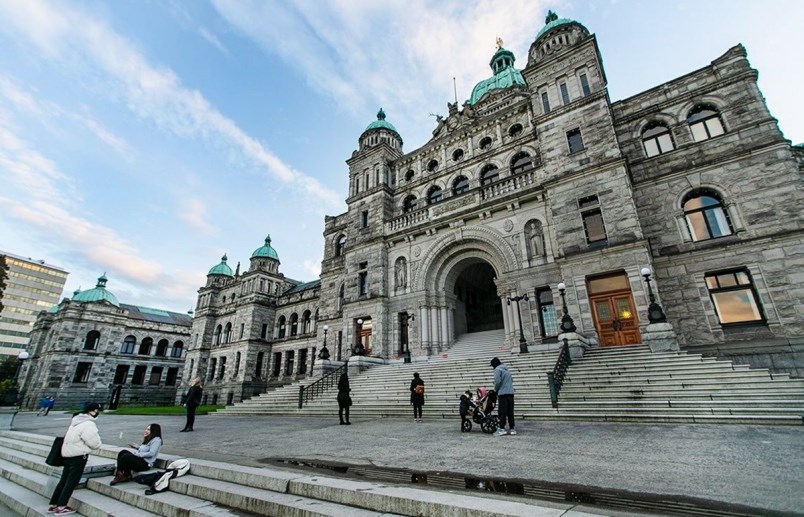
Recent developments in the British Columbia (B.C.) legislature have transformed routine legislative proceedings into daily spectacles centered around social issues. Members of the Legislative Assembly (MLAs) from the OneBC party have increasingly engaged in what can be described as culture-war debates, drawing significant attention on social media platforms.
The focus on fringe social issues has shifted the dynamic within the Legislative Assembly, impacting the nature of discussions and the legislative agenda. In a political environment that is often polarized, these debates have become a focal point for public discourse, highlighting the ongoing tensions across the political spectrum.
Culture Wars in the Legislature
Rob Shaw, a political commentator, notes that the B.C. legislature has become a venue where social issues overshadow traditional governance. This shift raises concerns about the effectiveness of legislative processes, as MLAs are often seen prioritizing social media engagement over substantive policy discussions. The attention garnered from these culture-war spectacles can sometimes detract from pressing legislative matters.
As MLAs engage in these debates, they often employ provocative rhetoric that resonates with their respective bases. The use of social media amplifies these discussions, allowing for rapid dissemination of information and opinions. This environment fosters a climate where the emphasis is placed on performance rather than policy, leading to a cycle of reactionary politics.
The Impact on Governance
The increasing focus on culture-war issues has implications for governance in B.C. According to various observers, this trend could hinder the ability of the legislature to address critical issues facing the province. Areas such as healthcare, education, and infrastructure may take a backseat as social issues dominate the conversation.
Moreover, the dynamic within the legislature reflects broader societal divisions. These culture wars may resonate with constituents, but they also risk alienating those who seek constructive dialogue on vital policy matters. The challenge for MLAs lies in finding a balance between representing their constituents’ views and ensuring that governance remains effective and focused on the public good.
In this context, the role of media becomes essential. Responsible reporting can help inform the public about the implications of these debates and facilitate a more nuanced understanding of the issues at hand. As the B.C. legislature grapples with these challenges, the conversation surrounding governance and social issues will likely continue to evolve, influencing political landscapes in the province and beyond.
The events unfolding in the B.C. legislature serve as a reminder of the complexities inherent in modern governance. With social media shaping public discourse, the responsibility lies with both politicians and journalists to navigate these issues thoughtfully, ensuring that the focus remains on effective governance and the needs of the people.












Morris Churches Unite for Annual Good Friday Walk With the Cross

Chloe Zhao’s ‘Buffy’ Reboot Cancelled: Sarah Michelle Gellar Speaks Out

Essential Ingredients for Life Found in Ryugu Asteroid Samples

Urgent Rescue: NSR Airlifts Injured Climber from Nanaimo

Riverside Heart Ball Achieves Record $815,000 for Mental Health

Cognizant Launches AI Factory to Enhance Enterprise AI Scalability

Samsung’s Galaxy Watch 9 to Feature Larger Battery Than Before

Toronto’s AIDS Memorial Faces Potential Redesign Amid Community Concerns

Bayern Munich Loses Luis Díaz Red Card Appeal Despite Referee’s Admission

Secwepemc First Nation Seeks Aboriginal Title Over Kamloops Area

Fatal Crash on Highway 11 Claims Three Lives, Major Closure Ongoing

Manitoba’s Burger Champion Shines Again Amid Dining Innovations

Canadian Curler E.J. Harnden Announces Retirement from Competition

Urgent Fire Erupts at Salvation Army on Christmas Evening

Scientists Unearth Ancient Antarctic Ice to Unlock Climate Secrets

Minister Faces Scrutiny Over Delayed Foreign Interference Watchdog Appointment

Trump and McCormick to Announce $70 Billion Energy Investments

Four Astronauts Return to Earth After International Space Station Mission
-
 Politics5 months ago
Secwepemc First Nation Seeks Aboriginal Title Over Kamloops Area
-
 Top Stories4 months ago
Fatal Crash on Highway 11 Claims Three Lives, Major Closure Ongoing
-
 Lifestyle7 months ago
Manitoba’s Burger Champion Shines Again Amid Dining Innovations
-
 Sports3 months ago
Canadian Curler E.J. Harnden Announces Retirement from Competition
-
 Top Stories3 months ago
Urgent Fire Erupts at Salvation Army on Christmas Evening
-
 World9 months ago
Scientists Unearth Ancient Antarctic Ice to Unlock Climate Secrets
-
 World5 months ago
Minister Faces Scrutiny Over Delayed Foreign Interference Watchdog Appointment
-
 Entertainment9 months ago
Trump and McCormick to Announce $70 Billion Energy Investments
-
 Science9 months ago
Four Astronauts Return to Earth After International Space Station Mission
-

 Lifestyle9 months ago
TransLink Launches Food Truck Program to Boost Revenue in Vancouver
-

 Lifestyle9 months ago
Monika Hibbs Unveils Acres Market & Interiors in Major Rebrand
-

 World1 month ago
Ranchman’s Cookhouse & Dancehall to Relocate by Early 2027