
Politics
British Columbia’s North Coast: A Call to Uphold Oil Tanker Ban

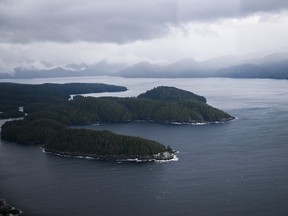
British Columbia (B.C.) is on high alert as discussions among provincial leaders raise concerns over the potential repeal of the oil tanker moratorium on the North Coast. The current policy prohibits oil tankers carrying more than 12,500 metric tons of crude from stopping, loading, or unloading at ports in one of the world’s most perilous maritime regions. The moratorium is not merely a regulatory measure; it represents a commitment to safeguarding local ecosystems, respecting Indigenous leadership, and prioritizing sustainable economic development.
This week, Prime Minister Mark Carney met privately with provincial premiers, including Alberta Premier Danielle Smith, who hinted that an announcement regarding a new oil pipeline could be imminent. Ontario Premier Doug Ford criticized the tanker ban as “the craziest idea” he has ever encountered. Such sentiments overlook a crucial point: the North Coast is not a bargaining chip for political gains; it is a vital resource for the people of B.C.
Premier David Eby may find himself in the minority during these discussions, but he represents the voice of British Columbians who have clearly stated their opposition to oil tankers along the coast. The grassroots movement that fortified the North Coast Tanker Ban in 2019 remains active and committed to defending the region against any perceived threats.
The waters of Hecate Strait are notoriously dangerous, with waves reaching heights of up to 20 meters. An oil spill in this area would have catastrophic consequences, not only for marine life but also for local economies and communities reliant on fishing and tourism. The devastating effects of the Exxon Valdez disaster in 1989 serve as a stark reminder of the potential risks, where approximately 11 million gallons of oil were released into Prince William Sound, causing long-lasting environmental damage.
The Great Bear Sea, encompassing 10 million hectares of rich cold-water ecosystems, is crucial for sustaining diverse marine species, including all five species of Pacific salmon. This region also has significant cultural importance to Indigenous communities who have traditionally stewarded these waters.
As discussions unfold, it is essential to recognize that the push for new fossil fuel projects is primarily driven by profit motives rather than the interests of local populations. British Columbians are increasingly aware that a transition to renewable energy sources is not only viable but also necessary for a sustainable future. Renewable energy has emerged as the most cost-effective energy option globally, creating jobs and reducing utility costs while fostering local economic independence.
With the world moving towards clean energy solutions, the question arises: why risk the integrity of the North Coast for short-term gains associated with oil pipelines? British Columbia stands at a crossroads, with the opportunity to lead in the development of clean energy industries such as solar and wind power.
The stakes are high; the risk of compromising a healthy coastal economy for the benefit of oil company shareholders is too great. British Columbians have drawn a definitive line: they will not trade their coast, their livelihoods, or their children’s futures for the fleeting profits of fossil fuel interests.
In conclusion, the call is clear: uphold the North Coast Tanker Ban and continue to build a sustainable, prosperous future that aligns with the values of the community and the environment. As the debate progresses, it is vital to remember the promise made to protect this cherished region and to ensure that it remains a thriving habitat for generations to come.









Urgent: Hazen Creek Habitat Restored, Boosting Wildlife Health

City Initiates New Business Survey to Update Strategy

Edmonton Transit Phases Out Paper Tickets by December 2025

Vancouver Canucks Send Elias Pettersson to AHL for Reset

Local Schools Show Improvement in EQAO Results for 2024-2025

Oakland Police Withhold Body Camera Footage in Doug Martin Case

B.C. Conservative Leader John Rustad Faces Call for Removal

Urgent Update: Prince Albert Charges Man in July Murder Case

Matawa First Nations Declares Emergency Over Funding Crisis

Secwepemc First Nation Seeks Aboriginal Title Over Kamloops Area

Scientists Unearth Ancient Antarctic Ice to Unlock Climate Secrets

Trump and McCormick to Announce $70 Billion Energy Investments

Four Astronauts Return to Earth After International Space Station Mission

TransLink Launches Food Truck Program to Boost Revenue in Vancouver

Apple Notes Enhances Functionality with Markdown Support in macOS 26

Manitoba’s Burger Champion Shines Again Amid Dining Innovations

Urgent Update: Fatal Crash on Highway 99 Claims Life of Pitt Meadows Man

Ukrainian Tennis Star Elina Svitolina Faces Death Threats Online
-
 Politics4 weeks ago
Secwepemc First Nation Seeks Aboriginal Title Over Kamloops Area
-
 World5 months ago
Scientists Unearth Ancient Antarctic Ice to Unlock Climate Secrets
-
 Entertainment5 months ago
Trump and McCormick to Announce $70 Billion Energy Investments
-
 Science5 months ago
Four Astronauts Return to Earth After International Space Station Mission
-
 Lifestyle5 months ago
TransLink Launches Food Truck Program to Boost Revenue in Vancouver
-
 Technology3 months ago
Apple Notes Enhances Functionality with Markdown Support in macOS 26
-
 Lifestyle3 months ago
Manitoba’s Burger Champion Shines Again Amid Dining Innovations
-
 Top Stories2 months ago
Urgent Update: Fatal Crash on Highway 99 Claims Life of Pitt Meadows Man
-
 Politics4 months ago
Ukrainian Tennis Star Elina Svitolina Faces Death Threats Online
-

 Sports5 months ago
Search Underway for Missing Hunter Amid Hokkaido Bear Emergency
-
 Politics5 months ago
Carney Engages First Nations Leaders at Development Law Summit
-

 Technology5 months ago
Frosthaven Launches Early Access on July 31, 2025