
Politics
Canada Declares Santa Claus a Citizen, Sparking Debate on Identity

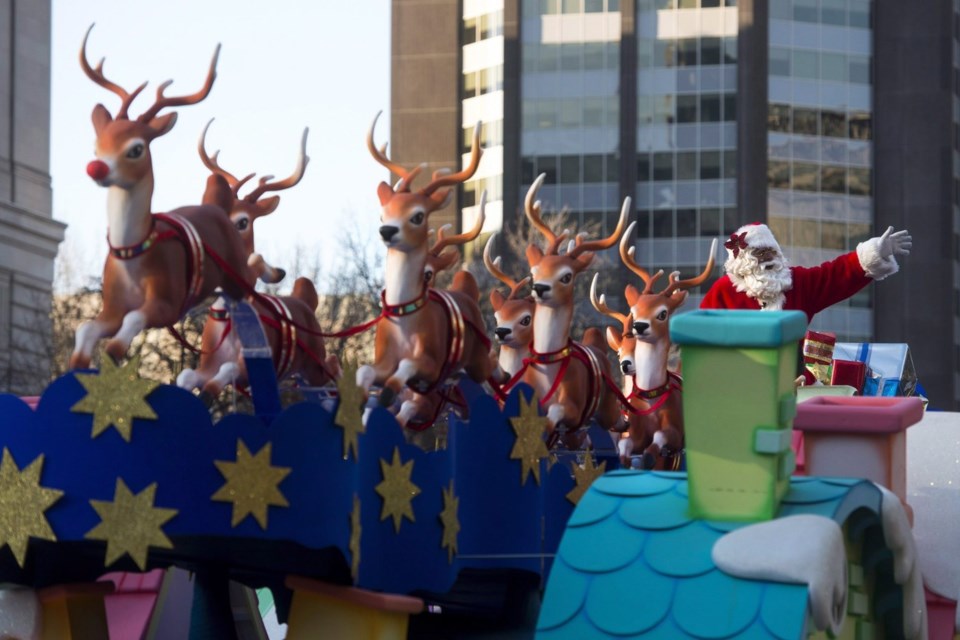
In a surprising announcement, the Government of Canada has declared that Santa Claus is a Canadian citizen. This statement not only affirms Santa’s citizenship but also claims that Canadian sovereignty extends to his residence and workshop located at the North Pole.
The declaration was made on December 1, 2023, as part of a festive initiative aimed at enhancing Canada’s cultural identity. This move has sparked discussions about the implications of Santa’s citizenship, particularly in relation to citizenship laws and national identity.
Santa’s Citizenship: The Details
According to the official statement from the Canadian government, Santa Claus has been granted citizenship in recognition of his longstanding ties to the nation. The government asserts that Santa’s North Pole operations fall under Canadian jurisdiction, further solidifying his status as a citizen.
This announcement coincides with the broader theme of Canadian values, emphasizing inclusivity and diversity. The government aims to promote a sense of unity during the holiday season, positioning Santa Claus as a symbol of national pride.
In the spirit of the holidays, Minister of Heritage Pablo Rodriguez remarked, “Santa Claus embodies the essence of giving and community that we value in Canada.” His comments reflect the government’s intent to intertwine cultural figures with national identity.
Public Reactions and Implications
The announcement has elicited mixed reactions from the public and experts alike. Many Canadians celebrate the decision, viewing it as a lighthearted acknowledgment of a beloved cultural icon. Social media platforms have been buzzing with hashtags like #SantaIsCanadian, leading to playful debates about Santa’s immigration status.
Conversely, some critics argue that the announcement trivializes serious discussions about citizenship and identity. Questions have arisen regarding the legal implications of extending citizenship to fictional characters and what this means for Canadian sovereignty.
Legal scholars have weighed in on the discussion, emphasizing that while the declaration is symbolic, it raises interesting questions about the boundaries of citizenship in modern society. The debate highlights the evolving nature of national identity and how it is reflected through cultural narratives.
As the holiday season approaches, the government is also leveraging this announcement to boost tourism. Canada hopes that Santa’s newfound citizenship will encourage visitors to explore the North Pole experience, potentially increasing holiday travel to the country.
In summary, Canada’s declaration of Santa Claus as a citizen serves as both a festive celebration of cultural identity and a catalyst for broader discussions about citizenship and national belonging. The implications of this announcement are likely to resonate well beyond the holiday season, prompting Canadians and others to reflect on what it means to belong to a nation.











Morris Churches Unite for Annual Good Friday Walk With the Cross

Chloe Zhao’s ‘Buffy’ Reboot Cancelled: Sarah Michelle Gellar Speaks Out

Essential Ingredients for Life Found in Ryugu Asteroid Samples

Urgent Rescue: NSR Airlifts Injured Climber from Nanaimo

Riverside Heart Ball Achieves Record $815,000 for Mental Health

Cognizant Launches AI Factory to Enhance Enterprise AI Scalability

Samsung’s Galaxy Watch 9 to Feature Larger Battery Than Before

Toronto’s AIDS Memorial Faces Potential Redesign Amid Community Concerns

Bayern Munich Loses Luis Díaz Red Card Appeal Despite Referee’s Admission

Secwepemc First Nation Seeks Aboriginal Title Over Kamloops Area

Fatal Crash on Highway 11 Claims Three Lives, Major Closure Ongoing

Manitoba’s Burger Champion Shines Again Amid Dining Innovations

Canadian Curler E.J. Harnden Announces Retirement from Competition

Urgent Fire Erupts at Salvation Army on Christmas Evening

Scientists Unearth Ancient Antarctic Ice to Unlock Climate Secrets

Minister Faces Scrutiny Over Delayed Foreign Interference Watchdog Appointment

Trump and McCormick to Announce $70 Billion Energy Investments

Monika Hibbs Unveils Acres Market & Interiors in Major Rebrand
-
 Politics5 months ago
Secwepemc First Nation Seeks Aboriginal Title Over Kamloops Area
-
 Top Stories4 months ago
Fatal Crash on Highway 11 Claims Three Lives, Major Closure Ongoing
-
 Lifestyle7 months ago
Manitoba’s Burger Champion Shines Again Amid Dining Innovations
-
 Sports3 months ago
Canadian Curler E.J. Harnden Announces Retirement from Competition
-
 Top Stories3 months ago
Urgent Fire Erupts at Salvation Army on Christmas Evening
-
 World9 months ago
Scientists Unearth Ancient Antarctic Ice to Unlock Climate Secrets
-
 World5 months ago
Minister Faces Scrutiny Over Delayed Foreign Interference Watchdog Appointment
-
 Entertainment9 months ago
Trump and McCormick to Announce $70 Billion Energy Investments
-
 Lifestyle9 months ago
Monika Hibbs Unveils Acres Market & Interiors in Major Rebrand
-

 Science9 months ago
Four Astronauts Return to Earth After International Space Station Mission
-

 Lifestyle9 months ago
TransLink Launches Food Truck Program to Boost Revenue in Vancouver
-

 World1 month ago
Ranchman’s Cookhouse & Dancehall to Relocate by Early 2027