
Politics
Judges’ Association Challenges Government Over $28K Pay Increase Denial

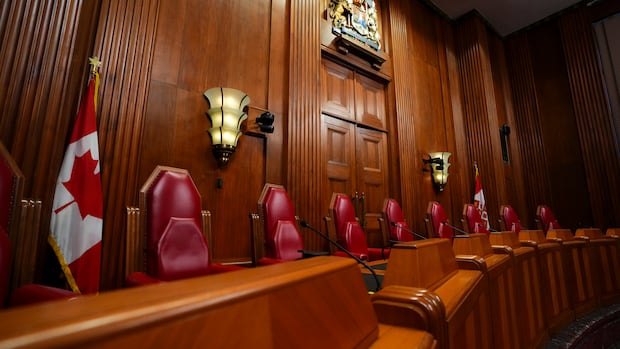
A group representing federally appointed judges in Canada is initiating legal action against the federal government following its rejection of a proposed pay raise of at least $28,000. The Judges’ Association argues that the government’s decision undermines the recommendations of an independent review and fails to recognize the critical role of judges in the legal system.
The association’s move comes after the government declined to implement a wage increase recommended by an independent advisory panel, which had determined that judges’ salaries have not kept pace with inflation or the rising cost of living. This decision, made public in early March 2024, has ignited concerns within the judiciary about fair compensation for judicial roles.
Legal Grounds for the Challenge
According to the Judges’ Association, the rejection violates the principles of judicial independence, which are essential for maintaining public confidence in the legal system. The association insists that adequate remuneration is fundamental to attracting and retaining qualified individuals in the judiciary.
The legal challenge, which is set to be filed in federal court, seeks not only the implementation of the proposed pay increase but also a review of the government’s overall approach to judicial compensation. The association contends that the government has historically undervalued the contributions of judges and that this latest decision is a continuation of that trend.
In a statement, the association expressed disappointment, stating, “Judicial salaries must reflect the importance of the work judges do and the responsibilities they carry. The government’s decision to reject a well-founded recommendation is both troubling and unprecedented.”
Potential Implications of the Lawsuit
The outcome of this legal action could have significant implications for the future of judicial compensation in Canada. If the court rules in favor of the Judges’ Association, it may set a precedent for how judicial salaries are determined and could compel the federal government to reconsider its stance on judicial remuneration.
This case also highlights broader issues regarding public sector salaries and the challenges of maintaining an independent judiciary in the face of governmental budget constraints. Legal experts suggest that the case could draw considerable attention, not only from legal professionals but also from the general public, as it raises questions about the value placed on public service roles.
As this situation unfolds, the Judges’ Association remains committed to advocating for fair and just compensation for judges, emphasizing the need for the government to uphold its responsibilities to the judiciary. The filing of the lawsuit is expected to occur within the coming weeks, and both parties are preparing for a potentially protracted legal battle.












DIY Houseboat “Neverlanding” Docks in Michigan After Epic Journey

Man Awaits Sentencing After Stabbing TTC Rider, Victim Critical

Vancouver Man Wins $500,000 Lottery, Plans Condo Purchase Now

United Airlines Reduces Boeing 777 Flight Schedule for December

Judges’ Association Challenges Government Over $28K Pay Increase Denial

Veteran Ed Martin Champions Community Service Through Volunteering

Mission Hill Family Estate Ranked Among World’s 50 Best Vineyards

Quantum Computers Set to Revolutionize Drug and Fertilizer Development

Teen Mental Health Crisis Surges, Driven by Distress and School Policies

Secwepemc First Nation Seeks Aboriginal Title Over Kamloops Area

Scientists Unearth Ancient Antarctic Ice to Unlock Climate Secrets

Trump and McCormick to Announce $70 Billion Energy Investments

Four Astronauts Return to Earth After International Space Station Mission

TransLink Launches Food Truck Program to Boost Revenue in Vancouver

Apple Notes Enhances Functionality with Markdown Support in macOS 26

Manitoba’s Burger Champion Shines Again Amid Dining Innovations

Urgent Update: Fatal Crash on Highway 99 Claims Life of Pitt Meadows Man

Ukrainian Tennis Star Elina Svitolina Faces Death Threats Online
-
 Politics4 weeks ago
Secwepemc First Nation Seeks Aboriginal Title Over Kamloops Area
-
 World5 months ago
Scientists Unearth Ancient Antarctic Ice to Unlock Climate Secrets
-
 Entertainment5 months ago
Trump and McCormick to Announce $70 Billion Energy Investments
-
 Science5 months ago
Four Astronauts Return to Earth After International Space Station Mission
-
 Lifestyle5 months ago
TransLink Launches Food Truck Program to Boost Revenue in Vancouver
-
 Technology3 months ago
Apple Notes Enhances Functionality with Markdown Support in macOS 26
-
 Lifestyle3 months ago
Manitoba’s Burger Champion Shines Again Amid Dining Innovations
-
 Top Stories2 months ago
Urgent Update: Fatal Crash on Highway 99 Claims Life of Pitt Meadows Man
-
 Politics4 months ago
Ukrainian Tennis Star Elina Svitolina Faces Death Threats Online
-

 Sports5 months ago
Search Underway for Missing Hunter Amid Hokkaido Bear Emergency
-

 Politics5 months ago
Carney Engages First Nations Leaders at Development Law Summit
-

 Technology5 months ago
Frosthaven Launches Early Access on July 31, 2025