
Politics
Trump and Putin Envoy Agree to Controversial Peace Plan for Ukraine

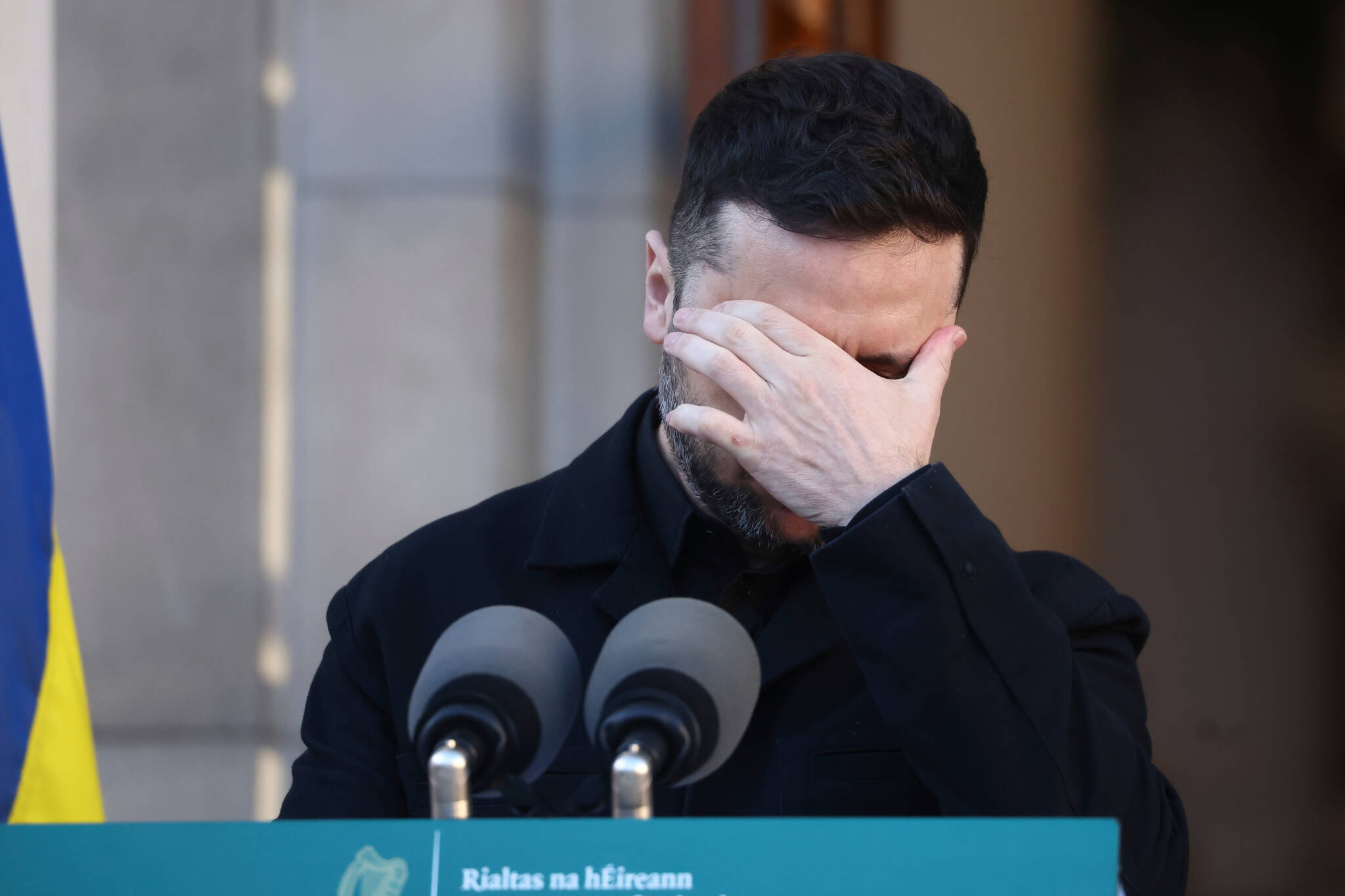
In a significant development, Steve Witkoff, a special envoy from United States President Donald Trump, and Kirill Dmitriev, a prominent adviser to Russian President Vladimir Putin, have reached an agreement on a 28-point peace plan aimed at concluding the ongoing conflict in Ukraine. This plan, however, has drawn sharp criticism for its apparent lack of inclusion of Ukrainian perspectives and interests.
The ongoing war, which escalated following Russia’s full-scale invasion in February 2022, has resulted in a high human toll, although precise figures remain undisclosed due to restrictions imposed by both Russia and Ukraine. The absence of Ukrainian representatives in the peace negotiations raises concerns about the plan’s viability and fairness, suggesting it primarily reflects Russian interests rather than a balanced approach to peace.
Negotiations Without Ukraine
Since the invasion began, multiple attempts at peace negotiations have surfaced, with initial discussions taking place in Turkey shortly after the conflict erupted. However, these talks were undermined by revelations of Russian atrocities, particularly in the suburb of Bucha. Following this, both Russia and Ukraine shifted their focus to achieving their respective military objectives.
Ukraine’s strategy has centered on regaining full territorial control, but setbacks during a counter-offensive in the summer of 2023 have diminished prospects for an immediate victory. The conflict has evolved into a prolonged war of attrition, making external support increasingly critical for Ukraine. Despite advocating for American involvement in peace discussions, the recent negotiations involving the 28-point plan have indicated a tilt towards accommodating Russian demands.
Controversial Terms of the Peace Plan
Critics of the peace plan have highlighted its apparent bias towards Russia. Reports suggest that Marco Rubio, the U.S. Secretary of State, referred to the plan as a Russian “wish list,” although he later denied making such a statement. Key provisions of the plan involve significant territorial concessions from Ukraine, including the cession of all of Donetsk and Luhansk provinces to Russia, areas that are crucial for Ukrainian defense.
Currently, while Russia has taken full control of Luhansk, parts of Donetsk remain under Ukrainian authority. Surrendering these territories could expose central Ukraine to future Russian offensives, an unacceptable outcome for Ukrainian officials. This situation places Ukrainian leaders in a precarious position as they navigate their response to the plan, balancing the need for international support against the risks of further territorial loss.
Ukrainian President Volodymyr Zelenskyy has expressed particular concern regarding the territorial aspects of the agreement, indicating that while recovering areas like Crimea may be unrealistic, conceding parts of Donetsk is a non-starter. The plan’s implications threaten not only Ukraine’s security but also the political futures of any officials who might endorse a deal perceived as overly favorable to Russia.
The urgency of Ukraine’s situation is heightened by ongoing military actions, including Russian assaults on Ukrainian cities and claims of territorial gains. As Ukraine targets Russian energy infrastructure in a bid to disrupt the Kremlin’s war efforts, the potential for a rushed peace agreement poses a risk to any progress they might achieve on the battlefield.
The involvement of figures like Witkoff and Jared Kushner, Trump’s son-in-law, in negotiations raises further concerns. Both have been characterized as advocates for facilitating quick results, regardless of the broader implications for the conflict. Witkoff, in particular, has faced scrutiny for his pro-Russian stance and previous actions that have seemed to prioritize Russian interests over American priorities.
As the situation continues to evolve, the challenges posed by this peace plan may exacerbate the difficulties faced by Ukraine in an already precarious conflict. With significant decisions ahead, the path to a sustainable peace remains fraught with complications that demand careful consideration from all parties involved.
This analysis has drawn from insights provided by James Horncastle, an assistant professor and the Edward and Emily McWhinney Professor in International Relations at Simon Fraser University, who has critically examined the implications of these negotiations.













Morris Churches Unite for Annual Good Friday Walk With the Cross

Chloe Zhao’s ‘Buffy’ Reboot Cancelled: Sarah Michelle Gellar Speaks Out

Essential Ingredients for Life Found in Ryugu Asteroid Samples

Urgent Rescue: NSR Airlifts Injured Climber from Nanaimo

Riverside Heart Ball Achieves Record $815,000 for Mental Health

Cognizant Launches AI Factory to Enhance Enterprise AI Scalability

Samsung’s Galaxy Watch 9 to Feature Larger Battery Than Before

Toronto’s AIDS Memorial Faces Potential Redesign Amid Community Concerns

Bayern Munich Loses Luis Díaz Red Card Appeal Despite Referee’s Admission

Secwepemc First Nation Seeks Aboriginal Title Over Kamloops Area

Fatal Crash on Highway 11 Claims Three Lives, Major Closure Ongoing

Manitoba’s Burger Champion Shines Again Amid Dining Innovations

Canadian Curler E.J. Harnden Announces Retirement from Competition

Urgent Fire Erupts at Salvation Army on Christmas Evening

Scientists Unearth Ancient Antarctic Ice to Unlock Climate Secrets

Minister Faces Scrutiny Over Delayed Foreign Interference Watchdog Appointment

Trump and McCormick to Announce $70 Billion Energy Investments

Monika Hibbs Unveils Acres Market & Interiors in Major Rebrand
-
 Politics5 months ago
Secwepemc First Nation Seeks Aboriginal Title Over Kamloops Area
-
 Top Stories4 months ago
Fatal Crash on Highway 11 Claims Three Lives, Major Closure Ongoing
-
 Lifestyle7 months ago
Manitoba’s Burger Champion Shines Again Amid Dining Innovations
-
 Sports3 months ago
Canadian Curler E.J. Harnden Announces Retirement from Competition
-
 Top Stories4 months ago
Urgent Fire Erupts at Salvation Army on Christmas Evening
-
 World9 months ago
Scientists Unearth Ancient Antarctic Ice to Unlock Climate Secrets
-
 World5 months ago
Minister Faces Scrutiny Over Delayed Foreign Interference Watchdog Appointment
-
 Entertainment9 months ago
Trump and McCormick to Announce $70 Billion Energy Investments
-
 Lifestyle9 months ago
Monika Hibbs Unveils Acres Market & Interiors in Major Rebrand
-

 Science9 months ago
Four Astronauts Return to Earth After International Space Station Mission
-

 Lifestyle9 months ago
TransLink Launches Food Truck Program to Boost Revenue in Vancouver
-

 World1 month ago
Ranchman’s Cookhouse & Dancehall to Relocate by Early 2027