
Politics
Vancouver City Council Reverses Decision on Advisory Committees

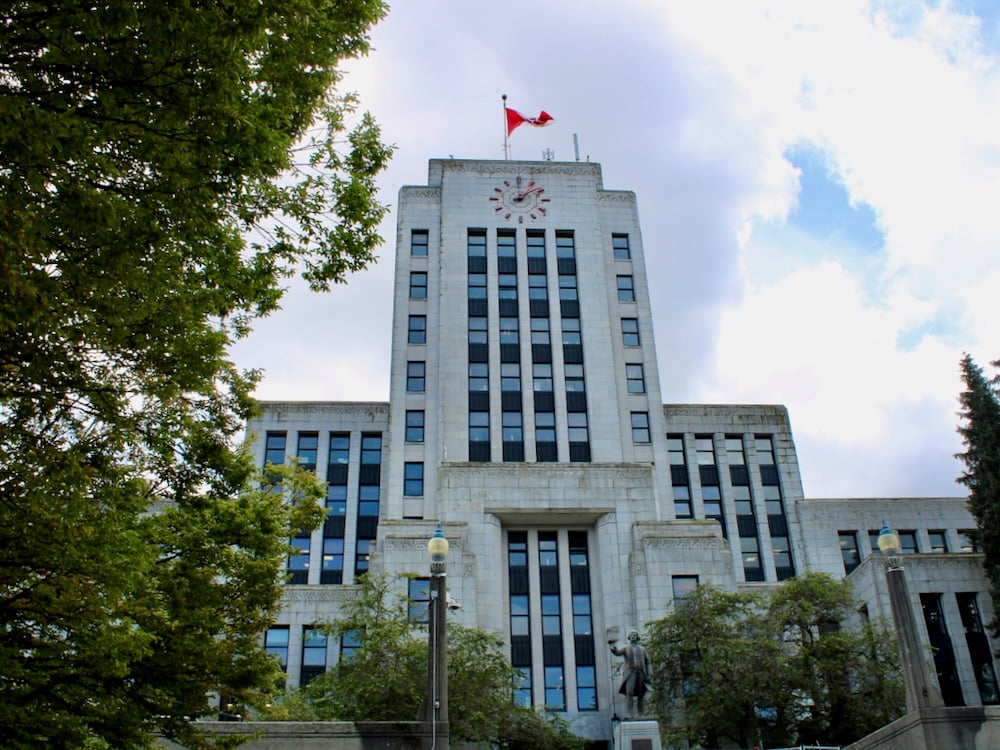
Vancouver City Council has reversed its decision to disband several advisory committees that serve as a platform for marginalized communities. This move comes after significant public outcry and concerns regarding the representation of diverse voices in municipal decision-making.
City staff had initially recommended the termination of these volunteer groups as part of a broader restructuring process aimed at streamlining operations. The advisory committees, which focus on issues such as accessibility, equity, and cultural diversity, were seen as essential for providing feedback and guidance on policies affecting vulnerable populations.
The decision to retain these committees was announced during a council meeting on October 10, 2023. Council members expressed the need for continued engagement with community representatives to ensure that the city’s policies reflect the needs and concerns of all its residents.
In a statement following the meeting, Mayor Ken Sim emphasized the importance of inclusivity in governance. He stated, “We must listen to the voices of those who are often underrepresented in our city’s conversations. The advisory committees play a crucial role in shaping a more equitable Vancouver.”
The initial proposal to dissolve the committees faced backlash from advocacy groups and concerned citizens. Many argued that eliminating these advisory bodies would undermine efforts to address systemic inequalities and silence the perspectives of individuals from marginalized backgrounds. Community organizations rallied to present their case, highlighting the valuable insights these committees provide in discussions about urban planning, social services, and community safety.
Among those affected were groups representing Indigenous peoples, people with disabilities, and low-income residents. The council’s decision to reverse course demonstrates a commitment to fostering a more inclusive environment where diverse voices are heard and considered in policy-making processes.
This situation reflects a growing recognition among municipal leaders of the necessity to engage with the community actively. As cities continue to evolve, the role of advisory committees in facilitating dialogue and providing expertise from various demographic segments will likely remain a critical component of local governance.
The council’s decision may also influence other cities grappling with similar challenges regarding community engagement and representation. As Vancouver moves forward, maintaining these advisory committees could serve as a model for other municipalities seeking to enhance their democratic processes and better serve their populations.
In conclusion, the Vancouver City Council’s reversal on the advisory committees highlights the importance of community involvement in local governance. As the city aims to create a more equitable environment, continued support for these volunteer groups will be essential in ensuring that all citizens have a voice in shaping their communities.













Morris Churches Unite for Annual Good Friday Walk With the Cross

Chloe Zhao’s ‘Buffy’ Reboot Cancelled: Sarah Michelle Gellar Speaks Out

Essential Ingredients for Life Found in Ryugu Asteroid Samples

Urgent Rescue: NSR Airlifts Injured Climber from Nanaimo

Riverside Heart Ball Achieves Record $815,000 for Mental Health

Cognizant Launches AI Factory to Enhance Enterprise AI Scalability

Samsung’s Galaxy Watch 9 to Feature Larger Battery Than Before

Toronto’s AIDS Memorial Faces Potential Redesign Amid Community Concerns

Bayern Munich Loses Luis Díaz Red Card Appeal Despite Referee’s Admission

Secwepemc First Nation Seeks Aboriginal Title Over Kamloops Area

Fatal Crash on Highway 11 Claims Three Lives, Major Closure Ongoing

Manitoba’s Burger Champion Shines Again Amid Dining Innovations

Canadian Curler E.J. Harnden Announces Retirement from Competition

Urgent Fire Erupts at Salvation Army on Christmas Evening

Scientists Unearth Ancient Antarctic Ice to Unlock Climate Secrets

Trump and McCormick to Announce $70 Billion Energy Investments

Minister Faces Scrutiny Over Delayed Foreign Interference Watchdog Appointment

Monika Hibbs Unveils Acres Market & Interiors in Major Rebrand
-
 Politics5 months ago
Secwepemc First Nation Seeks Aboriginal Title Over Kamloops Area
-
 Top Stories4 months ago
Fatal Crash on Highway 11 Claims Three Lives, Major Closure Ongoing
-
 Lifestyle7 months ago
Manitoba’s Burger Champion Shines Again Amid Dining Innovations
-
 Sports3 months ago
Canadian Curler E.J. Harnden Announces Retirement from Competition
-
 Top Stories3 months ago
Urgent Fire Erupts at Salvation Army on Christmas Evening
-
 World9 months ago
Scientists Unearth Ancient Antarctic Ice to Unlock Climate Secrets
-
 Entertainment9 months ago
Trump and McCormick to Announce $70 Billion Energy Investments
-
 World5 months ago
Minister Faces Scrutiny Over Delayed Foreign Interference Watchdog Appointment
-
 Lifestyle9 months ago
Monika Hibbs Unveils Acres Market & Interiors in Major Rebrand
-

 Science9 months ago
Four Astronauts Return to Earth After International Space Station Mission
-

 Lifestyle9 months ago
TransLink Launches Food Truck Program to Boost Revenue in Vancouver
-

 World1 month ago
Ranchman’s Cookhouse & Dancehall to Relocate by Early 2027