
Politics
Vancouver Councillor Proposes Ban on Right Turns at Red Lights

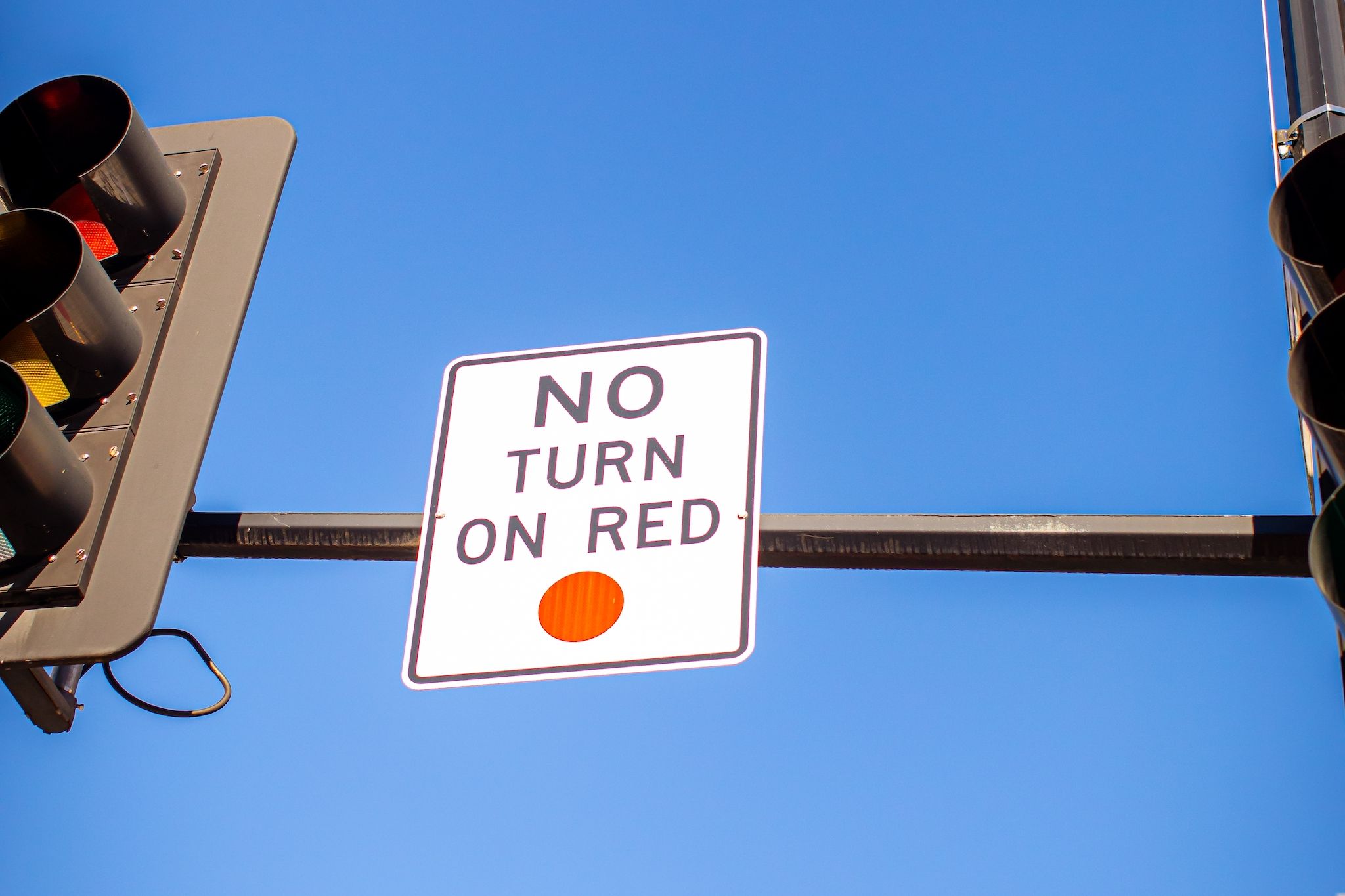
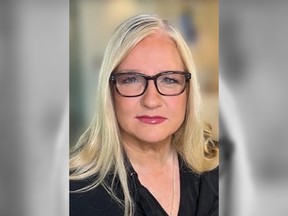
Vancouver City Councillor Lucy Maloney has introduced a member motion advocating for a ban on right turns at red traffic lights throughout the city. The proposal aims to enhance pedestrian and cyclist safety at intersections, addressing concerns over the potential hazards posed by vehicles making right turns while the light is red.
The motion calls for the City of Vancouver staff to assess city-wide measures that would prohibit right-turn-on-red movements at locations where they conflict with pedestrian safety initiatives or cycling infrastructure. Specifically, the ban would target intersections featuring or planned to include Leading Pedestrian Intervals (LPIs), areas where vehicles turning right cross bike lanes, and intersections with a documented history of pedestrian or cyclist injuries.
If adopted, this initiative could represent one of the most significant reforms to intersection safety in Vancouver in recent years. Maloney, a staunch advocate for cycling and road safety who was elected to council in the April 2025 by-election, cites research indicating that allowing right turns on red lights increases collision rates substantially.
City data reveals that conflicts involving right-turning vehicles are among the leading causes of pedestrian collisions, often occurring when pedestrians are legally crossing with a walk signal. A study conducted by the city in 2015 found that 13 percent of cyclist-driver collisions occurred during right-turn movements.
The provincial government has previously published literature supporting such prohibitions as an effective safety measure. Their March 2018 recommended safe roadway design guide states, “Where Right Turn On Red (RTOR) is permitted, drivers must look for pedestrians crossing from the left and right, for cyclists approaching from the rear, while simultaneously trying to find a gap in the vehicle and cyclist stream crossing the intersection from the left.” The guide argues that prohibiting RTOR simplifies the decision-making process for drivers, thereby reducing the risk of accidents.
Currently, in British Columbia, as well as in much of Canada and the United States, laws allowing right turns on red were implemented in the 1970s. In contrast, many European countries typically prohibit such maneuvers at red signals.
The City of Vancouver has been expanding its use of LPIs, which provide pedestrians a head start before vehicles receive a green light. These measures improve visibility and reinforce pedestrian right-of-way, but their effectiveness hinges on preventing right turns on red during the designated intervals.
Maloney’s proposal aligns with a growing trend of cities implementing similar restrictions. Cities such as Montreal, New York City, and Washington, D.C. have established citywide bans on right turns at red lights. A pilot project in Washington, D.C. in 2018 resulted in significant decreases in conflicts, reporting a 97 percent reduction in vehicle-to-vehicle conflicts and a 92 percent drop in failures to yield to pedestrians.
In addition to Maloney’s motion, fellow city councillor Sean Orr of the COPE party has proposed a separate initiative aimed at measuring vehicle speeds in areas where fatal accidents have occurred. Orr’s program would focus on the most recent fatal crashes, studying approximately 20 sites each year and collecting speed data for at least two days, ideally for an entire week, surrounding the anniversary of each incident. To initiate the program, Orr suggests utilizing provincial grant funding to cover equipment purchases or staff costs.
Both motions by Maloney and Orr are set to be reviewed by the Vancouver City Council next week, marking a critical moment for road safety measures in the city.









Morris Churches Unite for Annual Good Friday Walk With the Cross

Chloe Zhao’s ‘Buffy’ Reboot Cancelled: Sarah Michelle Gellar Speaks Out

Essential Ingredients for Life Found in Ryugu Asteroid Samples

Urgent Rescue: NSR Airlifts Injured Climber from Nanaimo

Riverside Heart Ball Achieves Record $815,000 for Mental Health

Cognizant Launches AI Factory to Enhance Enterprise AI Scalability

Samsung’s Galaxy Watch 9 to Feature Larger Battery Than Before

Toronto’s AIDS Memorial Faces Potential Redesign Amid Community Concerns

Bayern Munich Loses Luis Díaz Red Card Appeal Despite Referee’s Admission

Secwepemc First Nation Seeks Aboriginal Title Over Kamloops Area

Fatal Crash on Highway 11 Claims Three Lives, Major Closure Ongoing

Manitoba’s Burger Champion Shines Again Amid Dining Innovations

Canadian Curler E.J. Harnden Announces Retirement from Competition

Urgent Fire Erupts at Salvation Army on Christmas Evening

Scientists Unearth Ancient Antarctic Ice to Unlock Climate Secrets

Minister Faces Scrutiny Over Delayed Foreign Interference Watchdog Appointment

Trump and McCormick to Announce $70 Billion Energy Investments

Four Astronauts Return to Earth After International Space Station Mission
-
 Politics5 months ago
Secwepemc First Nation Seeks Aboriginal Title Over Kamloops Area
-
 Top Stories4 months ago
Fatal Crash on Highway 11 Claims Three Lives, Major Closure Ongoing
-
 Lifestyle7 months ago
Manitoba’s Burger Champion Shines Again Amid Dining Innovations
-
 Sports3 months ago
Canadian Curler E.J. Harnden Announces Retirement from Competition
-
 Top Stories3 months ago
Urgent Fire Erupts at Salvation Army on Christmas Evening
-
 World9 months ago
Scientists Unearth Ancient Antarctic Ice to Unlock Climate Secrets
-
 World5 months ago
Minister Faces Scrutiny Over Delayed Foreign Interference Watchdog Appointment
-
 Entertainment9 months ago
Trump and McCormick to Announce $70 Billion Energy Investments
-
 Science9 months ago
Four Astronauts Return to Earth After International Space Station Mission
-

 Lifestyle9 months ago
TransLink Launches Food Truck Program to Boost Revenue in Vancouver
-

 Lifestyle9 months ago
Monika Hibbs Unveils Acres Market & Interiors in Major Rebrand
-
 World1 month ago
Ranchman’s Cookhouse & Dancehall to Relocate by Early 2027