
Science
AI Accelerates Breakthrough Antibiotic Treatment for Bowel Disease

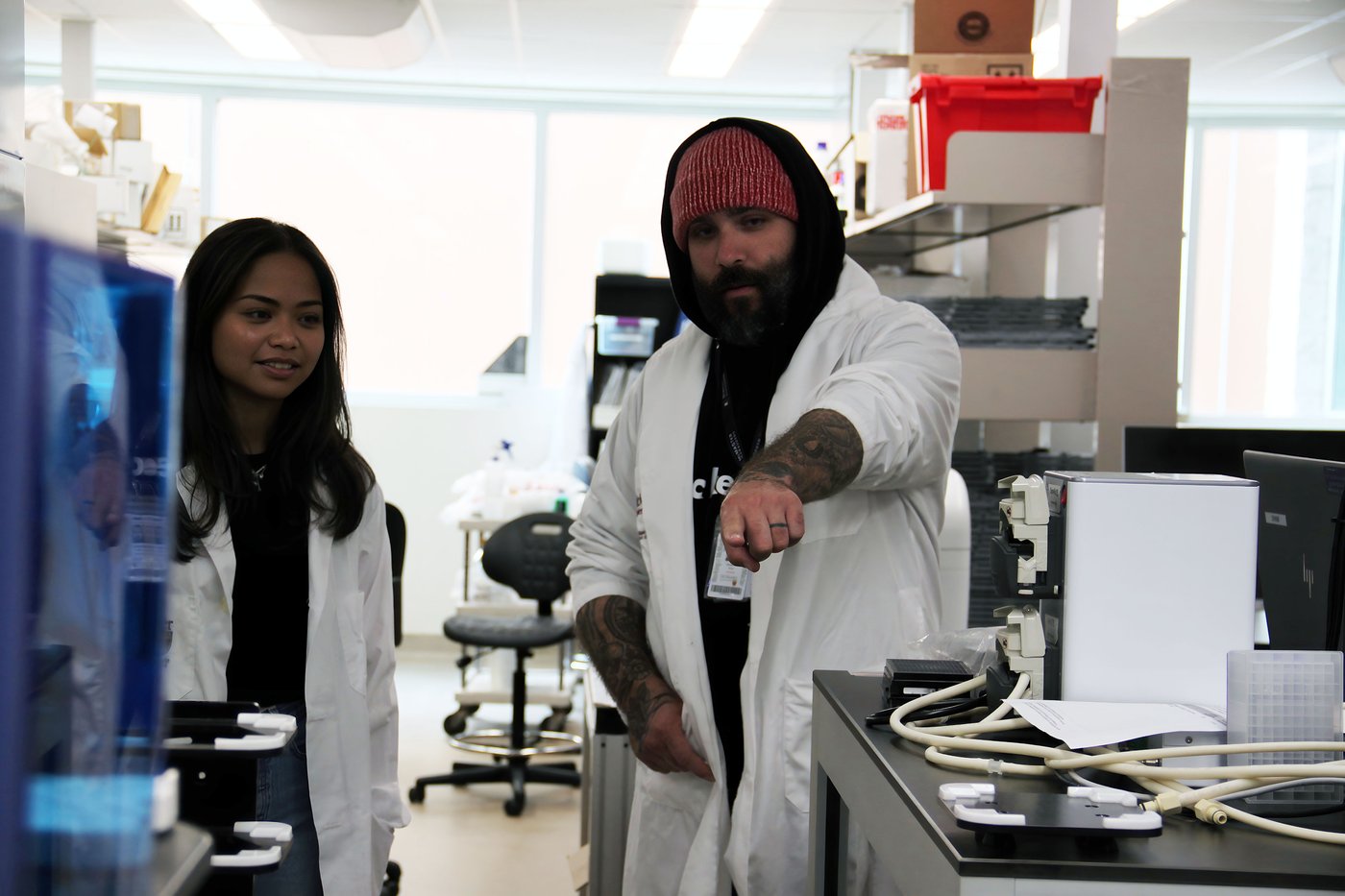
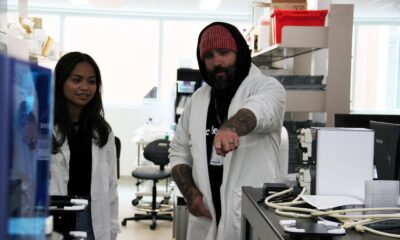
Researchers at McMaster University have utilized artificial intelligence (AI) to develop a promising new antibiotic treatment for Crohn’s disease and other forms of inflammatory bowel disease. Led by Jon Stokes, the team collaborated with partners at the Massachusetts Institute of Technology to isolate this potential treatment in a significantly reduced timeframe.
Traditionally, the development of new antibiotics is a lengthy and costly process, often taking several years and millions of dollars. Stokes noted that their lab completed the initial phases of this research within approximately six months, incurring a cost of about $60,000. This efficiency is largely attributed to the advanced sequencing capabilities provided by AI technology.
AI’s Role in Medical Research
Wyatt Tessari L’Allié, the founder of AI Governance and Safety Canada, highlighted the positive implications of AI in medical research, provided that the results are carefully validated. He emphasized the importance of ensuring that AI-generated findings are subject to human oversight, particularly in such critical fields as healthcare.
Despite the advantages presented by AI, Tessari L’Allié pointed out the lack of comprehensive legislation governing AI applications in healthcare across Canada. Currently, the regulation of medical uses of AI falls under the jurisdiction of Health Canada, which processes applications on a case-by-case basis. This regulatory landscape is essential for maintaining safety and efficacy in medical treatments.
Impact of Inflammatory Bowel Disease in Canada
Canada faces one of the highest rates of inflammatory bowel disease globally, with many individuals suffering from this chronic condition. As of now, there is no known cure, making the development of new treatments particularly urgent. The findings from Stokes’ research could potentially change the landscape for those affected by these debilitating diseases.
The initial report detailing this breakthrough was published by The Canadian Press on October 5, 2025, underscoring the significance of this achievement in the ongoing battle against inflammatory bowel disease. The collaboration between McMaster University and MIT exemplifies the potential of combining AI technology with medical research to expedite the discovery of new treatment options.
As advancements in AI continue, the medical field stands on the brink of transformative changes that could enhance patient care and lead to more effective treatments. The success of this antibiotic development process may pave the way for further innovations in combating various diseases.









Windsor Non-Profit Faces $3M Misconduct Claims Amid Lawsuit

New Wave of Female Fans Transforms Formula One’s Landscape

College of the Rockies Launches Gasfitter Class B Level 2 Program

Israel Awaits Final Remains of Hostage as Ceasefire Stalls

ByWard Market Unveils Ottawa’s Tallest Christmas Tree at 48 Feet

CFKR Honors Tony Bourke with 2025 Community Volunteer Award

Family of Four Faces Nearly $1,000 Food Price Increase in 2026

Kamloops Storm Dominates KIJHL Power Rankings with 10-0 Streak

Trump Hosts Congo, Rwanda Leaders for Urgent Peace Deal Signing

Secwepemc First Nation Seeks Aboriginal Title Over Kamloops Area

Scientists Unearth Ancient Antarctic Ice to Unlock Climate Secrets

Trump and McCormick to Announce $70 Billion Energy Investments

Four Astronauts Return to Earth After International Space Station Mission

TransLink Launches Food Truck Program to Boost Revenue in Vancouver

Apple Notes Enhances Functionality with Markdown Support in macOS 26

Manitoba’s Burger Champion Shines Again Amid Dining Innovations

Urgent Update: Fatal Crash on Highway 99 Claims Life of Pitt Meadows Man

Ukrainian Tennis Star Elina Svitolina Faces Death Threats Online
-
 Politics4 weeks ago
Secwepemc First Nation Seeks Aboriginal Title Over Kamloops Area
-
 World5 months ago
Scientists Unearth Ancient Antarctic Ice to Unlock Climate Secrets
-
 Entertainment5 months ago
Trump and McCormick to Announce $70 Billion Energy Investments
-
 Science5 months ago
Four Astronauts Return to Earth After International Space Station Mission
-
 Lifestyle5 months ago
TransLink Launches Food Truck Program to Boost Revenue in Vancouver
-
 Technology3 months ago
Apple Notes Enhances Functionality with Markdown Support in macOS 26
-
 Lifestyle3 months ago
Manitoba’s Burger Champion Shines Again Amid Dining Innovations
-
 Top Stories2 months ago
Urgent Update: Fatal Crash on Highway 99 Claims Life of Pitt Meadows Man
-
 Politics4 months ago
Ukrainian Tennis Star Elina Svitolina Faces Death Threats Online
-

 Sports5 months ago
Search Underway for Missing Hunter Amid Hokkaido Bear Emergency
-

 Politics5 months ago
Carney Engages First Nations Leaders at Development Law Summit
-

 Technology5 months ago
Frosthaven Launches Early Access on July 31, 2025