
Science
AI Distorts Athletic Body Ideals, Ignoring Diversity and Reality

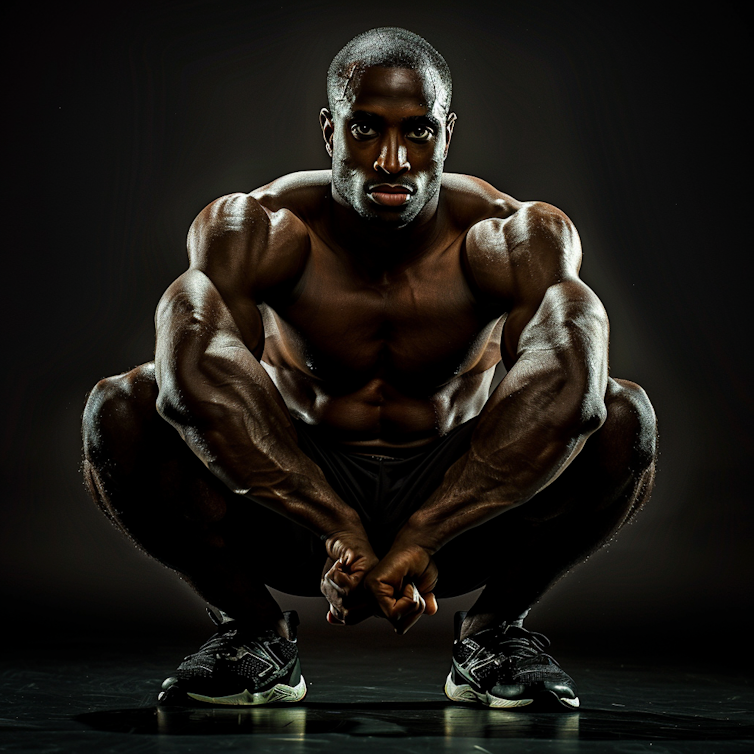
A recent study from the University of Toronto highlights how artificial intelligence (AI) perpetuates unrealistic body standards, particularly for athletes. Researchers analyzed AI-generated images of male and female athletes and non-athletes, revealing a concerning trend towards exaggerated and often unattainable body ideals.
As AI becomes increasingly prevalent in social media, understanding its impact on body image is critical. The study underscores that AI-generated content often reflects societal pressures that have long existed, placing emphasis on a narrow definition of what constitutes an “athletic body.” Athletes are frequently depicted as thin, muscular, and youthful, which can contribute to negative self-perception among viewers.
Findings on AI-Generated Images
The research involved generating 300 images using various AI platforms, including DALL-E, MidJourney, and Stable Diffusion. The analysis focused on demographics, body fat levels, muscularity, clothing types, and facial attractiveness. The results were revealing:
– **Male images**: 93.3 percent were young, 68.4 percent lean, and 54.2 percent muscular.
– **Female images**: 100 percent depicted youth, 87.5 percent were thin, and 87.5 percent wore revealing clothing.
– **Athlete images**: 98.4 percent were lean, 93.4 percent muscular, and 100 percent were dressed in tight and revealing exercise gear.
In contrast, images of non-athletes showcased a wider variety of body sizes and looser clothing. Alarmingly, only 10 percent of the images labeled as “athletes” featured female figures, and none depicted individuals with visible disabilities or variations in body types.
The Consequences of Distorted Body Ideals
The ramifications of these findings are significant. With more than 4.6 billion people using social media, and 71 percent of images generated by AI, the prevalence of these unrealistic portrayals can lead to self-objectification and a detrimental internalization of body standards. For some, this may result in unhealthy dieting practices or an aversion to physical activity, ultimately harming their mental health and athletic performance.
The study highlights a troubling reality: negative body image affects not just personal well-being but also academic and sports-related achievements. For instance, young athletes with poor body image may withdraw from sports altogether, exacerbating feelings of isolation and loneliness.
Moreover, the absence of visible disabilities in AI-generated images is particularly striking, especially considering that approximately 27 percent of Canadians over the age of 15 live with some form of disability. This exclusion reflects a broader issue within AI systems that often fails to represent diverse body types and conditions.
The findings call attention to the need for more inclusive and realistic representations in AI-generated content. As society continues to shape the visual data that trains these systems, it bears a responsibility to challenge existing biases, including ableism, racism, and fatphobia.
In light of these revelations, users of AI technology are encouraged to be mindful of how they frame their image prompts and to critically assess the outputs. As AI-generated images increasingly saturate our media landscape, it is essential to advocate for a representation of all body types.
If AI is to reflect reality rather than distort it, society must actively demand a broader definition of beauty that values diversity and inclusivity. Only through conscious effort can we hope to reshape the narrative surrounding body ideals for future generations.
The study was conducted by researchers including Catherine Sabiston, who received funding from the Canada Research Chairs program. Co-researchers Delaney Thibodeau and Sasha Gollish disclosed no relevant affiliations beyond their academic appointments.











Christmas Cheer Breakfast Breaks Record with $2,327 Donation

Daxon Rudolph Delivers Overtime Winner, Raiders Top Oil Kings 4-3

Poets Rally for Hope in Somalia Amid Ongoing Violence

Edmonton Parents Honor Children in Emotional Candlelight Ceremony

Hundreds of Stuffed Animals Tossed at Oil Kings Game for Charity

Urgent Rescue: Seriously Injured Biker Saved After 5.5-Hour Operation

Urgent: Mezuzahs Torn from Doors in North York Housing Complex

Vancouver Councillor Moves to End Use of X.com for Meeting Updates

Two Men Fined $7K for Illegal Moose Hunting in Ontario

Secwepemc First Nation Seeks Aboriginal Title Over Kamloops Area

Scientists Unearth Ancient Antarctic Ice to Unlock Climate Secrets

Trump and McCormick to Announce $70 Billion Energy Investments

Four Astronauts Return to Earth After International Space Station Mission

TransLink Launches Food Truck Program to Boost Revenue in Vancouver

Apple Notes Enhances Functionality with Markdown Support in macOS 26

Manitoba’s Burger Champion Shines Again Amid Dining Innovations

Urgent Update: Fatal Crash on Highway 99 Claims Life of Pitt Meadows Man

Homemade Houseboat ‘Neverlanding’ Captivates Lake Huron Voyagers
-
 Politics1 month ago
Secwepemc First Nation Seeks Aboriginal Title Over Kamloops Area
-
 World5 months ago
Scientists Unearth Ancient Antarctic Ice to Unlock Climate Secrets
-
 Entertainment5 months ago
Trump and McCormick to Announce $70 Billion Energy Investments
-
 Science5 months ago
Four Astronauts Return to Earth After International Space Station Mission
-
 Lifestyle5 months ago
TransLink Launches Food Truck Program to Boost Revenue in Vancouver
-
 Technology3 months ago
Apple Notes Enhances Functionality with Markdown Support in macOS 26
-
 Lifestyle3 months ago
Manitoba’s Burger Champion Shines Again Amid Dining Innovations
-
 Top Stories2 months ago
Urgent Update: Fatal Crash on Highway 99 Claims Life of Pitt Meadows Man
-
 Top Stories1 week ago
Homemade Houseboat ‘Neverlanding’ Captivates Lake Huron Voyagers
-

 Politics4 months ago
Ukrainian Tennis Star Elina Svitolina Faces Death Threats Online
-
 Sports5 months ago
Search Underway for Missing Hunter Amid Hokkaido Bear Emergency
-
 Politics5 months ago
Carney Engages First Nations Leaders at Development Law Summit