
Science
AI Shapes Unrealistic Body Ideals for Athletes, Study Finds

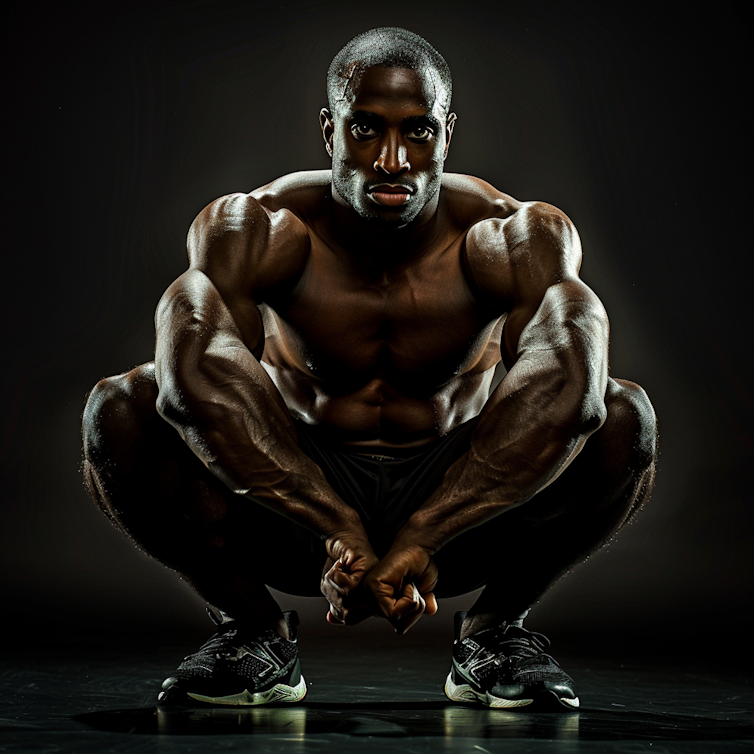
A recent study by researchers at the University of Toronto has revealed that artificial intelligence (AI) is reinforcing unrealistic body ideals, particularly for athletes. By analyzing AI-generated images of both male and female athletes and non-athletes, the study found that the portrayals often reflect exaggerated and unattainable physical standards.
The research highlights that even prior to the advent of AI, athletes faced immense pressure to conform to specific body types—typically lean, muscular, and conventionally attractive. Influences from coaches, spectators, and media have long shaped athletes’ perceptions of their bodies. Unfortunately, these pressures are linked to issues such as negative body image and poor mental health, which can further impair athletic performance.
Excessive Focus on Youth and Thinness
In a bid to explore how AI depicts athlete and non-athlete bodies, the researchers generated 300 images using popular AI platforms, including DALL-E, MidJourney, and Stable Diffusion. The findings revealed a clear bias in the representation of body types. For instance, the AI-generated male images predominantly depicted young individuals (93.3 percent), with a focus on leanness (68.4 percent) and muscularity (54.2 percent). Conversely, female images illustrated an even more stringent adherence to unrealistic ideals, with all (100 percent) showing youthfulness, 87.5 percent being thin, and 87.5 percent dressed in revealing clothing.
Interestingly, the study found that images of athletes were overwhelmingly depicted as lean (98.4 percent) and muscular (93.4 percent), with 100 percent wearing tight or revealing exercise gear. In stark contrast, non-athlete images displayed a broader diversity in body sizes and clothing styles. Notably, when simply requesting an image of “an athlete,” 90 percent of the generated images were male, and none depicted individuals with visible disabilities or a variety of body types.
The Consequences of Distorted Body Ideals
The implications of these findings are significant, particularly given that over 4.6 billion people use social media, where approximately 71 percent of images are AI-generated. This wide exposure can foster self-objectification and the internalization of unrealistic body standards. Consequently, individuals may feel pressured to diet or over-exercise, which can lead to decreased physical activity or even withdrawal from sports altogether.
For young people, negative body image is not just a personal issue; it can hinder academic performance and athletic participation. Maintaining an active lifestyle typically promotes a healthier body image, yet the cycle of negative self-perception creates barriers to engaging in physical activity.
The absence of visible disabilities in the AI-generated images is particularly concerning. Approximately 27 percent of Canadians over the age of 15 live with at least one disability, yet the study found no representation of this demographic. AI’s tendency to erase disabilities from generated images further perpetuates a narrow view of body ideals, reinforcing harmful stereotypes.
The research conducted at the University of Toronto illustrates how generative AI technologies can perpetuate societal biases. By reflecting the same prejudices that permeate online media, AI systems recycle and amplify harmful appearance ideals.
As creators of the content that trains these AI systems, society bears a responsibility to challenge these biases and advocate for a more inclusive depiction of body types. Users of generative AI must be intentional about the prompts they provide and critically assess the images they produce.
The study calls for greater awareness of the impact of AI-generated images on societal body standards. As these images continue to infiltrate our media landscape, it is crucial to advocate for representation that values all body types. Only through conscious efforts to diversify the portrayal of bodies can we hope to diminish the unrealistic standards that AI currently perpetuates.
Researcher Catherine Sabiston receives funding from the Canada Research Chairs program, while co-authors Delaney Thibodeau and Sasha Gollish have disclosed no relevant affiliations that would benefit from this article beyond their academic roles.










Edmonton Oilers Rediscover Identity with Recent Dominance in Games

Swiss National Bank to Maintain Zero Rates, Avoids Negative Step

Swiss National Bank Confirms Zero Rates Amid Inflation Concerns

Disney Faces Lawsuit Over Controversial Disability Policy Changes

Syrians Navigate Recovery One Year After Assad’s Fall

Trump and Putin Envoy Agree to Controversial Peace Plan for Ukraine

Rotary Club of LaSalle Centennial Raises $6,956 to Combat Polio

Brandon City Hall Welcomes Over 200 to Annual Christmas Open House

Agentic AI Revolutionizes Sustainability and Risk Management

Secwepemc First Nation Seeks Aboriginal Title Over Kamloops Area

Scientists Unearth Ancient Antarctic Ice to Unlock Climate Secrets

Trump and McCormick to Announce $70 Billion Energy Investments

Four Astronauts Return to Earth After International Space Station Mission

TransLink Launches Food Truck Program to Boost Revenue in Vancouver

Apple Notes Enhances Functionality with Markdown Support in macOS 26

Manitoba’s Burger Champion Shines Again Amid Dining Innovations

Urgent Update: Fatal Crash on Highway 99 Claims Life of Pitt Meadows Man

Homemade Houseboat ‘Neverlanding’ Captivates Lake Huron Voyagers
-
 Politics1 month ago
Secwepemc First Nation Seeks Aboriginal Title Over Kamloops Area
-
 World5 months ago
Scientists Unearth Ancient Antarctic Ice to Unlock Climate Secrets
-
 Entertainment5 months ago
Trump and McCormick to Announce $70 Billion Energy Investments
-
 Science5 months ago
Four Astronauts Return to Earth After International Space Station Mission
-
 Lifestyle5 months ago
TransLink Launches Food Truck Program to Boost Revenue in Vancouver
-
 Technology3 months ago
Apple Notes Enhances Functionality with Markdown Support in macOS 26
-
 Lifestyle3 months ago
Manitoba’s Burger Champion Shines Again Amid Dining Innovations
-
 Top Stories2 months ago
Urgent Update: Fatal Crash on Highway 99 Claims Life of Pitt Meadows Man
-
 Top Stories1 week ago
Homemade Houseboat ‘Neverlanding’ Captivates Lake Huron Voyagers
-

 Politics4 months ago
Ukrainian Tennis Star Elina Svitolina Faces Death Threats Online
-

 Sports5 months ago
Search Underway for Missing Hunter Amid Hokkaido Bear Emergency
-

 Politics5 months ago
Carney Engages First Nations Leaders at Development Law Summit