
Science
Autonomous Vehicles Show Significant Safety Improvements in New Study

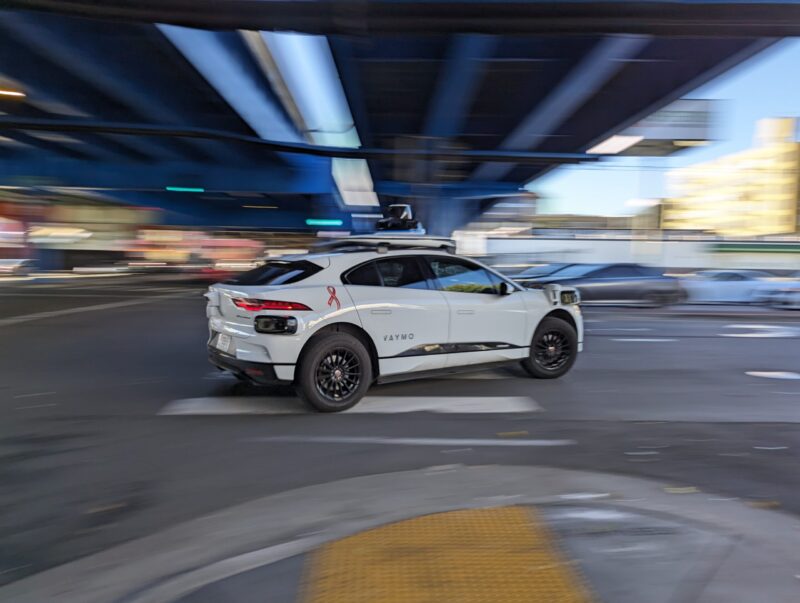
Research from the Omega Law Group highlights promising safety advancements in autonomous vehicles (AVs). The analysis indicates that these self-driving vehicles have demonstrated a remarkable reduction in potential accidents compared to traditional human-driven cars. Over a span of 25.3 million miles logged in urban settings such as Phoenix, San Francisco, Los Angeles, and Austin, AVs showed an 88% decrease in property-damage claims and a 92% decrease in bodily-injury claims.
The data, gathered in collaboration with Swiss Re, indicates that in the extensive dataset, only nine property-damage claims and two bodily-injury claims were reported. This starkly contrasts with the expected claims for human drivers, which would typically be around 78 and 26, respectively. The human benchmark was established using data from over 500,000 claims and more than 200 billion miles of driving exposure.
The findings suggest that AVs are not only safer than traditional vehicles but also outperform those equipped with advanced driver assistance systems (ADAS). Specifically, the study revealed that AVs had 86% fewer property-damage claims and 90% fewer bodily-injury claims when compared to the latest models of human-driven vehicles with such technologies.
Key Findings and Implications for Policy
Additionally, a peer-reviewed study analyzing 56.7 million Rider-Only (RO) miles through January 2025 confirmed significant reductions in various crash types when compared to human-operated vehicles. Injury-involving intersection crashes (vehicle-to-vehicle) saw a staggering 96% reduction, while airbag deployments in these incidents dropped by 91%. The study also reported improvements in outcomes for vulnerable road users, with pedestrian injuries declining by approximately 92%, cyclist injuries by 82%, and motorcyclist injuries by 82%.
Despite these encouraging numbers, the rollout of autonomous vehicles remains limited. The National Highway Traffic Safety Administration (NHTSA) has set a cap of 2,500 vehicles per year under the Part 555 exemption rule, which reflects a cautious regulatory approach. Furthermore, a new requirement mandates a five-day incident reporting process, emphasizing the need for transparency and accountability as the technology expands.
Public trust in AV technology is still in its infancy, with only about 13% of U.S. drivers indicating a willingness to use self-driving vehicles by 2025. This hesitance underscores a significant challenge for manufacturers and policymakers alike as they strive to foster consumer confidence in this emerging technology.
The Road Ahead for Autonomous Vehicles
While the data provides a promising outlook for the safety of autonomous vehicles, experts caution that the findings are based on an early-stage dataset. The geographical scope and overall mileage logged by AVs are still limited compared to the trillions of miles driven by human operators each year.
As the industry continues to evolve, the insights gleaned from this research will be crucial for shaping future policies and regulations. The advancements in safety metrics not only demonstrate the potential of autonomous vehicles but also highlight the need for ongoing research and monitoring to ensure that these technologies can be safely integrated into everyday transportation systems.
In summary, while the path to widespread adoption of autonomous vehicles is fraught with challenges, the emerging data suggests that these vehicles could offer substantial safety benefits, paving the way for a new era in transportation.













New Brunswick Launches Urgent Review of Official Languages Act

Halifax Mayor Andy Fillmore Cleared of Code of Conduct Breach

Quinte West OPP Hosts Food Drive in Trenton This Saturday

Iceland Tops Global Rankings for Healthiest Countries to Raise Kids

Autonomous Vehicles Show Significant Safety Improvements in New Study

U.S. Suicide Rate Declines Slightly in 2024, Preliminary Data Shows

Imagine Lithium Expands Land Holdings by 45% at Jackpot Project

Samsung Unveils Galaxy Z TriFold with Second Monitor Feature

Sussex Community Proposes Sleep Pods to Support Unhoused Residents

Secwepemc First Nation Seeks Aboriginal Title Over Kamloops Area

Scientists Unearth Ancient Antarctic Ice to Unlock Climate Secrets

Trump and McCormick to Announce $70 Billion Energy Investments

TransLink Launches Food Truck Program to Boost Revenue in Vancouver

Four Astronauts Return to Earth After International Space Station Mission

Manitoba’s Burger Champion Shines Again Amid Dining Innovations

Apple Notes Enhances Functionality with Markdown Support in macOS 26

Urgent Update: Fatal Crash on Highway 99 Claims Life of Pitt Meadows Man

Homemade Houseboat ‘Neverlanding’ Captivates Lake Huron Voyagers
-
 Politics1 month ago
Secwepemc First Nation Seeks Aboriginal Title Over Kamloops Area
-
 World5 months ago
Scientists Unearth Ancient Antarctic Ice to Unlock Climate Secrets
-
 Entertainment5 months ago
Trump and McCormick to Announce $70 Billion Energy Investments
-
 Lifestyle5 months ago
TransLink Launches Food Truck Program to Boost Revenue in Vancouver
-
 Science5 months ago
Four Astronauts Return to Earth After International Space Station Mission
-
 Lifestyle3 months ago
Manitoba’s Burger Champion Shines Again Amid Dining Innovations
-
 Technology3 months ago
Apple Notes Enhances Functionality with Markdown Support in macOS 26
-
 Top Stories2 months ago
Urgent Update: Fatal Crash on Highway 99 Claims Life of Pitt Meadows Man
-
 Top Stories2 weeks ago
Homemade Houseboat ‘Neverlanding’ Captivates Lake Huron Voyagers
-

 Politics4 months ago
Ukrainian Tennis Star Elina Svitolina Faces Death Threats Online
-

 Sports5 months ago
Search Underway for Missing Hunter Amid Hokkaido Bear Emergency
-

 Politics5 months ago
Carney Engages First Nations Leaders at Development Law Summit