
Science
Berlin Film Festival Grapples with AI’s Transformative Impact

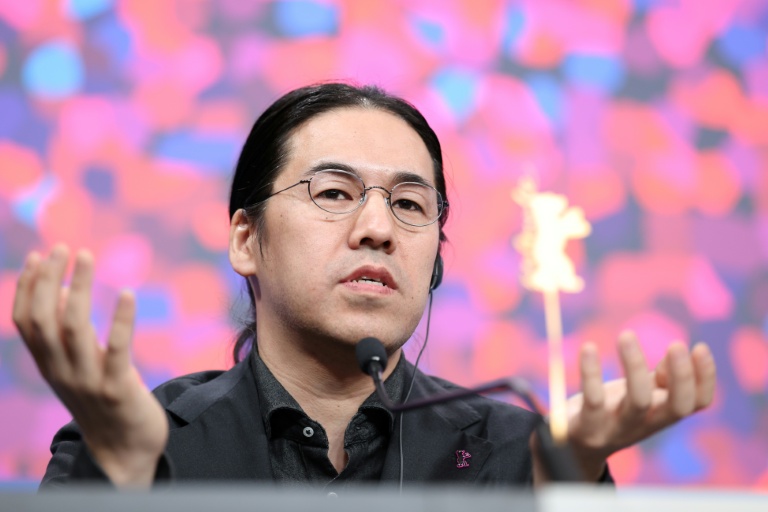
The Berlin Film Festival, held annually in Germany, is confronting the looming presence of artificial intelligence (AI) in the film industry, although its impact was not overtly visible during this year’s event. While festival leadership has chosen to remain neutral on the topic, they acknowledged the importance of AI developments, stating, “At present, we do not intend to issue any statements regarding the use of AI in the film industry,” but added that they are “monitoring developments with great interest.”
Despite the festival’s restrained stance, some filmmakers engaged in discussions about AI’s potential to reshape the industry. Yoshitoshi Shinomiya, director of the animated feature A New Dawn, revealed that he briefly considered employing AI for background work during production. He ultimately deemed AI “not well-developed enough” for such tasks.
Another industry representative, Juliette Prissard from Eurocinema, highlighted the inevitable progress of AI tools. She predicted that within a few years, it may become indistinguishable from human-created content. Prissard noted, “It’s reasonable to think that in one, two or three years… you won’t be able to tell the difference anymore.” AI technology is already capable of scripting, replacing extras in crowd scenes, and creating digital replicas of individuals.
Concerns are mounting in France, particularly among voice actors who worry about the implications of AI on their profession. Prissard warned that various roles in the film industry, including technicians and set designers, could be at risk. She mentioned that “junior jobs are disappearing: all the assistant editors, assistant screenwriters,” as the industry increasingly embraces AI. Irgacheva emphasized that the sector is adopting these technologies out of necessity, as they can enhance efficiency and streamline production processes.
A survey conducted by France’s National Centre for Cinema (CNC) revealed that 90 percent of film and audiovisual professionals are already utilizing AI tools in their work. Austrian director Georg Tiller showcased a short film combining filmed footage with AI-generated visuals, encouraging fellow filmmakers to adapt to what he termed the new “digital cinema.” Tiller expressed concern about the future, stating, “If we don’t then I fear that we will die a slow death, because it will just steamroll over us.”
The film industry is also grappling with legal challenges posed by AI’s integration. A December agreement between OpenAI and Disney permitted the use of Disney characters on Sora, an AI-generated video platform. This partnership allows Disney privileged access to OpenAI’s advanced tools, potentially providing it with a competitive advantage. However, the rise of AI raises complex legal questions regarding intellectual property and authorship, as regulations struggle to keep pace with technological advancements.
Under current EU regulations, streaming platforms like Netflix and Amazon Prime are required to include at least 30 percent European content in their offerings. Prissard raised concerns about how enforcers will distinguish between original and AI-generated work, suggesting that Europe may be tempted to relax regulations to foster innovation in AI technologies.
As the Berlin Film Festival continues, the dialogue surrounding AI’s implications for the film industry remains urgent, highlighting the need for careful consideration as the sector navigates this transformative landscape. With technology evolving rapidly, the balance between embracing innovation and protecting traditional roles in filmmaking is critical for future filmmakers and industry stakeholders alike.













Morris Churches Unite for Annual Good Friday Walk With the Cross

Chloe Zhao’s ‘Buffy’ Reboot Cancelled: Sarah Michelle Gellar Speaks Out

Essential Ingredients for Life Found in Ryugu Asteroid Samples

Urgent Rescue: NSR Airlifts Injured Climber from Nanaimo

Riverside Heart Ball Achieves Record $815,000 for Mental Health

Cognizant Launches AI Factory to Enhance Enterprise AI Scalability

Samsung’s Galaxy Watch 9 to Feature Larger Battery Than Before

Toronto’s AIDS Memorial Faces Potential Redesign Amid Community Concerns

Bayern Munich Loses Luis Díaz Red Card Appeal Despite Referee’s Admission

Secwepemc First Nation Seeks Aboriginal Title Over Kamloops Area

Fatal Crash on Highway 11 Claims Three Lives, Major Closure Ongoing

Manitoba’s Burger Champion Shines Again Amid Dining Innovations

Canadian Curler E.J. Harnden Announces Retirement from Competition

Urgent Fire Erupts at Salvation Army on Christmas Evening

Scientists Unearth Ancient Antarctic Ice to Unlock Climate Secrets

Trump and McCormick to Announce $70 Billion Energy Investments

Minister Faces Scrutiny Over Delayed Foreign Interference Watchdog Appointment

Four Astronauts Return to Earth After International Space Station Mission
-
 Politics5 months ago
Secwepemc First Nation Seeks Aboriginal Title Over Kamloops Area
-
 Top Stories4 months ago
Fatal Crash on Highway 11 Claims Three Lives, Major Closure Ongoing
-
 Lifestyle7 months ago
Manitoba’s Burger Champion Shines Again Amid Dining Innovations
-
 Sports3 months ago
Canadian Curler E.J. Harnden Announces Retirement from Competition
-
 Top Stories3 months ago
Urgent Fire Erupts at Salvation Army on Christmas Evening
-
 World9 months ago
Scientists Unearth Ancient Antarctic Ice to Unlock Climate Secrets
-
 Entertainment9 months ago
Trump and McCormick to Announce $70 Billion Energy Investments
-
 World5 months ago
Minister Faces Scrutiny Over Delayed Foreign Interference Watchdog Appointment
-
 Science9 months ago
Four Astronauts Return to Earth After International Space Station Mission
-

 Lifestyle9 months ago
Monika Hibbs Unveils Acres Market & Interiors in Major Rebrand
-

 Lifestyle9 months ago
TransLink Launches Food Truck Program to Boost Revenue in Vancouver
-

 World1 month ago
Ranchman’s Cookhouse & Dancehall to Relocate by Early 2027