
Science
Fungi Flourish on Carrot Waste: A Solution for Global Hunger

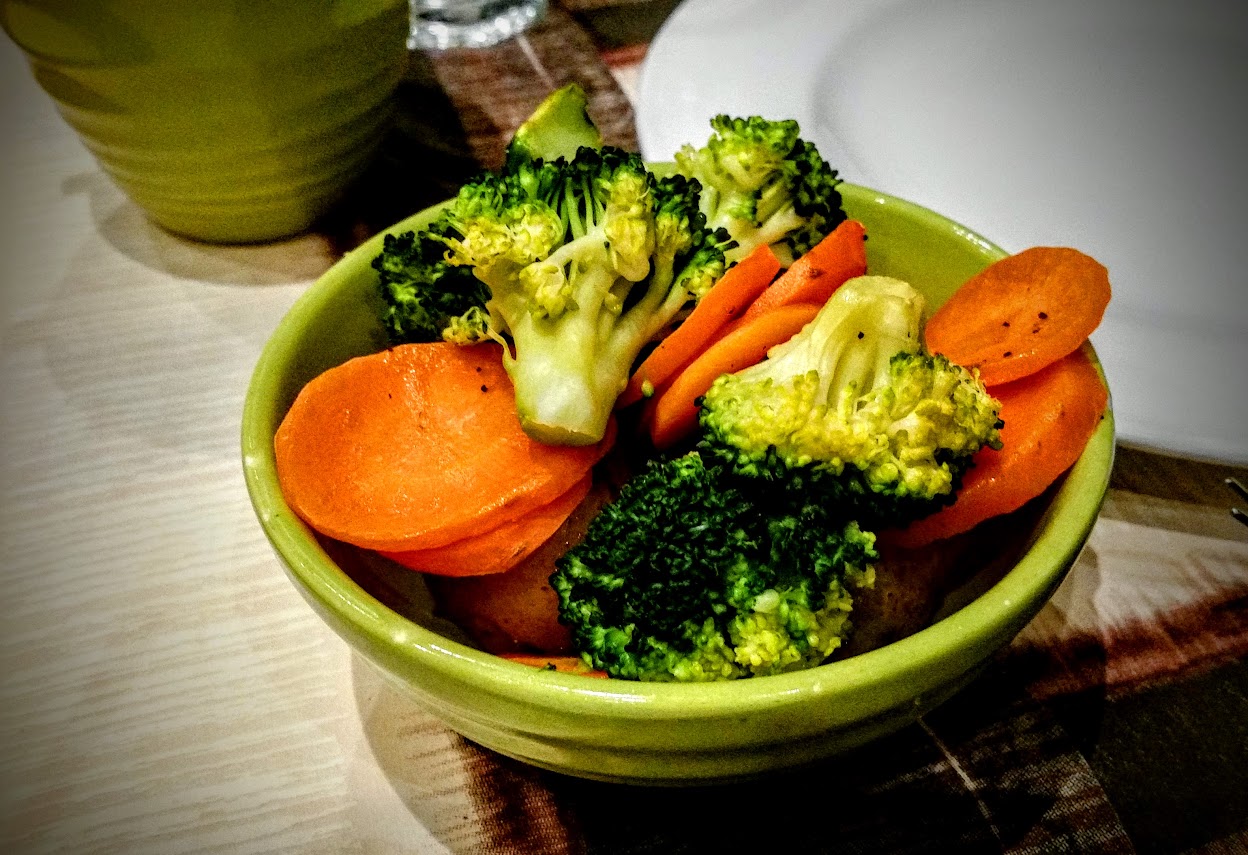
The quest for sustainable protein sources has taken an innovative turn, as researchers discover that fungi can thrive on carrot processing waste. In 2023, the United Nations reported that approximately one in 11 people globally faced hunger, with over three billion unable to afford a nutritious diet. This alarming statistic underscores the pressing need for food systems that maximize nutrition while minimizing resource use.
One promising solution lies in the use of fungi, which are rich in essential amino acids, lipids, vitamins, minerals, and dietary fibers. These qualities make fungal biomass a viable alternative protein source. Researchers have focused their efforts on harnessing food industry byproducts, such as apple pomace and whey from juice and cheese production. Recently, a breakthrough has emerged from the utilization of carrot waste.
Transforming Carrot Waste into Nutritious Protein
By cultivating edible fungi on carrot side streams, scientists have successfully produced mycelium that can replace traditional plant-based proteins in various food products, including vegan patties and sausages. A study evaluated 106 different fungal strains grown on waste from orange and black carrots, which are typically used in natural color production. Each strain was assessed for growth performance and protein yield, leading to the identification of a standout candidate: Pleurotus djamor, commonly known as the pink oyster mushroom.
This species is already widely cultivated and is adaptable for numerous cooking methods such as sautéing, boiling, roasting, or frying. The study’s researchers then optimized growth conditions for P. djamor to enhance protein output. The resulting mycelium exhibited biological values comparable to animal and plant proteins, indicating its effective utilization by the human body. Furthermore, these mycelia were low in fat and contained fiber levels similar to other edible fungi.
Consumer Preferences Favor Fungal Protein
In a sensory evaluation, volunteers sampled patties containing varying proportions of fungal protein, ranging from 0% to 100%. The findings revealed a surprising preference for patties made entirely with the fungal protein over those made with soy or chickpeas. Participants assessed texture, flavor, and aroma, with the all-fungal versions emerging as the clear favorites.
“This study is a significant step towards a circular economy by transforming valuable food side streams into a high-quality protein source,” stated Martin Gand, lead research scientist on the project. He emphasized the potential of fungal mycelium in tackling global food security and sustainability challenges.
The research has been published in the Journal of Agricultural and Food Chemistry under the title “Pleurotus djamor Mycelium: Sustainable Production of a Promising Protein Source from Carrot Side Streams.” This work highlights an exciting opportunity to repurpose food waste while addressing the growing demand for sustainable protein alternatives.
As the world grapples with food insecurity, innovations such as these could pave the way for more resilient and sustainable food systems. The integration of fungal proteins into diets may not only contribute to improved nutrition but also foster a more sustainable approach to food production.













Morris Churches Unite for Annual Good Friday Walk With the Cross

Chloe Zhao’s ‘Buffy’ Reboot Cancelled: Sarah Michelle Gellar Speaks Out

Essential Ingredients for Life Found in Ryugu Asteroid Samples

Urgent Rescue: NSR Airlifts Injured Climber from Nanaimo

Riverside Heart Ball Achieves Record $815,000 for Mental Health

Cognizant Launches AI Factory to Enhance Enterprise AI Scalability

Samsung’s Galaxy Watch 9 to Feature Larger Battery Than Before

Toronto’s AIDS Memorial Faces Potential Redesign Amid Community Concerns

Bayern Munich Loses Luis Díaz Red Card Appeal Despite Referee’s Admission

Secwepemc First Nation Seeks Aboriginal Title Over Kamloops Area

Fatal Crash on Highway 11 Claims Three Lives, Major Closure Ongoing

Manitoba’s Burger Champion Shines Again Amid Dining Innovations

Canadian Curler E.J. Harnden Announces Retirement from Competition

Urgent Fire Erupts at Salvation Army on Christmas Evening

Scientists Unearth Ancient Antarctic Ice to Unlock Climate Secrets

Minister Faces Scrutiny Over Delayed Foreign Interference Watchdog Appointment

Trump and McCormick to Announce $70 Billion Energy Investments

Four Astronauts Return to Earth After International Space Station Mission
-
 Politics5 months ago
Secwepemc First Nation Seeks Aboriginal Title Over Kamloops Area
-
 Top Stories4 months ago
Fatal Crash on Highway 11 Claims Three Lives, Major Closure Ongoing
-
 Lifestyle7 months ago
Manitoba’s Burger Champion Shines Again Amid Dining Innovations
-
 Sports3 months ago
Canadian Curler E.J. Harnden Announces Retirement from Competition
-
 Top Stories3 months ago
Urgent Fire Erupts at Salvation Army on Christmas Evening
-
 World9 months ago
Scientists Unearth Ancient Antarctic Ice to Unlock Climate Secrets
-
 World5 months ago
Minister Faces Scrutiny Over Delayed Foreign Interference Watchdog Appointment
-
 Entertainment9 months ago
Trump and McCormick to Announce $70 Billion Energy Investments
-
 Science9 months ago
Four Astronauts Return to Earth After International Space Station Mission
-

 Lifestyle9 months ago
TransLink Launches Food Truck Program to Boost Revenue in Vancouver
-

 Lifestyle9 months ago
Monika Hibbs Unveils Acres Market & Interiors in Major Rebrand
-

 World1 month ago
Ranchman’s Cookhouse & Dancehall to Relocate by Early 2027