
Science
Grengine Chosen for NATO’s Accelerator to Enhance Energy Security

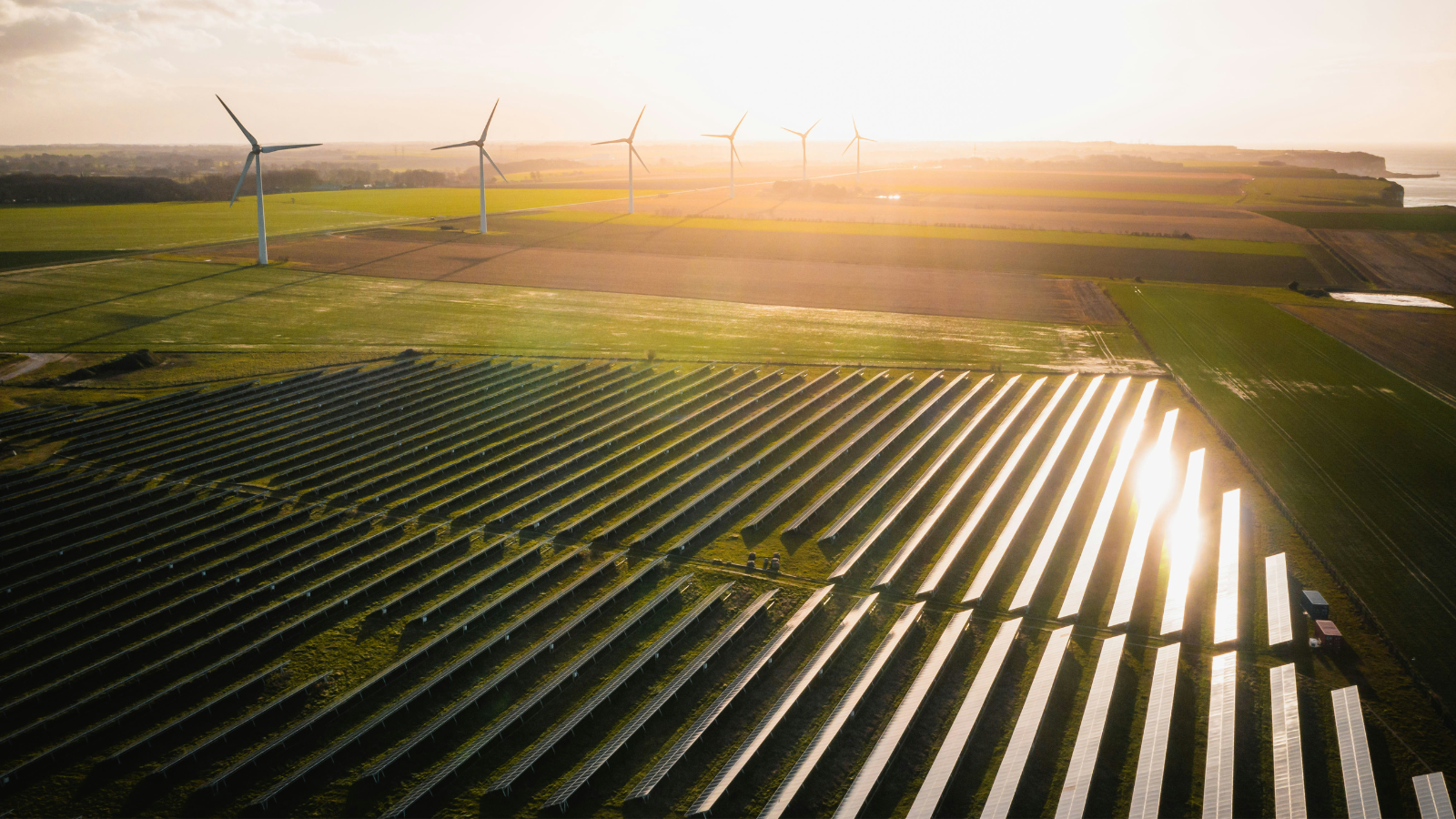
Edmonton-based clean energy company Grengine has been selected for NATO’s Defence Innovation Accelerator for the North Atlantic (DIANA) 2026 Challenge Programme. This initiative marks a significant recognition for Canada’s innovation economy as Grengine joins an elite cohort of 150 innovators across ten challenge areas, including Energy and Power.
The DIANA accelerator aims to connect deep-tech ventures like Grengine with military end-users, mentors, and investors to expedite solutions for complex defence and security challenges. For Grengine, this opportunity allows the company to showcase how Canadian technology can address pressing global issues, particularly in creating energy systems that are both secure and sustainable.
Connie Stacey, founder and CEO of Grengine, expressed her enthusiasm about the selection, stating, “Being selected for DIANA — the world’s most competitive deep-tech accelerator — is an incredible honour. This recognition from NATO validates the strategic importance of cyber-secure, resilient energy systems and affirms the global relevance of what we’re building at Grengine.” She emphasized that this achievement serves as a mandate to help power and protect essential systems.
The announcement follows a substantial $6.7 million federal investment aimed at boosting business growth in Edmonton through PrairiesCan’s Business Scale-up and Productivity program. Grengine’s participation in DIANA marks a significant step in the company’s journey towards addressing energy innovation and security imperatives.
Funding and Global Opportunities
Beginning in January 2026, Grengine will receive contractual funding and access to DIANA’s extensive network of accelerator sites and over 200 test centres located across NATO nations. Each company in the cohort will receive initial grant funding to advance solutions applicable to both defence and civilian markets. Grengine plans to utilize this opportunity to further develop its modular, plug-and-play battery energy storage systems. This technology, manufactured in Alberta, is designed to replace diesel generation, support renewable integration, and provide reliable green power in various settings.
Interim Managing Director of NATO DIANA, James Appathurai, highlighted the accelerator’s mission to transition innovation into actionable outcomes. “DIANA’s mission is to find the most innovative companies, help them advance their solutions and grow their business, and get the technologies we need into the hands of NATO operators,” he noted. This initiative aims to accelerate breakthrough technologies that will transform how the alliance defends against both current and emerging threats.
Grengine’s alignment with DIANA’s Energy and Power challenge area underscores the growing connection between clean energy innovation and global resilience. The systems developed to ensure community stability after storms or grid failures can also support defence operations in challenging environments threatened by cyber attacks.
Transforming Energy Access and National Security
Formerly known as Growing Greener Innovations, Grengine has framed energy access as both a social and technical issue. Its mission to eliminate energy poverty aligns with NATO’s objective to enhance resilience among member nations. Participation in DIANA opens pathways for testing and validation across Europe and North America, complemented by mentorship from military and commercial experts.
This partnership signifies a new approach in which NATO engages civilian innovators to tackle defence-related challenges. It presents fresh opportunities for Canadian clean-tech firms that operate at the intersection of energy, cybersecurity, and infrastructure.
Grengine’s selection for DIANA reflects a significant shift in the perception of clean-energy technologies. They are increasingly regarded as vital components of national security strategy. By integrating a Canadian company into NATO’s largest deep-tech accelerator cohort, the organization highlights the importance of collaboration between civilian and defence sectors in building resilience.
The challenge ahead is to ensure that innovations do not merely achieve validation but scale into systems that nations rely upon for security and operational efficiency. As energy resilience becomes a priority, the blurring lines between clean technology and defence underscore Canada’s commitment to global competitiveness and innovative solutions in emerging collaborative frameworks.











Eleven Puppies Rescued from Freezing Conditions in Regina

Nova Scotia Premier Faces Backlash Over Cannabis Dispensary Enforcement

Grengine Joins NATO’s Accelerator to Transform Energy Security

Stimulant Prescriptions for ADHD Surge 157% in Ontario Since 2015

BC Hydro Warns Public of Dangers Amid Surge in Copper Thefts

Disney Invests $1 Billion in OpenAI to Enhance AI Video Tool

Collision Clinic Gives Free Car to Family in Need for Holidays

Community Theatres Offer Variety of Show Tickets for Gifting

Grengine Chosen for NATO’s Accelerator to Enhance Energy Security

Secwepemc First Nation Seeks Aboriginal Title Over Kamloops Area

Scientists Unearth Ancient Antarctic Ice to Unlock Climate Secrets

Trump and McCormick to Announce $70 Billion Energy Investments

TransLink Launches Food Truck Program to Boost Revenue in Vancouver

Four Astronauts Return to Earth After International Space Station Mission

Manitoba’s Burger Champion Shines Again Amid Dining Innovations

Apple Notes Enhances Functionality with Markdown Support in macOS 26

Urgent Update: Fatal Crash on Highway 99 Claims Life of Pitt Meadows Man

Homemade Houseboat ‘Neverlanding’ Captivates Lake Huron Voyagers
-
 Politics1 month ago
Secwepemc First Nation Seeks Aboriginal Title Over Kamloops Area
-
 World5 months ago
Scientists Unearth Ancient Antarctic Ice to Unlock Climate Secrets
-
 Entertainment5 months ago
Trump and McCormick to Announce $70 Billion Energy Investments
-
 Lifestyle5 months ago
TransLink Launches Food Truck Program to Boost Revenue in Vancouver
-
 Science5 months ago
Four Astronauts Return to Earth After International Space Station Mission
-
 Lifestyle3 months ago
Manitoba’s Burger Champion Shines Again Amid Dining Innovations
-
 Technology3 months ago
Apple Notes Enhances Functionality with Markdown Support in macOS 26
-
 Top Stories2 months ago
Urgent Update: Fatal Crash on Highway 99 Claims Life of Pitt Meadows Man
-
 Top Stories2 weeks ago
Homemade Houseboat ‘Neverlanding’ Captivates Lake Huron Voyagers
-

 Politics4 months ago
Ukrainian Tennis Star Elina Svitolina Faces Death Threats Online
-
 Sports5 months ago
Search Underway for Missing Hunter Amid Hokkaido Bear Emergency
-

 Politics5 months ago
Carney Engages First Nations Leaders at Development Law Summit